







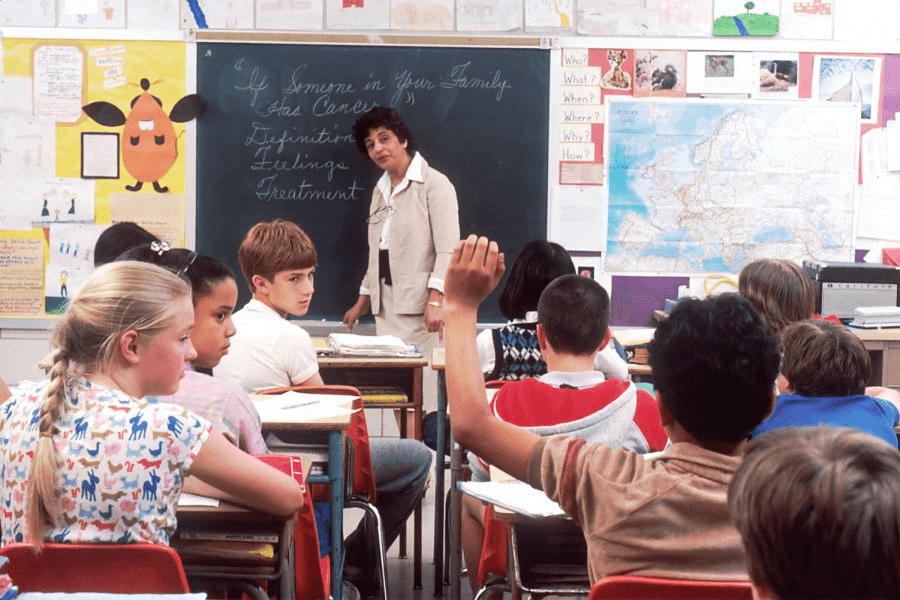

In a world that rewards curiosity over compliance and innovation over imitation, isn’t it time we reimagined what a classroom should look like? As parents, we’re not just looking for schools that teach our children to memorize answers, we want them to understand, question, and apply what they learn in meaningful ways.
Considering the need for the freedom to explore ideas, JM International School, one of the best schools in Delhi, provides students with the space to make mistakes and connect knowledge to the real world. And that can only happen when the classroom shifts its focus from rigid instruction to student-driven discovery, when children are encouraged to think independently, create without fear, and reflect on their learning journey.
In this article, we’ll explore how the future isn’t built by students who follow a script instead, it’s shaped by those who learn to write their own - and how schools like JM International School help learners move beyond the classroom walls - connecting lessons to life, and school to the real world.
Also Read | Where Children Learn to Lead and Listen | Panchayat at JMIS
Beyond Rote: Learning That Sticks
Have you ever watched your child memorize pages of textbook content, only to forget everything the moment exams are over? This is one of the biggest frustrations parents experience - children who study hard but don’t truly understand what they’re learning. The reason often lies in how they’re being taught.
Today’s evolving education system recognizes that rote learning is not enough. Real learning must be deep, personal, and connected to the world around them. When a child understands the "why" behind a concept, it becomes a part of their thinking, not just something to be recalled for a test.
Here's how that shift looks in a classroom:
- From Answers to Exploration: Instead of rewarding just the right answer, classrooms now focus on the thinking process behind it. Children are encouraged to question, hypothesize, and reason.
- Discussion-Based Learning: Group work, Socratic questioning, and peer discussions train children to listen, think critically, and articulate their ideas clearly.
- Long-Term Retention: A study in Nature Human Behaviour suggests that inquiry-based learning enhances long-term retention by up to 25% compared to traditional rote methods.
This approach makes learning stick with the child, not just stay in their notebooks. It shapes how they view the world, solve problems, and build on ideas, which, as any parent knows, is far more important than simply topping the class.
Real-World Ready: Learning by Doing
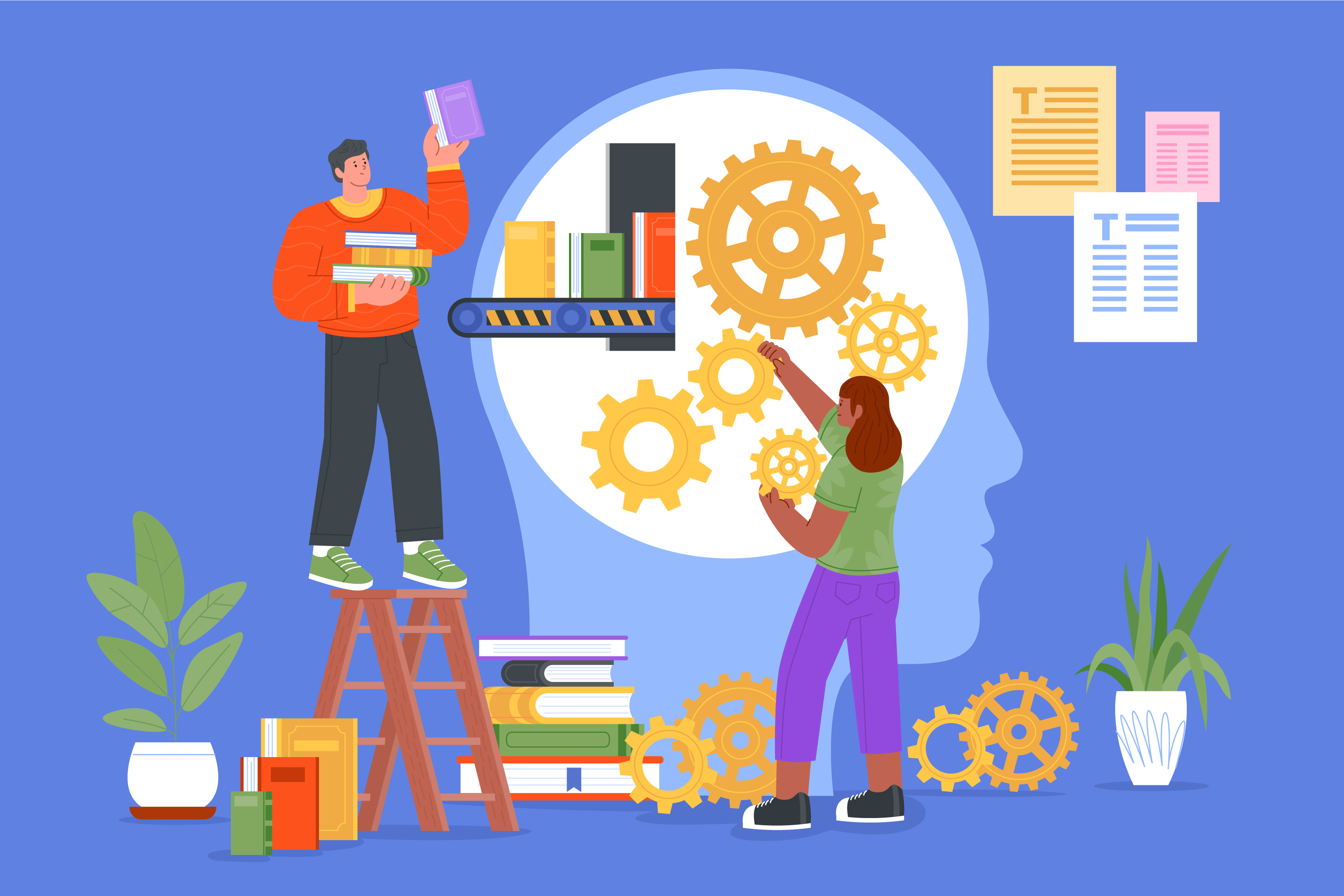
Every parent dreams of raising a child who isn’t just good at scoring marks but is also prepared to take on life outside the classroom. Yet, many schools still focus solely on textbook learning, missing out on developing the essential life skills children need to thrive. This is where experiential learning steps in.
Why this matters for your child:
- Project-Based Assignments: Whether it's creating a sustainable product or organizing a mock community drive, such projects teach planning, teamwork, and accountability.
- Interdisciplinary Learning: Real life doesn’t divide itself into ‘Math’ or ‘English.’ In experiential learning, subjects are blended- math skills applied to real budgets, or literature explored through dramatic performances.
- Leadership & Public Speaking: Children present their work, explain their process, and respond to feedback, developing poise and presence from a young age.
- What Research Says: The Association for Experiential Education reports that experiential learning boosts engagement by 30% and leads to significant improvement in collaboration and critical thinking.
So when your child builds something in class or solves a real-world challenge, they’re not just "doing an activity", they’re preparing for life.
Think. Reflect. Grow.
In the fast-paced grind of assignments, homework, and assessments, one vital habit often gets overlooked: reflection. Yet, this simple act- thinking back on what they learned and how they felt- can transform your child’s academic and emotional development.
Reflection isn't just for adults or meditation- it helps children understand themselves better, take ownership of their learning, and learn from their mistakes. This makes them not only better students but also more emotionally aware individuals.
How reflective practices help children:
- Self-Evaluation Tools: Through journals, learning logs, or mood check-ins, children assess their growth and challenges. This makes them more responsible and self-motivated.
- Classroom Discussions on Feelings and Efforts: Children talk about what worked, what didn’t, and how they can improve- a practice that builds resilience and critical thinking.
- Cultivates a Growth Mindset: When children learn that failure isn’t a dead-end but a step toward progress, they become less afraid of challenges.
- Emotional Intelligence Gains: According to Harvard’s Making Caring Common project, reflective practices at school increase empathy, emotional regulation, and conflict-resolution abilities.
Encouraging children to pause and reflect may seem small, but it’s a powerful way to help them build self-awareness, learn independently, and stay mentally healthy.
Check Out | More Than Just Marks
JM International School: Shaping Thinkers, Not Just Toppers
At JM International School, one of the best schools in Dwarka, learning is not about memorizing facts- it’s about making sense of the world. When students are invited to ask “why” instead of simply being told “what,” something powerful happens: they begin to own their education. Whether it’s a science experiment sparked by a real-world problem or a group project that mirrors real collaboration, every experience is designed to build thinkers, not just toppers.
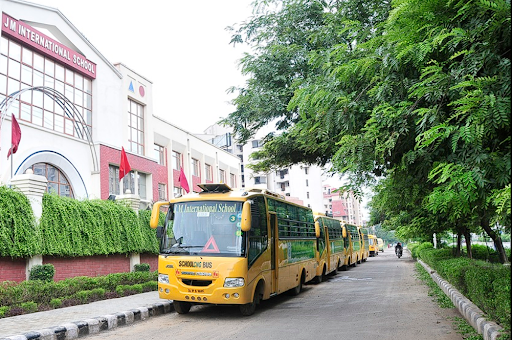
The school has classrooms that feel less like lecture halls and more like think-tanks. Children aren’t expected to sit still and memorize- they’re encouraged to move, explore, question, and build knowledge with their own hands and minds. Whether it’s through integrated projects, hands-on discovery, or reflective storytelling, learning at JMIS mirrors life itself: unpredictable, inspiring, and deeply personal.
At JM International School, it’s not just about what children know, but how confidently they think, how creatively they respond, and how meaningfully they contribute to the world around them. And that’s the kind of education every child deserves.
For more information on this and other such schools in the area, check out this list of the best schools in Delhi.
 as a preferred source on