







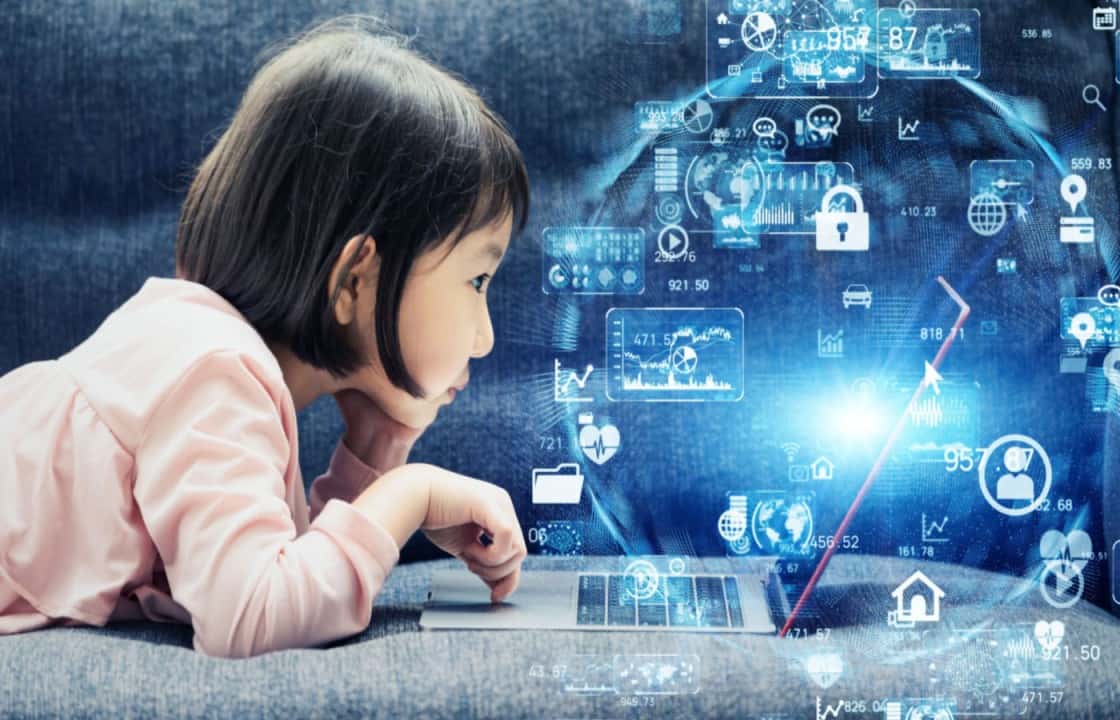

Are you preparing your child for a future where technology dominates every industry? In today's rapidly evolving digital landscape, technology literacy has become as fundamental as reading and writing. As artificial intelligence, automation, and digital tools transform workplaces, students need more than just basic computer skills to thrive in their future careers.
Education systems worldwide are adapting to this new reality by integrating technology education across curricula. From coding and computational thinking to AI literacy and digital creation, modern technology education aims to develop versatile skills that will remain relevant despite technological changes.
Manav Rachna International School, one of the best schools in Faridabad, is pioneering an education model where Information Technology (IT) and Artificial Intelligence (AI) are seamlessly integrated into the curriculum. This forward-thinking approach is transforming students into tech-savvy innovators who are equipped with the digital skills necessary for future success.
In this article, we'll explore how the digital revolution is transforming education, the growing importance of AI literacy, why modern technology education goes beyond basic computer skills, and how schools like MRIS Charmwood are implementing innovative approaches to create future-ready students.
Also Read | Nurturing Early Learners: Inside MRIS Charmwood's Toddler CurriculumThe Digital Revolution in Education

The classroom of today bears little resemblance to that of just a decade ago. Digital tools have expanded beyond dedicated computer labs, becoming integral components of learning experiences across all subjects.
This transformation represents more than just new devices; it signifies a fundamental shift in how knowledge is acquired and applied. Students now engage with interactive content that adapts to their learning styles, making education more personalized and effective.
The National Education Policy recognizes digital literacy as essential for 21st-century learners. Schools implementing these recommendations create environments where technology enhances traditional teaching methods rather than replacing them.
Technology integration has made information more accessible than ever before. This accessibility democratizes education, allowing students from diverse backgrounds to explore subjects beyond traditional textbooks.
Artificial Intelligence: The Future of Learning
AI is revolutionizing classrooms through tools that adapt to individual learning needs. These intelligent systems can identify knowledge gaps and provide personalized learning pathways tailored to each student's pace and style.
AI applications in education range from automated grading systems to sophisticated virtual tutors. These technologies free teachers from routine tasks, allowing them to focus on providing guidance and mentorship where human interaction is irreplaceable.
Why AI Literacy Matters
Understanding AI concepts is becoming crucial for future career success. As AI transforms industries from healthcare to finance, students with AI literacy will have significant advantages in the job market.
AI education helps develop critical thinking and problem-solving skills. When students understand how AI systems make decisions, they learn to approach problems with logical reasoning and systematic analysis.
Teaching Technology: More Than Just Computer Classes
Modern technology education has evolved dramatically from the basic computer literacy courses of the past. Today's comprehensive tech curriculum encompasses computational thinking, coding, digital creation, and ethical technology use.
Computational thinking serves as the foundation for all technology education. This approach teaches students to break down complex problems into manageable components, a skill valuable across disciplines and careers.
Technology education also fosters creativity and innovation in unexpected ways. When students learn to code or design digital projects, they develop their ability to express ideas and solve problems through technology.
The integration of technology across different subjects demonstrates its real-world relevance. From analyzing data in science experiments to creating digital art in humanities classes, technology becomes a tool for exploration rather than an isolated subject.
Building Future-Ready Skills Through Technology

Many of today's students will eventually work in jobs that don't yet exist. Technology education prepares them for this uncertain future by developing adaptable skills that remain relevant regardless of how specific technologies evolve.
How schools can build future-ready skills:
- Problem-solving through Coding: Teaching students to write code develops logical thinking and systematic problem-solving approaches
- Project-based Learning: Engaging students in technology projects that address real-world challenges
- Cross-disciplinary Integration: Applying technology across subjects to demonstrate its versatility
- Collaborative Development: Creating team projects that mirror professional technology environments
- Digital Creation over Consumption: Encouraging students to build digital products rather than just using them
Key employability skills developed through technology education:
- Adaptability: Preparing students to quickly learn and master new technologies
- Critical Thinking: Developing analytical skills to evaluate technological solutions
- Collaboration: Building teamwork skills essential for complex technology projects
- Communication: Enhancing the ability to clearly explain technical concepts
- Digital Citizenship: Teaching responsible and ethical use of technology
- Innovation Mindset: Fostering creativity and entrepreneurial thinking
Technology education also cultivates these skills within meaningful contexts. As students become increasingly connected, understanding online safety, privacy, and ethical considerations becomes essential for navigating the digital world.
Innovative Approaches to Technology Education
Leading educational institutions implement innovative approaches that go beyond traditional instruction. Project-based learning offers students opportunities to apply technological skills to real-world challenges.
Makerspaces and tinkering labs provide hands-on environments where students can experiment with technology. These spaces democratize access to technology tools, allowing students to engage with concepts through practical exploration.
Collaborative technology projects teach students to work effectively in teams. When students collaborate on tech challenges, they learn to combine their strengths, communicate effectively, and develop solutions collectively.
The integration of real-world problems makes technology education relevant and engaging. When students use technology to address authentic challenges, they develop a deeper understanding of both the tools and their applications.
Check Out | Merging Technology with Learning for Maximum BenefitsManav Rachna International School, Charmwood: Pioneering IT & AI Education
Established in 2009, Manav Rachna International School, one of the best schools in Charmwood, is a premier CBSE institution that has created a comprehensive ecosystem for technology education. The school's smart and digital campus features digitally-equipped classrooms, state-of-the-art laboratories, and robust technology infrastructure.

MRIS Charmwood's approach to technology education is evident in its specialized programs like Tinkering, Coding & Technology, Media & Design, and Artificial Intelligence. These offerings provide students with hands-on experience in cutting-edge technologies through the school's innovative Makershala STEM curriculum that develops scientific thinking through practical exploration.
The school's commitment to technology education has garnered recognition through numerous awards, including the Global Education Award for Best Skill Development Initiative by Scoo News. MRIS Charmwood was also ranked the No. 1 CBSE School in Faridabad in the Challengers Category by The Prestigious Times School Survey 2021, affirming its position as a leader in educational innovation.
Beyond technical skills, MRIS, one of the best CBSE Schools in Faridabad, emphasises the ethical dimensions of technology through its Life Skills and Values curriculum. This holistic approach ensures that students become responsible digital citizens who understand how to use technology for positive impact while maintaining a well-rounded education through a blend of 22 academic and skill-based subjects.
For more information on this and other such schools in the area, check out this list of the best schools in Faridabad.



 as a preferred source on