







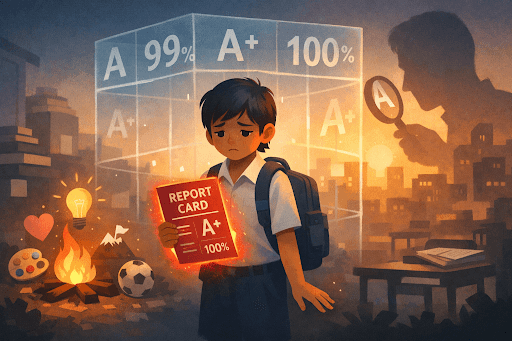

We have all been slaves to the number. That little red mark on a piece of paper has the power to silence a dinner table, spark a celebration, or break a child’s spirit. For decades, we have worshipped at the altar of the report card, convinced that an ‘A’ in Mathematics is the golden ticket to a safe, prosperous future. But here lies the uncomfortable truth we refuse to whisper at parent-teacher meetings: We have confused obedience with intelligence, and memorisation with capability.
Now we will try to dismantle the dangerous obsession with academic perfection, examine what seven decades of research say about grades and real success, what children silently lose in the chase for percentages, and how the best schools in Bangalore, like New Oxford International School, are quietly rewriting the script.
Also Read | Homework Is Only the Beginning: What a Truly Good School Offers Children – New Oxford International School
The Hollow Trophy
A grade measures one thing and one thing only: how well a child followed rules on a particular Tuesday. Think about what actually goes into a grade. Homework completed on time. Behaviour that did not annoy the teacher. Neat handwriting. A little bit of memorisation the night before. None of these is a bad thing, mind you. But none of them is curious. None of them is kind. None of them is the quiet courage it takes to raise a hand and say, “I don’t understand.”
A study published by Gallup and Learning Heroes found that a whopping 79% of parents believe their children are getting mostly B’s or better. Nearly nine out of ten parents think their child is performing at or above grade level in reading and math. But when those same children are measured against independent state exams? The picture flips upside down. Large numbers of students are nowhere near where they should be. The report card lied. And the parents never saw it coming.
But talking about the cruellest tricks of all, A struggling child can still bring home a ‘B’ if the teacher feels generous, if the child tries hard, or if the school simply refuses to hold anyone back. The grade becomes a bandage over a wound nobody wants to look at. The parent relaxes. The school looks good. And the child keeps sinking, quietly, with a smile and a shiny report card.
We tell ourselves we are preparing them for the "real world," yet the real world does not hand out gold stars for compliance. In our desperation to secure their future, we have locked them in a cage where the only currency is a grade point average. And the bars of this cage are not made of iron, but are made of our own unspoken fears.
When the Score Becomes the Scourge
Modern parenting has morphed into a high-stakes stock exchange where we trade childhood for percentages. We forget that a child who scores 99 is often not a genius but a perfectionist, terrified of the 1% they lost.
A landmark study from the American Psychological Association found that academic stress is significantly associated with depressive symptoms among adolescents, with over 60% of students reporting feeling "overwhelmed" by school demands. This begs the question: If our children are winning on paper but breaking inside, have we truly won at all?
The Vanishing Art of Failure
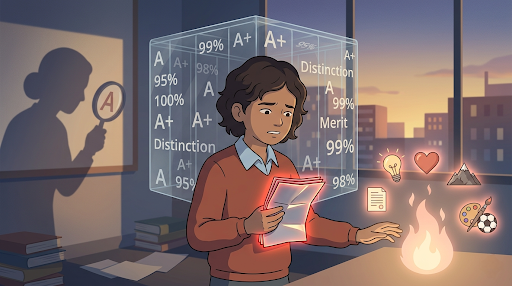
The biggest lie of the grade system is that failure is fatal. We rush to tutors and extra classes at the first sign of a ‘C’, inadvertently robbing our children of the chance to build grit.
Psychologist Carol Dweck’s renowned research on "growth mindset" proves that children who learn to embrace failure become more resilient, creative, and successful in the long run. But perhaps you are thinking, "My child's school doesn't see it that way." And that brings us to an even deeper truth.
Beyond the Bubbles: What Grades Never Expose
A report card is a lie. It pretends to measure a student, yet it ignores the very traits that define success in adulthood. A ‘75’ in Mathematics does not measure honesty, nor does it grade the patience a child showed while helping a struggling classmate. As education researcher Alfie Kohn notes, grades create "a preference for the easiest possible task" and kill intrinsic curiosity.
So, if grades don't tell the full story, what does? And more importantly, where can we find an education system that understands this? And, if you want to see a shift in this philosophy, looking at institutions focusing on holistic development rather than rote learning is refreshing.
New Oxford International School - The School That Chose to Build the Whole Child
Data from the National Institute of Mental Health paints a grim picture. Adolescent depression rates have risen by nearly 60% in the last decade, with academic pressure cited as the primary driver in most cases. The obsession with "good grades" has led to what psychologists now call "grade slavery”. Students learn for the test and immediately forget, rather than learning for life.
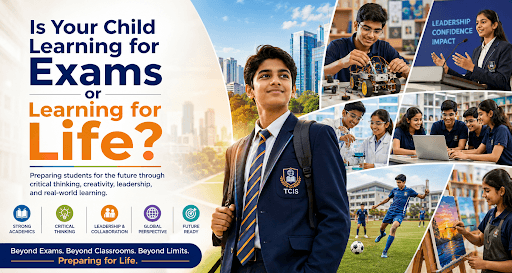
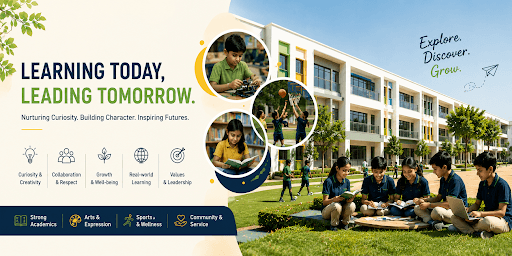
Finding an institution that breaks free from the shackles of rote learning is rare. New Oxford International School understands that education is not just about filling buckets but about lighting fires.
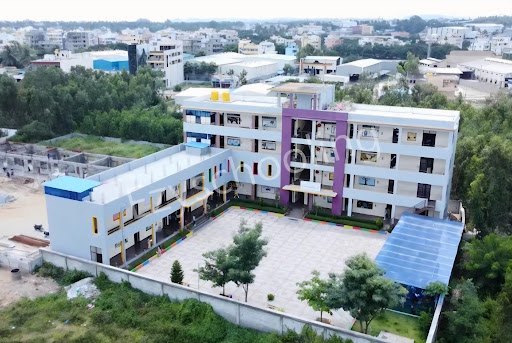
Their curriculum is designed to bridge the gap between academic rigor and emotional intelligence, ensuring that your child is not just exam-ready, but life-ready. They focus on the forgotten art of ‘learning how to learn’, moving away from the toxic culture of rank-based validation.
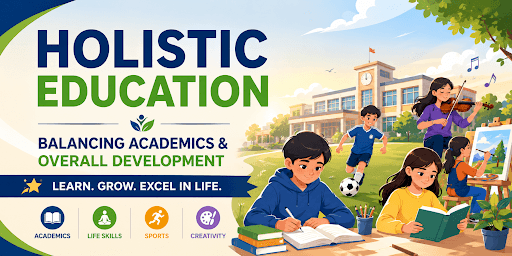
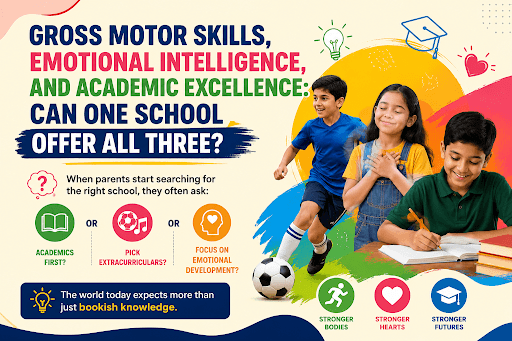
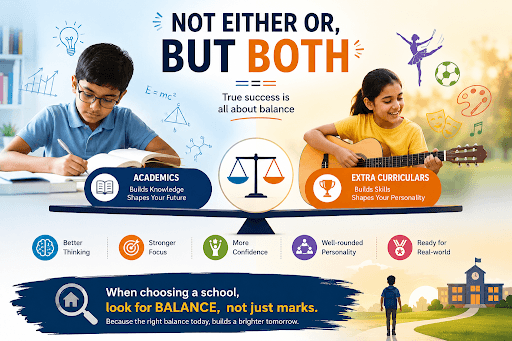
The School holds that academics, sport, and the arts are not competing agendas; they are one agenda seen from different angles. Chairman Dr. N. Ravi Kumar: "We guide students to unlock their intellectual, social, and emotional potential." Principal Mrs. Rihana's north star is vision with action; a child who only scores, without direction, is a compass pointing nowhere.
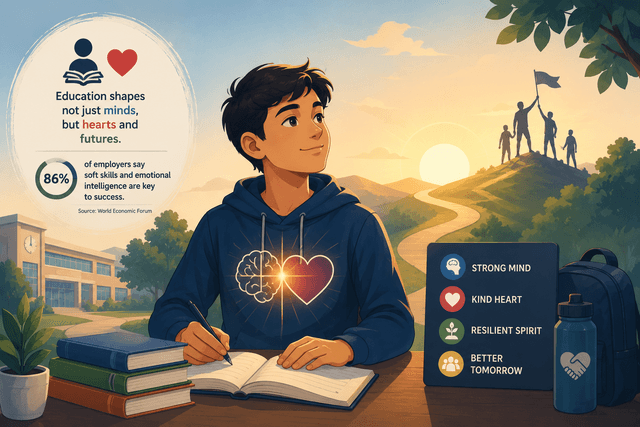
At the end of a life, nobody asks for a report card. They ask if you were kind. If you were brave. If you mattered to someone. The grade is not the enemy. The lie is making it the only thing that matters.
For more information on similar schools in the area, see this list of the best schools in Bangalore




 as a preferred source on