








Education today is about much more than academic achievement; it's about helping children discover their unique voices and the confidence to share them. Schools that provide platforms for self-expression allow students to sharpen essential life skills like writing, editing, and communication while developing creativity and emotional intelligence. Among these opportunities, a School Editorial Board stands out as a powerful way for children to transform ideas into impactful words and publications.
Manav Rachna International School (MRIS), one of the best schools in Sector 21c, Faridabad, brings this vision to life with its vibrant Editorial Board, giving young learners an exciting platform to write, edit, and publish content that reflects their thoughts, experiences, and creativity.
This article explores how a School Editorial Board builds real-world skills, nurtures creativity, and promotes confident expression, highlighting how MRIS Sector 21C provides the ideal environment for children to grow as thinkers, writers, and leaders.
Also Read| The All-Round Education Model: MRIS Sector 21C's Path to Excellence
What is a School Editorial Board?
A School Editorial Board is a student-led team responsible for planning, writing, editing, and publishing school magazines, newsletters, or digital content. For children, it is more than a club; it is a real-world learning space where curiosity meets discipline. Parents can see it as a guided introduction to professional publishing, where students experience the excitement of transforming raw ideas into polished, published work.
Here are some ways it benefits young learners:
-
A Platform for Young Voices: The board gives children the chance to share opinions and creativity with peers, teachers, and parents, making their ideas feel valued and impactful.
-
Skill Development through Practice: Every stage of researching topics, drafting articles, editing, and layout sharpens writing, grammar, and communication skills that support academic learning.
-
Teamwork and Leadership: Children work with editors, writers, photographers, and designers, learning to collaborate, solve problems, and take responsibility for decisions, while steadily growing in leadership.
-
Real-World Exposure: The process mirrors the professional world of media and journalism, offering early experience for children who may wish to pursue careers in writing, design, or content creation.
Through these activities, children not only build technical skills but also develop the confidence to express their ideas with clarity and purpose.
What Parents Expect from Platforms of Student Expression
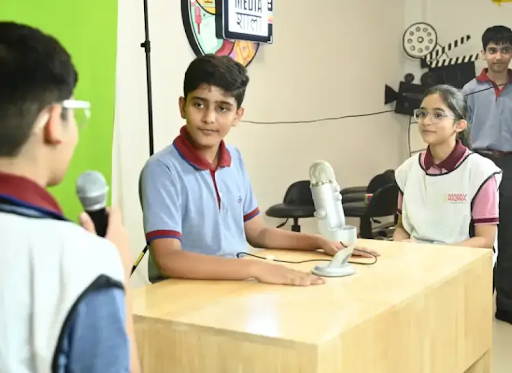
Parents today want schools to create well-rounded individuals who are ready for life beyond academics. An editorial platform speaks directly to these expectations by giving children space to grow intellectually, creatively, and socially. Some important outcomes include:
-
Building Lifelong Skills: Participation improves language abilities, research habits, and presentation skills that benefit every subject in school and beyond.
-
Discovering Hidden Talents: Children often uncover interests in journalism, photography, or design, sparking passions they may carry into future careers.
-
Balanced Personality Development: Editorial work teaches students to balance creative freedom with responsibility, strengthening time management and organizational skills.
-
Motivation through Recognition: Seeing their work published provides a strong sense of pride, motivating children to take on new challenges.
-
Safe and Guided Expression: Parents can trust that their children are sharing ideas in a positive, teacher-supported environment that values respect and responsibility.
These qualities show how editorial platforms enrich children’s growth while reassuring parents that creativity and discipline go hand in hand.
Activities that Spark Growth at the Editorial Board
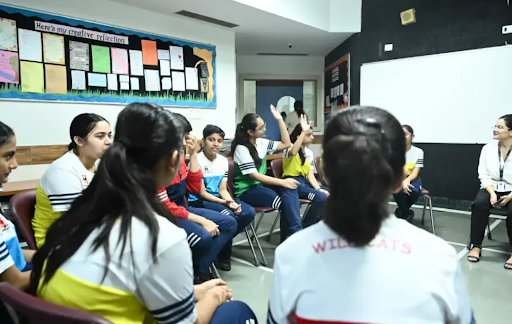
Each task at the editorial board is designed to build confidence and inspire curiosity. Here are some key activities that make the experience enriching:
-
Role-Based Learning: Students take on roles such as writers, editors, photographers, or designers, discovering personal strengths while exploring different creative fields.
-
Content Creation and Research: Children learn to select topics, gather information, and present facts clearly, strengthening both academic research and everyday decision-making.
-
Collaborative Brainstorming: Group discussions teach children to listen, respect differing viewpoints, and merge ideas into a cohesive publication.
-
Deadline Management: Meeting real timelines instills discipline, planning skills, and a sense of responsibility.
-
Capturing School Life: Reporting on school events, social issues, or creative topics helps children connect with their community and practice storytelling.
Each activity combines creativity with structured learning, allowing students to grow as communicators and critical thinkers.
How Editorial Participation Builds Confidence and Skills
Joining a School Editorial Board is not just about producing content, it’s a journey of personal development. Through regular writing and publishing, children gain experiences that prepare them for academic success and real-world challenges. Some key benefits include:
-
Confidence in Communication: Publishing their work gives students the courage to share ideas clearly and confidently in public.
-
Leadership and Responsibility: Managing articles, guiding peers, and making editorial decisions nurtures strong leadership skills.
-
Critical and Creative Thinking: Researching topics and addressing layout or content challenges helps students analyze information and think outside the box.
-
Resilience through Feedback: Children learn to accept constructive criticism, improve their work, and handle deadlines with maturity.
-
Joy of Collaboration: Working as part of a team fosters empathy, cooperation, and the satisfaction of creating something meaningful together.
These lessons stay with children long after school, shaping them into thoughtful, articulate, and confident individuals.
Check Out| Looking for Ways to Nurture Creativity?
Manav Rachna International School, Sector 21C: Nurturing Young Communicators through the Editorial Board
Manav Rachna International School (MRIS) is located in Sector 21C, one of the best CBSE schools in Faridabad, it offers education from Pre-Nursery to Grade 8th. The spacious campus is thoughtfully designed with modern classrooms, innovation labs, well-stocked libraries, and creative zones, ensuring a balance of academic excellence and co-curricular development for every child.
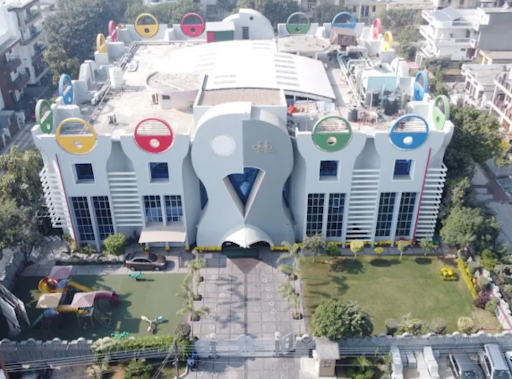
At MRIS, the Editorial Board is an integral part of the school’s co-curricular framework. Children are encouraged to explore their interests by taking on roles such as writer, editor, photographer, or designer. Guided by experienced mentors, students participate in every stage of publishing from brainstorming and researching topics to editing, layout design, and final printing. This hands-on approach allows them to produce school magazines, newsletters, and digital publications, transforming their creativity into professional-quality work while learning essential skills like communication and organization.
The success of the Editorial Board at MRIS is built on the dedication of teachers and mentors who provide constant guidance and encouragement. Staff members identify hidden talents, offer constructive feedback, and celebrate each child’s achievements, creating a safe and inclusive space where students feel confident to share their voices. This nurturing environment not only enhances writing and editorial abilities but also shapes students into expressive, responsible, and self-assured individuals prepared for the future.
For more information on this and other such schools in the area, check out this list of the best schools in Faridabad.
 as a preferred source on