







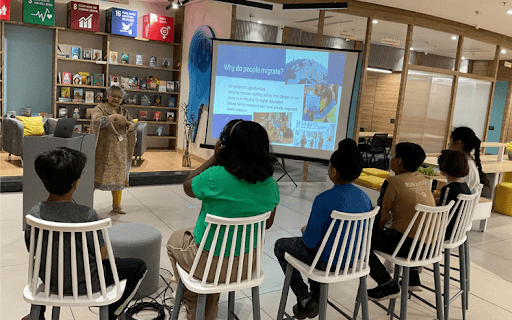

Traditional education often compartmentalises learning into separate subjects, creating artificial barriers between knowledge areas. However, the real world operates through interconnected systems where science, arts, language, and social studies merge seamlessly. Transdisciplinary learning breaks down these silos, allowing students to explore themes that naturally integrate multiple disciplines. This innovative approach is particularly powerful for young learners who naturally think holistically.
One of the best schools in Faridabad, Manav Rachna International School (MRIS), Sector 14, Faridabad, exemplifies this philosophy through its comprehensive International Baccalaureate Primary Years Programme.
In this article, we'll explore why transdisciplinary learning matters for early education and how it prepares students for an increasingly complex, interconnected world.
Also Read | Social and Emotional Learning in the Early YearsUnderstanding Transdisciplinary Learning in Early Education
Modern educational research reveals that young minds learn most effectively when information connects across subject boundaries rather than existing in isolation.
The Natural Learning Process
Children instinctively make connections between different areas of knowledge. When a five-year-old plants a seed, they simultaneously engage with science concepts, mathematical measurement, language development, and artistic expression. Transdisciplinary learning honours this natural inclination, creating meaningful educational experiences that mirror real-world complexity.
Beyond Subject Integration
Unlike interdisciplinary approaches that simply combine subjects, transdisciplinary learning transcends traditional boundaries entirely. Students explore genuine themes and issues, naturally drawing from various knowledge areas as needed. This approach develops critical thinking skills while maintaining the depth necessary for comprehensive understanding.
Developmental Advantages
Early childhood represents a critical period for establishing learning patterns. Transdisciplinary approaches during these formative years create neural pathways that support lifelong analytical thinking, creativity, and problem-solving abilities. Students develop confidence in tackling complex challenges by understanding how different knowledge areas complement each other.
The Six Transdisciplinary Themes: A Framework for Real-World Learning
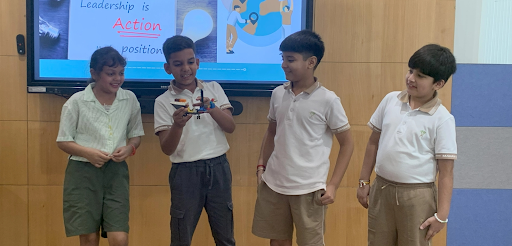
The International Baccalaureate Primary Years Programme structures learning around six universal themes that reflect human experiences and concerns across cultures.
Personal Identity and Community Connections
The themes "Who We Are" and "Where We Are in Place and Time" help students understand themselves within broader contexts. Students explore personal identity, relationships, and cultural heritage while examining historical patterns and geographical influences. These investigations develop empathy and cultural awareness essential for global citizenship.
Expression and Global Understanding
"How We Express Ourselves" and "How the World Works" themes encourage creative and scientific exploration. Students investigate communication methods, artistic expression, and natural phenomena. They develop appreciation for diverse perspectives while building scientific literacy and creative confidence.
Organisation and Responsibility
Through "How We Organise Ourselves" and "Sharing the Planet" themes, students examine social systems and environmental relationships. These explorations foster civic awareness and environmental stewardship, preparing responsible future leaders who understand their role in creating sustainable communities.
Benefits of Transdisciplinary Learning for Young Minds
Research consistently demonstrates that integrated learning approaches produce superior educational outcomes compared to traditional subject-based instruction.
Enhanced Critical Thinking and Problem-Solving
Transdisciplinary learning develops analytical skills by presenting complex scenarios requiring multiple perspectives. Students learn to:
-
Identify connections between seemingly unrelated concepts
-
Evaluate information from various sources and viewpoints
-
Develop creative solutions drawing from diverse knowledge areas
-
Apply learning to novel situations beyond the classroom
Improved Retention and Understanding
When students explore concepts through multiple lenses, they create stronger memory connections. Mathematical concepts explored through art projects, scientific investigations examined through storytelling, and historical events analysed through dramatic performance all contribute to a deeper, more lasting understanding.
Development of Global Mindedness
Transdisciplinary themes naturally incorporate international perspectives and cultural diversity. Students develop an appreciation for different ways of thinking and living, essential skills for success in our interconnected world. This global awareness prepares them for future academic and professional opportunities requiring cross-cultural competency.
Implementation Challenges and Solutions
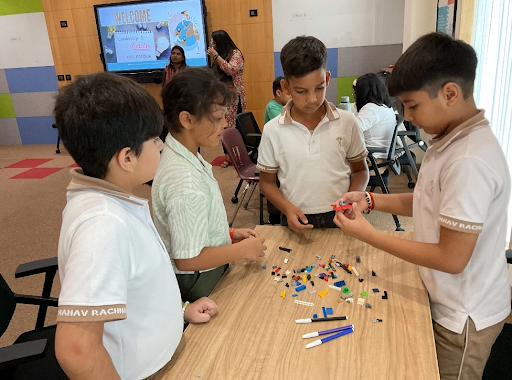
Effective transdisciplinary education requires careful planning and specialised approaches that differ significantly from traditional teaching methods.
Teacher Preparation and Collaboration
Educators must develop expertise across multiple disciplines while maintaining depth in their speciality areas. Professional development programs and collaborative planning structures support teachers in creating meaningful integrated experiences. Regular reflection and adjustment ensure programs meet both thematic goals and subject-specific standards.
Assessment Strategies
Traditional testing methods often fail to capture the complexity of transdisciplinary learning. Effective assessment includes portfolio development, project-based evaluation, and performance demonstrations that allow students to showcase understanding through multiple formats. These approaches provide authentic feedback while maintaining academic rigour.
Resource Allocation and Environment Design
Transdisciplinary learning requires flexible spaces and diverse resources. Classrooms must accommodate various activities while providing access to technology, art supplies, scientific equipment, and library materials. Strategic resource planning ensures students can pursue investigations effectively.
Check Out | The Impact of Time Management on Engineering Assignment ExcellenceManav Rachna International School (MRIS), Sector 14: Pioneering Transdisciplinary Excellence
View Profile
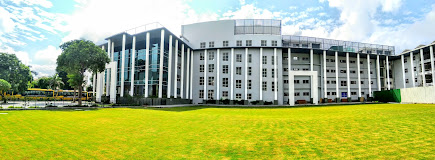
One of the best IB schools in Faridabad, Manav Rachna International School, launched in 2023 as the flagship International Baccalaureate school within the Manav Rachna Educational Universe. The school achieved IB Continuum School status in September 2024, becoming the first such institution in Faridabad.
MRIS aspires to "empower learners to become ethically responsible global agents of change" through comprehensive transdisciplinary education. The school's mission emphasises creating a safe, inclusive learning environment that fosters internationally minded, compassionate lifelong learners equipped for global citizenship.
The school's PYP spans from Early Years 1 through PYP 5, serving students aged 3-12. Students engage with all six transdisciplinary themes through inquiry-based learning that develops the ten IB Learner Profile attributes and five Approaches to Learning skills essential for academic success and personal growth.
MRIS features state-of-the-art facilities designed specifically for transdisciplinary learning. Flexible classroom spaces include collaborative zones, quiet study areas, and presentation spaces that adapt to various activities. The comprehensive library offers storytelling areas, research pods, and collaboration rooms supporting diverse learning styles.
The school employs Apple technology and the Toddle Learning Management System to enhance student engagement and global collaboration. Interactive whiteboards, tablets, and creative applications like GarageBand support multimedia projects that integrate artistic expression with academic content, preparing students for digital citizenship.
Experience the transformative power of transdisciplinary learning at MRIS Sector 14. Apply Now to give your child the foundation for becoming a globally-minded, ethically responsible future leader.
For more information on this and other similar schools in the area, check out this list of the best schools in Sector 14, Faridabad.

 as a preferred source on