







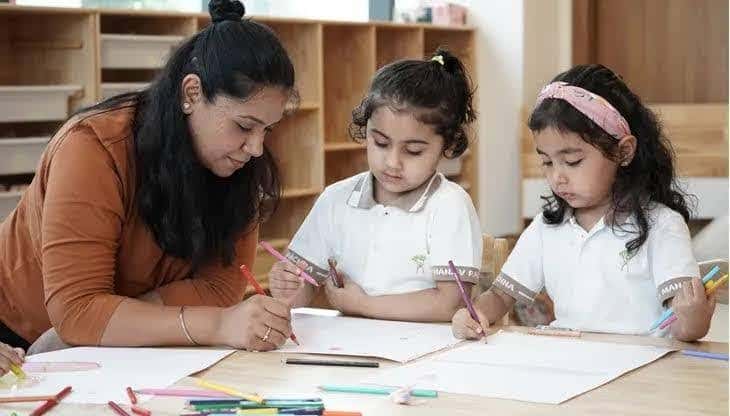

Everyone talks about nurturing “creative” kids, but here’s the real question: what does creativity actually mean in a world filled with constant change?
It isn’t just about scoring well in English essays or writing neatly; it’s about developing imagination, learning how to express thoughts clearly, and being able to reflect on emotions and experiences. In today’s information-rich world, where knowledge is instantly available, what sets children apart is their ability to communicate original ideas and shape them into meaningful stories.
At one of the best schools in Gurugram MRIS, this vision takes shape through the Young Authors’ Felt Pen Program, a unique initiative that encourages children to write, publish, and celebrate their creative voices. The program goes beyond classroom assignments, helping children find joy in self-expression and confidence in seeing their words in print.
In this article, we’ll explore why writing matters for young learners, how starting early can transform creativity, and how programs like the Felt Pen initiative nurture tomorrow’s writers.
Also Read | 8 Pillars That Shape Tomorrow’s Leaders at Manav Rachna International School, Sector 46, GurgaonWhy Writing Matters in Education
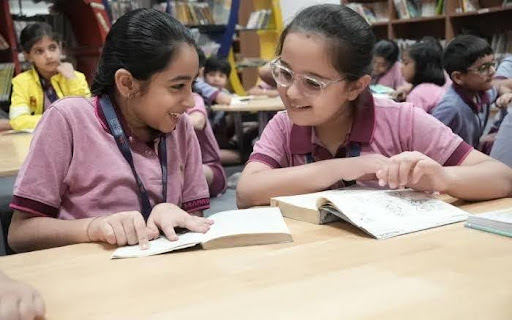
Writing is more than an academic requirement; it is a life skill. According to the UK’s National Literacy Trust, only 28.7% of children aged 8-18 say they enjoy writing in their free time. Yet research shows that students who write regularly perform better across subjects, demonstrate stronger communication skills, and develop higher levels of creativity and empathy.
Here’s what young writers gain:
-
A voice for self-expression: Children learn to articulate their ideas, emotions, and perspectives.
-
Imagination & creativity: Inventing stories builds creative thinking that extends beyond literature.
-
Critical & analytical skills: Writing teaches children to structure narratives, link ideas, and reason clearly.
-
Confidence & independence: Seeing one’s own work shared or published validates effort and boosts self-esteem.
-
Future-readiness: Clear, persuasive communication is essential in every career path of the 21st century.
Global Trends in Creative Writing for Students
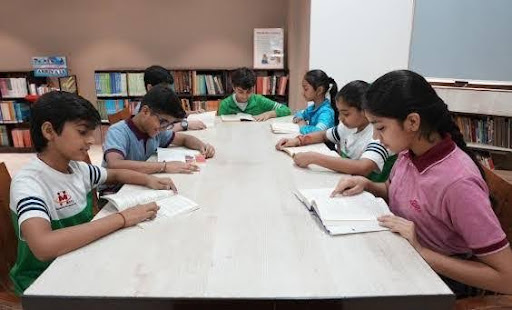
Around the world, schools are moving beyond rote memorization and embracing writing as a powerful learning tool. Some important shifts include:
-
Project-based and inquiry-led writing: Encouraging children to write stories, reflections, and research journals.
-
Integration of digital platforms: Blogs, e-books, and online anthologies allow students to share their work widely.
-
Creative writing clubs & festivals: These provide a platform for children to collaborate and showcase their talents.
-
Focus on emotional well-being: Many schools are using writing as a tool for mindfulness, journaling, and stress release.
-
Recognition through publication: Global best practices highlight the importance of giving children an audience beyond the classroom.
What Is the Young Authors’ Felt Pen Program & How It Works
Here’s how schools structure such writing initiatives to bring creativity into everyday learning:
-
Scope & Integration- The Young Authors’ Felt Pen Program is designed for students aged 8 -16, offering them a platform to write original stories, poems, or essays. By integrating creative writing into the school routine, it encourages children to see writing not as a task, but as a natural way to express themselves and share their ideas with others.
-
Guided Mentorship- A key feature of the program is guided mentorship, where students receive support from teachers or professional authors. Through this process, they learn how to polish their writing, refine their ideas, edit drafts, and improve overall structure, ensuring that their work reaches its full potential.
-
Publication Opportunities- The program also provides students with the opportunity to see their work published. Their stories, essays, or poems are often compiled into anthologies, such as Limitless and Brew, which schools use as supplementary reading materials. This experience gives young writers a sense of achievement and motivates them to continue exploring their creativity.
-
Peer Review & Collaboration- Students are encouraged to share their work with classmates for feedback and discussion. This peer review process allows them to learn from different perspectives, develop resilience in receiving constructive criticism, and build collaborative skills as they support one another’s creative growth.
-
Skills Developed- Beyond writing, the program helps students cultivate a wide range of skills. They learn creative expression and empathy through storytelling, strengthen critical thinking and vocabulary, and gain confidence in presenting their work. These skills contribute not only to academic success but also to personal development and communication abilities.
Skills That Set Young Writers Apart
Through creative writing initiatives, children develop traits that shape them for life, not just academics:
-
Analytical thinking: Breaking down plots and building logical storylines.
-
Problem-solving under pressure: Editing and rewriting teach persistence.
-
Innovation & originality: Thinking beyond the obvious to create new worlds.
-
Collaboration & teamwork: Working in writing groups, sharing and improving drafts.
-
Strong communication skills: Presenting stories to peers, teachers, or audiences with clarity and confidence.
Check Out | How to test your child's writing ability at home?
MRIS: Empowering Young Storytellers
Manav Rachna International School, located in Sector 46, Greenwood City, Gurugram, is a co-educational school. Ranked among the best CBSE schools in Gurgaon, it offers classes from Pre-Nursery to Grade XII. Widely recognized as one of the best schools in Sector 46, MRIS is known for its child-friendly infrastructure, innovative learning spaces, and a strong emphasis on holistic development.
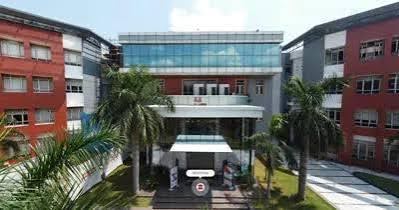
The school believes that education is not confined to classrooms but is a journey of self-discovery, purpose, and confidence. Its approach is built on 8 transformative pillars, ensuring that each learner not only excels academically but also develops the mindset, values, and resilience needed to thrive in an ever-changing world. Known for its emphasis on holistic development, integrating academics with arts, sports, and innovation.
Its initiatives, like the Young Authors’ Felt Pen Program, stand as proof of how schools can nurture creativity alongside academic rigor. Students have published anthologies, participated in inter-school writing events, and explored literature beyond textbooks. This is the Manav Rachna way, where education extends beyond academics, where every child is seen, heard, and supported, and where learning transforms into leadership and lifelong confidence. It is not just a school, but a foundation that empowers children to become the best versions of themselves.
For more information on this and similar schools in the area, refer to our list of the best schools in Gurugram.

 as a preferred source on