







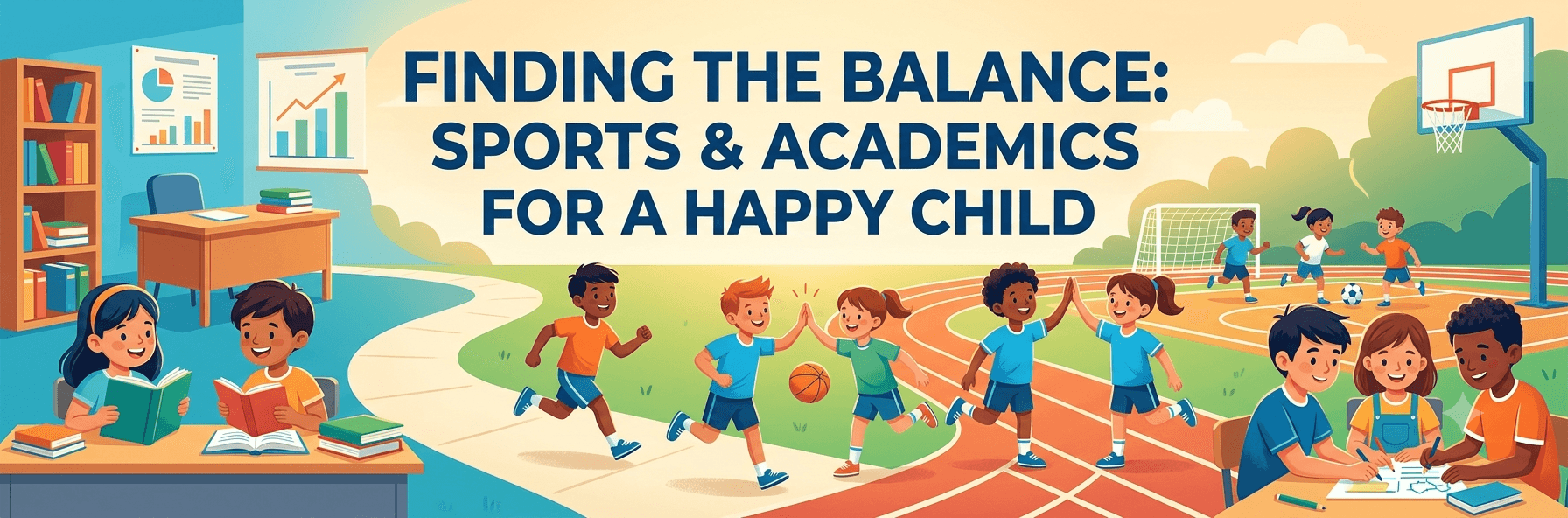

For many parents, school success is closely linked with academic performance. Good marks, regular homework, and exam preparation naturally become priorities. But children need more than textbooks to grow into confident and capable individuals. WisdomWood High is one example of a school that includes sports alongside academics and other areas of student development. The bigger question for parents is: how can children enjoy sports without losing focus on their studies?
The answer is not to choose between academics and sports. A healthy school routine should give children space for both.
Why Are Sports Important for Children?
Sports offer children a different kind of learning experience. While classrooms help them build knowledge, sports give them opportunities to practise, make decisions, cooperate with others and respond to challenges.
Regular physical activity also helps children develop coordination, stamina and healthy movement habits. More importantly, sports can make physical activity a natural part of childhood rather than something that only happens during occasional game periods.
A child does not need to become a professional athlete to benefit from sports. Even regular participation for enjoyment, fitness, and personal growth can be valuable.
The Life Skills Children Learn Through Sports
1. Teamwork and Communication
Team sports teach children that individual effort is only one part of achieving a shared goal. They need to communicate with teammates, listen to others, and understand different roles.
These skills are useful beyond the playing field. Children who learn to cooperate during games can gradually become more comfortable working on group projects, participating in classroom activities, and solving problems with others.
2. Discipline and Time Management
Sports usually involve practice, routines, and consistency. Children learn that improvement does not happen after one attempt. They have to keep practising even when a skill feels difficult.
This can introduce an important lesson about discipline: progress comes from regular effort.
When children have both academic and sporting commitments, they can also begin learning how to organise their time. With appropriate support from parents and teachers, they can understand when it is time to study, practise, relax and sleep.
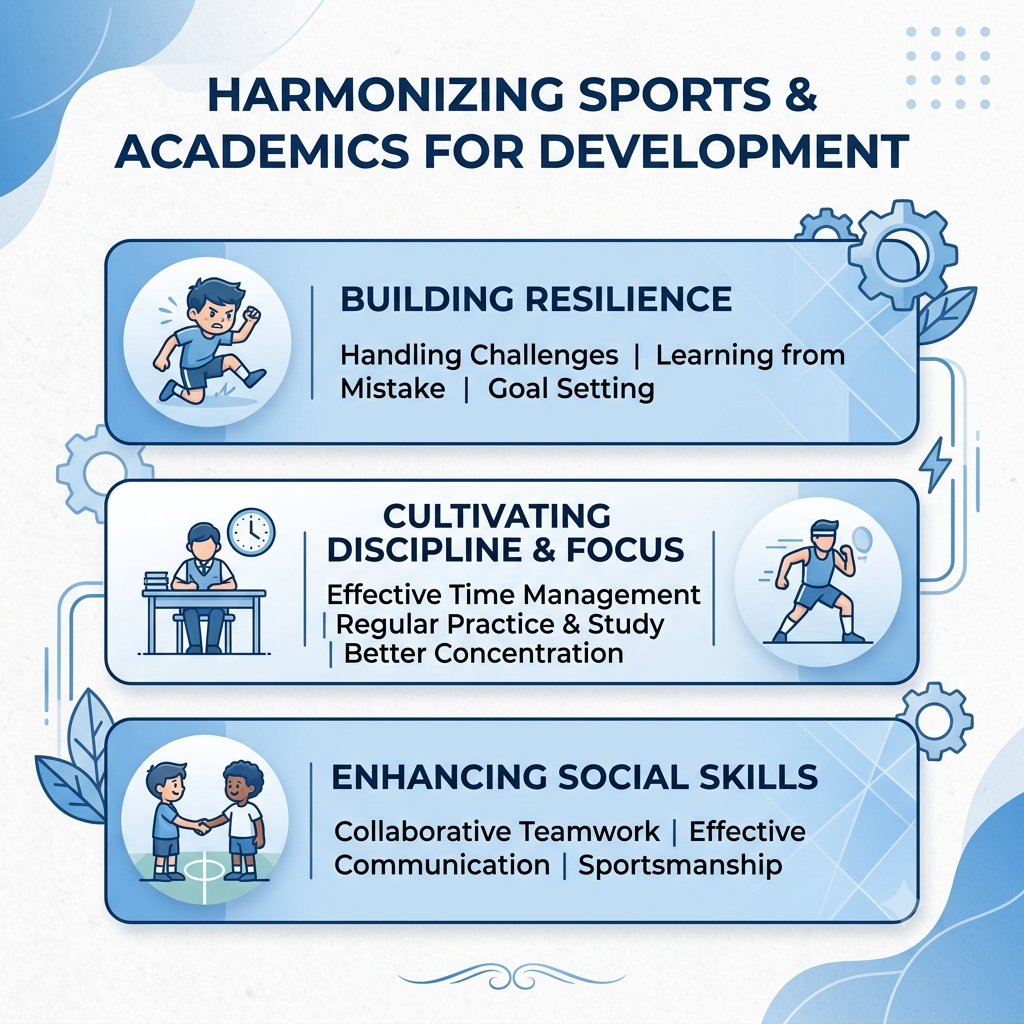
3. Confidence and Resilience
Winning feels good, but children can learn just as much from losing.
A missed goal, a difficult opponent or a failed attempt can teach children how to handle disappointment and try again. Over time, these experiences can help them become more comfortable with mistakes.
This does not mean parents should put pressure on children to win. The greater value lies in helping children appreciate effort, improvement, and persistence.
Can Children Balance Sports and Academics?
This is often the biggest concern for parents.
The answer depends on the child's age, interests, academic workload, and overall routine. Sports should not become so demanding that a child regularly sacrifices sleep, homework, or recovery time. At the same time, academics should not leave children with no opportunity for physical activity or recreation.
A practical routine can make both possible.
For example, a child might have a fixed time for homework after school, attend sports practice on selected days, and still have enough time for dinner, relaxation,n and sleep. During examination periods, the routine may be adjusted temporarily.
The aim is not to make every part of a child's day productive. Children also need unstructured time to rest and simply enjoy being children.
What Should Parents Look for in a School Sports Programme?
When comparing schools, parents can look beyond the size of the playground or the number of sports listed in a brochure.
Ask questions such as:
- Are sports offered regularly or only during annual events?
- Can beginners participate comfortably?
- Are different types of sports available?
- Is there a balance between competition and enjoyment?
- Are children encouraged to learn sportsmanship?
- Does the programme support both individual and team activities?
- Are physical activity and academics treated as complementary parts of school life?
A good sports programme should make children want to participate. It should give them opportunities to challenge themselves without making every activity about winning.
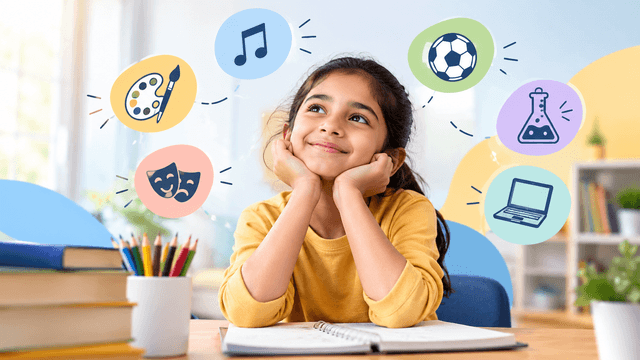
Parents should also remember that children have different interests. One child may enjoy football, while another may prefer chess, swimming, athletics, or an individual activity. The right environment allows children to explore rather than forcing every child into the same mould.
How Parents Can Support a Healthy Balance
Parents play an important role in making sports a positive experience.
First, avoid comparing children based on sporting ability. Not every child will be fast, strong,g or naturally competitive.
Second, focus on effort rather than results. Saying “You worked hard today” can be more valuable than asking whether the child won.
Third, protect sleep and recovery. A tired child cannot perform well academically or physically.
Finally, let children have some say in the activities they pursue. Interest makes it easier for children to stay engaged over time.
How WisdomWood High Brings Sports into School Life
At WisdomWood High, the school describes sports as part of its wider approach to student development, with an emphasis on discipline, teamwork, resilience and fair play. Its official information lists activities including track and field, football, cricket, basketball, tennis and swimming, while its Annual Sports Day includes track and field events, team games and skill-based challenges.

The school also describes facilities such as a playground, a human-scale chessboard and a jumbo net play area. For parents exploring a Top school in Bangalore or considering what a Best school in Bangalore should offer beyond academics, this approach provides one example of how sports can be included as part of a broader school experience.
The Goal Is Balance, Not Perfection
Sports do not have to compete with academics. When planned thoughtfully, they can give children another space to learn, practise, cooperate, make mistakes and grow.
For parents, the goal should not be to create a child who excels at everything. It is to give children enough opportunities to discover their strengths while maintaining healthy routines.
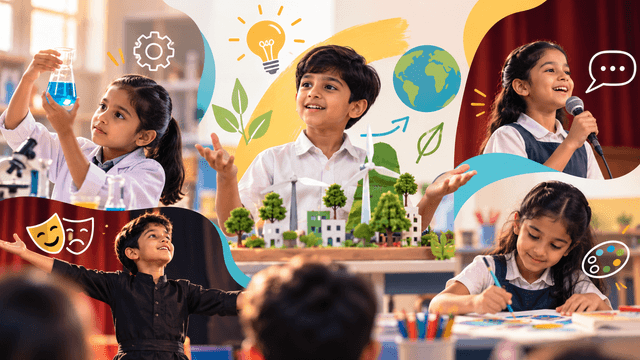
A balanced school experience leaves room for books, games, friendships, creativity, rest, and curiosity. These experiences together help children develop not only as students, but as well-rounded individuals.
For more information on this and similar schools, check out this list of the best schools in Bangalore.

 as a preferred source on