







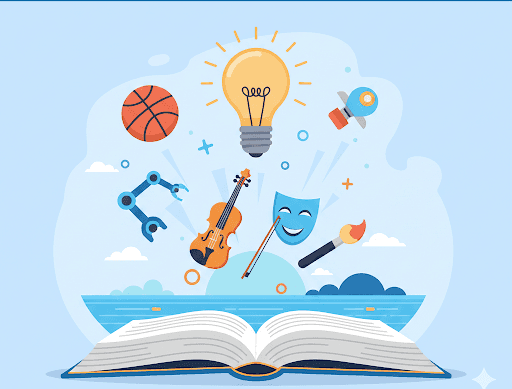

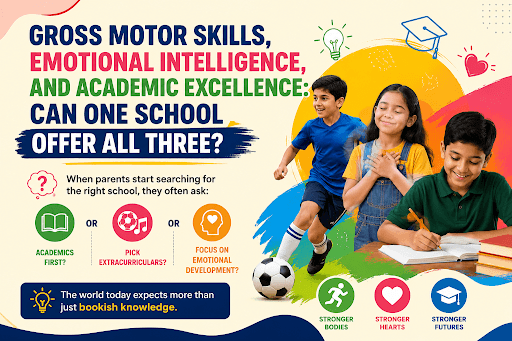
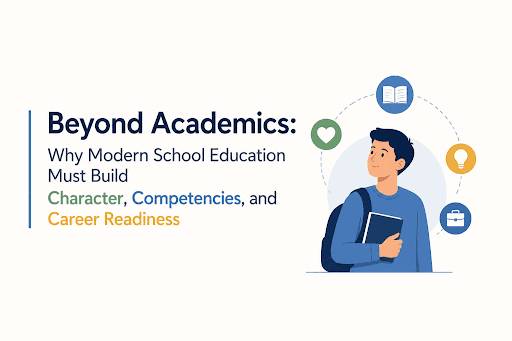
Education has a huge responsibility in assisting humans’ cause as humans advance through civilization. In such a time, the role of co-curricular activities has never been more significant. These activities extend learning well beyond classroom walls, offering students opportunities to explore interests, discover talents, and build essential life skills that classroom lessons alone cannot provide.
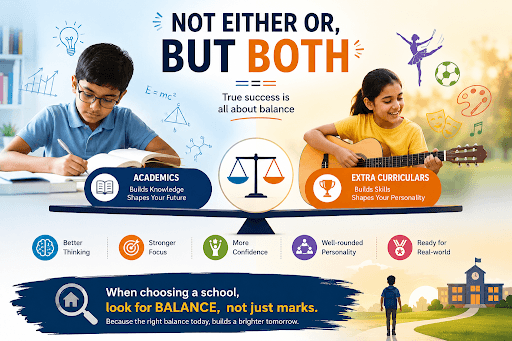
While academic lessons form the backbone of a child’s education, co-curricular activities form its heart. This not only nurtures confidence but also fosters creativity and prepares students for the multifaceted challenges of life. Through this article, we’ll try to explain how co-curricular activities help in a child’s growth and their importance. We’ll also try to explore the co-curricular activities that are available at one of the best schools in Gurgaon, the Drona School, and how they are working towards a better education for children.
What Are Co-Curricular Activities?

To understand the change in co-curricular activities, it is important to understand their meaning. And, simply put, co-curriculars are programmes designed to complement the academic curriculum.
Unlike extracurricular activities that may be optional or pursued outside school hours, co-curricular programmes are often integrated into the school environment and contribute to students’ holistic development. These activities span a wide range of areas, including arts, culture, sports, clubs, competitions, debates, and leadership initiatives.
At their core, co-curricular activities encourage students to apply classroom knowledge in real-world contexts. For example, participating in a debate strengthens language and critical-thinking skills, while team sports foster teamwork and perseverance. Through such diverse avenues of participation, students learn not just what they study, but how to use that knowledge constructively. Through this article, we’ll try to give a sure
Also Read| How Knowledge and Skills are enhanced through Co-Curricular Activities
Basis of Co-curricular Activities
Principles of Co-curricular Activities
- The school must have a constructive program.
- These activities should be scheduled during school hours.
- Activities should be considered part of the regular program.
- To cultivate healthy, meaningful relationships with others.
- Develops various skills such as effective communication, critical thinking, integration, and application of knowledge.
- Develop a sense of values and ethics within diverse, cultural, social, environmental, and personal settings.
Objectives of Co-curricular Activities
- To prepare for an active life in a democracy.
- To make a self - directive.
- To develop group morale.
- To increase interest in school and college.
- To teach social co-operation.
- To develop special qualities like leadership, honesty, sportsmanship, and mutual respect, etc.
The Educational Importance of Co-Curricular Engagement
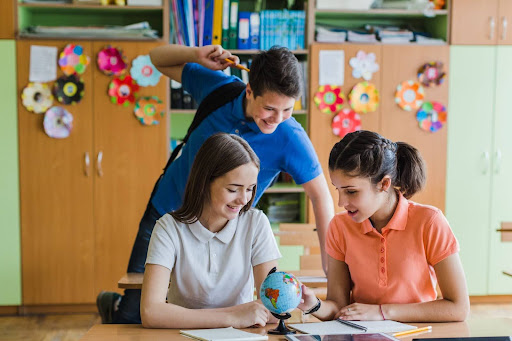
The co-curricular activities play a significant role in the total development of a child and thus, in Education itself. So let’s take a look at the significance of co-curriculars:
Builds Personality
Taking part in extra-curricular activities helps in developing a child’s self-esteem and confidence level. They prepare students to face challenges and develop critical thinking skills. The experiences and skills gained through these activities make students proactive and prepared for future endeavours.
Improves memory power
Research has shown that children who take part in extra-curricular activities are better able to concentrate on study topics and also perform better at examinations due to an increase in concentration levels.
Develops social skills
Funnily enough, the best way to learn social skills is by being in a social setting. Participating in extra-curricular activities from a young age allows students to build their comfort level and confidence in various situations, especially when they’re being observed by their peers.
This encourages students not be afraid of trying out new things and sharing their opinions with others, and helps boost their self-esteem as well.
As they grow older, these social skills help them practice critical thinking and problem-solving as part of a team effort. The ability to communicate effectively with other people will also become a crucial skill for future careers, as well as leadership, which can be learned through leading teams or groups during extracurricular activities.
Boosts confidence
Confidence is an important skill to develop because it often leads to success, which in turn leads to more confidence. The more confidence students have in themselves and their abilities, the more confidence others will have in them.
This can then lead to positive opportunities in student life: maybe taking a risk that pays off, finding the courage to ask for help when you need it, or even accepting a promotion at work.
Communication
When students get the opportunity to participate in co-curricular activities, they get to interact with their peers and teachers. They also learn how to communicate with people from different backgrounds. Not only does this help them make more friends, but it also teaches them how to think on their feet.
Often, students are asked to express their point of view on a particular subject. This is where learning how to put your point across plays an important role. Once a student learns how to do so effectively, he/she will be able to solve many problems in life as well as in academics.
Teamwork
When students participate in a team-oriented activity, they learn the importance of working with others. They also find out how to be a part of a group and what it takes to develop good teamwork skills.
Participating in activities also shows you how to be a leader when the time arises. Most of all, students learn that success can only happen when everyone works together as one.
Read Further| Where Learning Meets Life
How Drona Public School Integrates Co-Curricular Activities

At Drona Public School, co-curricular activities are not added as an afterthought but as an integral to the educational journey. The school places strong emphasis on activities that support the all-around development of every student.
Structured Pursuit of Interests
Recognizing that each child has unique talents, the school provides ample time during the academic schedule for students to follow hobbies and interests. This early exposure helps children discover areas where they can excel, whether in arts, communication, or performance.
The curriculum at Drona Public School actively molds and sharpens interests, channeling students’ energy into activities that develop aesthetic appreciation and emotional sensitivity.
Diverse Activities for Personality Growth
The school hosts a wide range of co-curricular programs, including:
- Music and dance performances
- Elocution and recitation
- Colouring, drawing, and painting
- Quiz competitions and dramatics
- Debating sessions
These activities are designed to foster active participation and healthy competition, helping students build leadership skills and character alongside academic knowledge.
Conclusion: A Complete Educational Experience
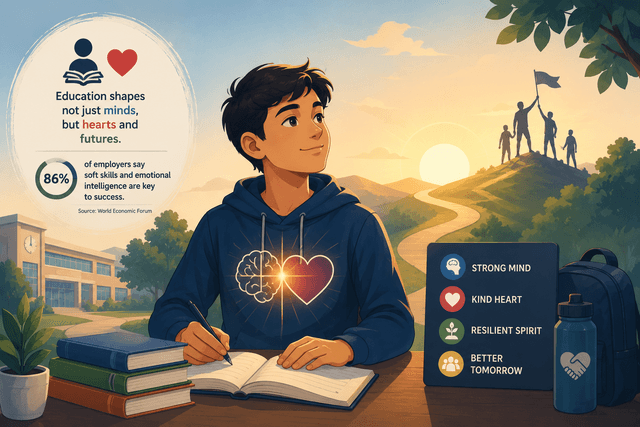
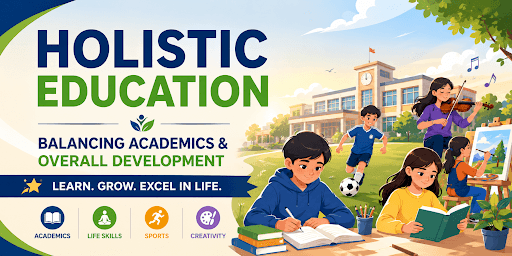
Education is most effective when learners are encouraged to explore their full potential, whether it is intellectually, emotionally, socially, or physically. Co-curricular activities bridge the gap between knowledge and real-life skills, making learning dynamic, engaging, and meaningful.
Schools like Drona Public School exemplify this holistic educational philosophy by integrating co-curricular activities into their core teaching framework, helping students become confident, creative, and well-rounded individuals ready to take on future challenges.
For more information on this and other such schools in the area, check out this list of the best schools in Gurgaon.








 as a preferred source on