







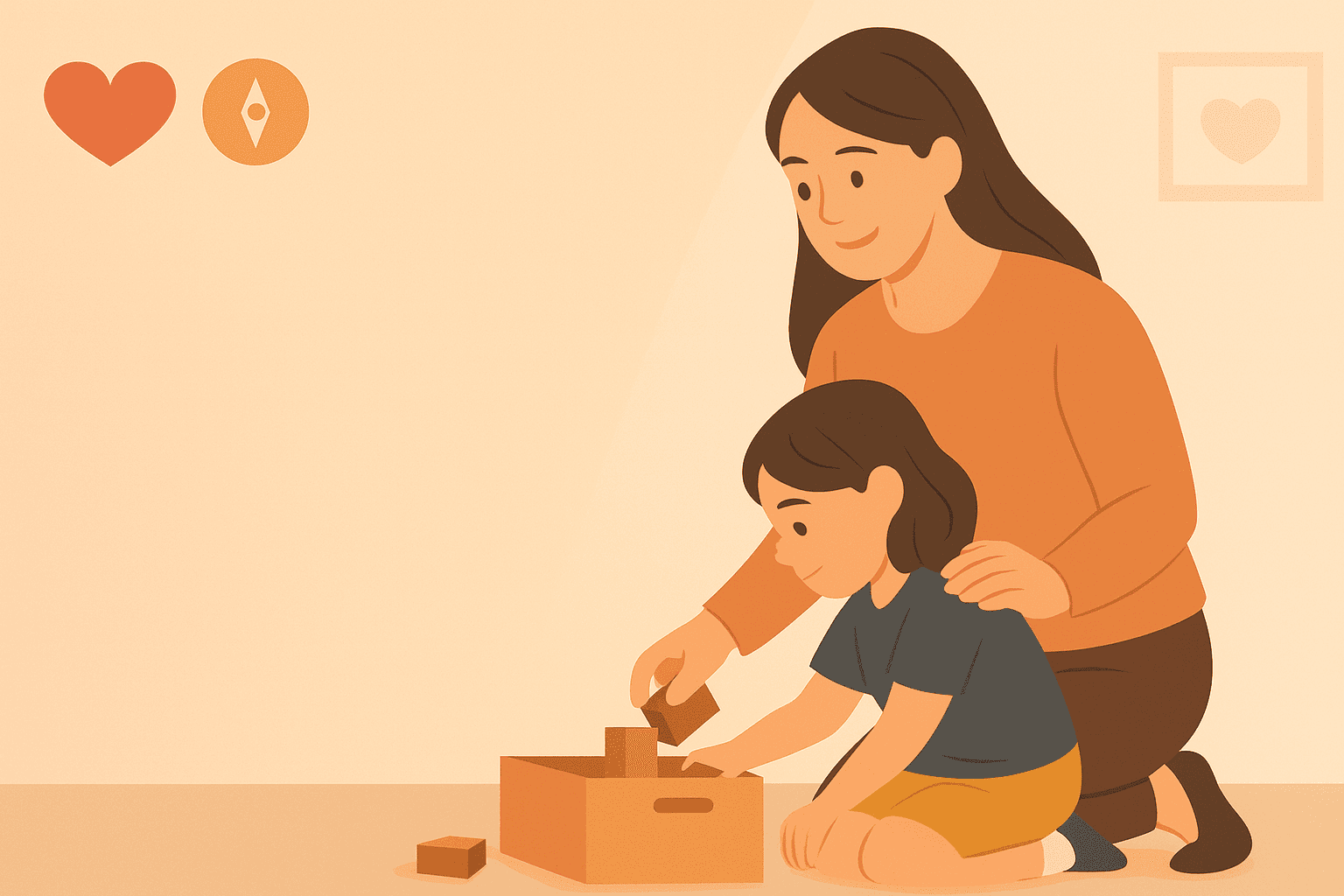

Raising children in an age of constant change can feel like walking a tightrope. Parents today strive to nurture kindness and empathy while also instilling boundaries, respect, and self-control. It’s not just about keeping children happy, it’s about helping them grow into responsible, emotionally secure, and confident individuals.
At American Montessori Public School (AMPS), one of the best schools in Gurgaon, this philosophy is deeply valued and reflected in its approach to holistic child development. The focus is on creating a nurturing environment where love and discipline go hand in hand where warmth provides emotional security, and structure helps children develop self-discipline, resilience, and integrity.
In this article, we’ll explore how balancing love and discipline can help parents create a secure foundation for their children, one that encourages growth, emotional strength, and lifelong values.
Also Read | The Ultimate Guide to Choosing the Right After-School Program at AMPS, Gurgaon
The Foundation: A Secure Home Environment
One of the greatest gifts parents can offer is a very secure home environment, a place where children feel safe, known, valued, and emotionally anchored. (This aligns with the guiding philosophy you mentioned.)
A secure home environment is not just physical safety (though that is vital), but also emotional safety:
- Children should feel they can express feelings of anger, sadness, confusion without being harshly judged or rejected.
- They should have predictable structures and routines, so their world feels dependable.
- There must be consistent availability from caregivers: not perfect, but reliably responsive.
- Trust and attachment must be nurtured, so children know mistakes do not sever their bond with their parents.
Why does this matter for discipline? Because when children perceive themselves as safe and loved, they are more open to correction, discussion, and internalizing values, rather than acting out of fear, rebellion, or shame.
Research shows that punitive harshness or inconsistency in discipline can damage trust, provoke resentment, or even worsen behavior, especially in emotionally insecure environments. Thus, before focusing on rules and consequences, cultivation of a secure home foundation is essential.
Discipline as Guidance, Not Punishment
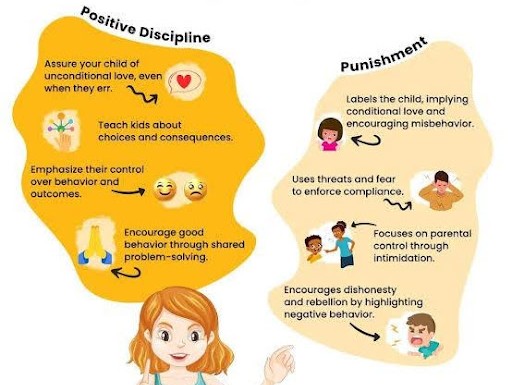
A key modern insight is: discipline is about teaching, not punishing. It is an ongoing process of guiding children toward self-control, internal values, and social responsibility not merely imposing penalties when they err.
Distinguishing Discipline vs. Punishment
- Punishment tends to be reactive, punitive, and focused on retribution or control. It often aims to make the child suffer or comply out of fear, without necessarily teaching better alternatives.
- Discipline, by contrast, is proactive, educative, and relational. It helps children understand why a behavior is problematic, explore better choices, and internalize self-regulation.
In practice, that means instead of “Because I said so” or “You’re punished,” a parent uses explanations, empathy, and restoration: “I know you were upset. When you hit, others feel hurt. Let’s think about what you could do next time, and how you can make amends.”
Guidance and Encouragement Over Harsh Penalties
One influential idea (endorsed by early-childhood education thinkers) is to shift from “discipline” in the punitive sense toward guidance helping children learn from mistakes and build social-emotional skills. The goal is for children to gradually learn internal motivation, rather than behaving only to avoid punishment.
For example:
- Instead of scolding a child for spilling something, pause and acknowledge their feelings (“I see you’re frustrated”), help them calm down, discuss what happened, and guide them toward a better next step.
- Use natural consequences when appropriate, for example, if toys aren’t put away, they remain off-limits the next day. Such experiences teach responsibility without resentment.
- Reinforce positive behavior by catching children doing things right and acknowledging them.
Key Strategies for Balanced Parenting

Here are a few strategiees that can help maintain a balance between love and discipline:
- Clear Communication & Mutual Respect: Explain rules and expectations openly. Children, regardless of age, need boundaries and they also need to know why those boundaries exist. Writing down family rules and displaying them can help keep consistency and accountability alive.
- Firmness with Empathy: Children naturally test limits. Respond with calm consistency. Being firm does not mean being harsh; it means following through with fairness and patience. This teaches accountability without fear.
- Empower Through Choices: Empowering children with age-appropriate choices helps them develop ownership over their behavior. Allow brief negotiations that instills confidence and decision-making skills. A child who feels heard is more likely to cooperate.
- Consequences with Compassion: Consequences should be respectful, relevant, and timely not acts of revenge or frustration. They must teach responsibility. When delivered with love and good intent, consequences become learning moments, not punishments.
- Positive Reinforcement: Focus on what your child does right more than what they do wrong. Praise specific actions (“You shared your toys today, that was kind”) rather than labels (“You’re a good boy”). This approach encourages a values-based sense of self and builds self-discipline.
- Encourage Independence: Let children take part in daily routines and self-care. Show them tasks step-by-step and let them try independently. The more capable they feel, the more confident and self-disciplined they become.
- Lead by Example: Children mirror what they see. A calm, respectful, and consistent parent becomes a powerful role model. When parents handle stress or conflict with composure, children learn emotional regulation through observation.
Here are a feew practical ways to keep this balance:
-
Keep family routines predictable, yet flexible.
-
When correcting, get down to your child’s eye level and speak calmly.
-
Use “I” statements (“I feel upset when you don’t listen”) to express feelings without blame.
-
After conflicts, reflect together on what could be done differently next time.
- Show affection, daily discipline lands best on the soil of unconditional love.
AMPS: Building Character through Love and Discipline
Established in 1995, American Montessori Public School (AMPS) is renowned as one of the best CBSE schools in Gurgaon. Offering education from Pre-Nursery to Grade XII, the school is known for its academic excellence, modern infrastructure, and holistic learning approach.

The campus features well-ventilated classrooms, advanced laboratories, digital learning tools, and dedicated spaces for sports, arts, and performing activities. Maintaining an optimal student–teacher ratio, AMPS ensures each child receives individual attention and mentorship to grow academically and emotionally. Rooted in the belief that one of the greatest gifts parents and educators can offer is a secure and nurturing environment, AMPS blends affection with structure in every aspect of its pedagogy.
Teachers guide with empathy and firmness, helping students understand discipline as a form of guidance not punishment. Classroom interactions encourage self-expression, emotional awareness, and responsible decision-making. Through its balanced approach of love and discipline, AMPS shapes confident, compassionate, and resilient learners children who not only excel academically but also carry the strength of character and empathy needed to succeed in life.
For more information on this and other such schools in the area, check out this list of the best schools in Gurgaon.






 as a preferred source on