







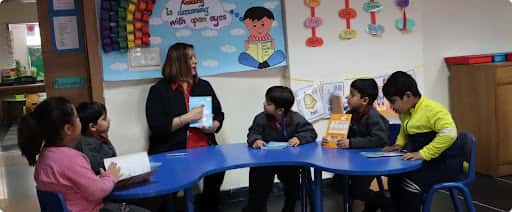

The modern definition of schooling has started to extend far beyond academic achievements, now encompassing emotional intelligence, creativity, physical health, ethical understanding, and real-world readiness. Parents, educators, and global thinkers now emphasise holistic development as the foundation for a student’s lifelong success.
To understand holistic development, it is important to understand what it means. Holistic development defines itself as nurturing all dimensions of a child’s potential: that includes intellectual, social, emotional, physical, and ethical. In a globalised society that demands adaptability, critical reasoning, empathy, and innovation, this approach has become central to meaningful education. Schools that embrace holistic frameworks help children not just learn, but thrive, in every aspect of life.
There is one educational model that stands at the forefront of holistic learning; the International Baccalaureate (IB), a globally recognised curriculum designed to develop well-rounded individuals equipped for a complex, interconnected world. Through inquiry-based learning, global citizenship, and student agency, the IB philosophy prepares students not just for exams, but for life.
At Manav Rachna International School (MRIS), Sector-14, Faridabad, this philosophy is implemented with deliberate intent. Designed to be one of the best schools in Faridabad, MRIS is recognised as Faridabad’s first IB Continuum School offering the Primary Years Programme (PYP), Middle Years Programme (MYP), and Diploma Programme (DP), thus blending holistic development with real-world application to nurture future-ready learners.
Real meaning of Holistic Development
An educational philosophy that not only prioritises the child in terms of intellect but also personality, social skills, physical well-being, emotional maturity, and ethical conduct. Rather than teaching subjects in isolation, holistic education integrates learning areas and life lessons, enabling students to connect knowledge with purpose. Core components of holistic development include:
- Emotional Intelligence: The ability to identify, understand, and manage emotions.
- Social Skills: Communication, teamwork, empathy, and respect for diversity.
- Physical Health: Strength, stamina, coordination, and well-being through sports and movement.
- Creativity & Critical Thinking: Curiosity, imagination, problem-solving, and innovation.
- Ethical Values: Responsibility, integrity, empathy, and civic awareness.
This comprehensive approach equips students for not just academic success, but also meaningful, fulfilling lives.
Also Read| Creating a strong sports culture alongside academics
Why Holistic Education Matters Today
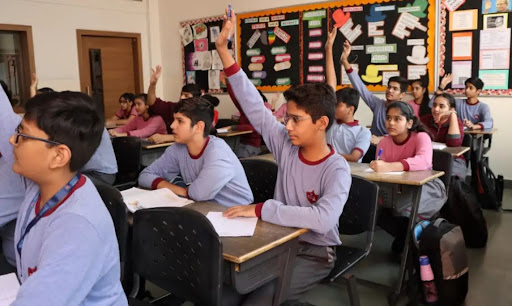
The 21st century has redefined success. The jobs are evolving, industries are transforming, and social landscapes are shifting fast. In such an era, students need more than textbook knowledge; they must be prepared to:
- Adapt to Change: Resilience in the face of uncertainty.
- Solve Real-World Problems: Ability to think critically and act creatively.
- Collaborate Across Cultures: Respect and understand diverse perspectives.
- Communicate Effectively: Express ideas with clarity and confidence.
- Lead with Ethics: Make decisions that reflect integrity and compassion.
Holistic education meets these needs by cultivating learners who are confident, self-aware, compassionate, and capable of navigating complex challenges. Rather than being passive recipients of information, students become active participants in their own learning journey.
The International Baccalaureate: A Framework for Wholeness
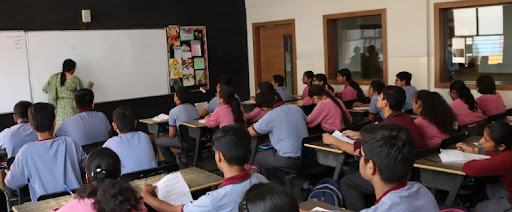
The International Baccalaureate (IB) is a curriculum framework that naturally aligns with holistic goals. It emphasises inquiry-based learning, interdisciplinary understanding, global mindedness, and real-world application.
At the heart of the IB are the 10 Learner Profile qualities, such as inquirers, thinkers, communicators, open-minded, and caring. All of these values guide students to become balanced, responsible global citizens ready for life beyond the classroom.
Unlike traditional models that emphasise rote memorisation, the IB curriculum encourages students to ask questions, make connections across subjects, and think deeply about their learning. It develops not just academic proficiency but intellectual independence and ethical awareness, which become traits that are vital for success in a rapidly changing world.
IB Programme Structure and Holistic Growth
The IB continuum comprises several programmes that correspond to different stages of student development:
- Primary Years Programme (PYP): Ages 3–12, focusing on foundational inquiry and concept-based learning.
- Middle Years Programme (MYP): Ages 11–16, promoting interdisciplinary learning and critical thinking.
- Diploma Programme (DP): Ages 16–19, preparing seniors for higher education and beyond.
Across all programmes, learning experiences are designed to integrate academic knowledge with personal growth, social understanding, and global awareness.
Holistic learning under the IB framework focuses on:
- Inquiry-Led Projects: Encouraging curiosity and student-driven discovery.
- Reflection & Action: Helping students connect learning with ethical action and service.
- Approaches to Learning (ATL): Developing skills in research, communication, self-management, and social collaboration.
- Community Engagement: Embedding service and awareness of real-world issues into education.
Also Read| Is IB the Right Choice for Your Child?
Social-Emotional Development in an IB Environment
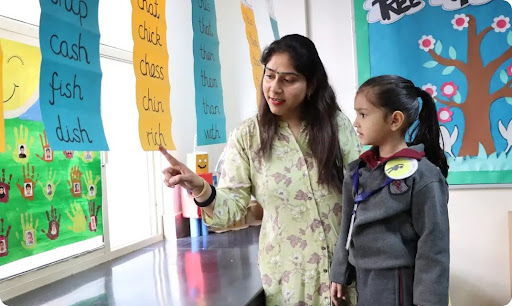
Holistic education places emotional intelligence at the core of learning. In an IB setup, students are encouraged to reflect on their thoughts, actions, and emotions thus building resilience, self-awareness, and empathy.
Activities such as collaborative projects, guided reflections, and community service help students:
- Understand their own strengths and challenges
- Develop meaningful relationships with peers
- Respect diversity and multiple perspectives
- Learn how to work constructively in teams
These skills support a balanced approach to life, enabling students to face setbacks with confidence and creative thinking.
Creativity, Arts, Physical Education, and Life Skills
True holistic development includes rich opportunities beyond core academics:
- Creative Expression: Music, visual arts, drama, and design give students outlets for imagination and self-expression.
- Sports & Physical Health: Regular physical activity builds stamina, teamwork, discipline, and mental well-being.
- Life Skills & Well-Being: Skills such as time management, decision-making, and stress management become integral to the learning process.
By integrating these areas into daily routines, schools enable students to discover passions, build confidence, and develop balanced personalities.
MRIS-14, Faridabad: IB Holistic Development in Action
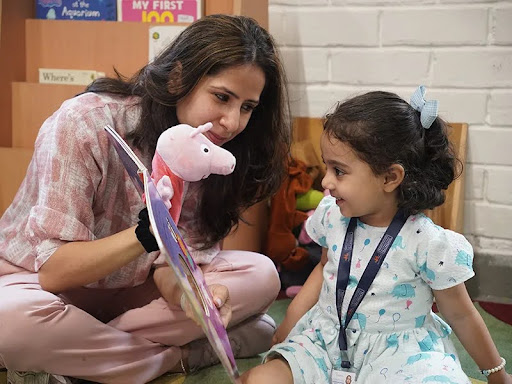
Manav Rachna International School, Sector-14, Faridabad, stands out as a leading example of how holistic development can be woven seamlessly into school life. As the first IB Continuum School in Faridabad, MRIS-14 offers the full spectrum of Primary Years (PYP), Middle Years (MYP), and Diploma Programme (DP) curricula, providing continuity and progressive learning for students from early years to senior secondary levels.
A Curriculum That Inspires Inquiry and Purpose
At MRIS-14, learning goes beyond memorising textbooks. The inquiry-based IB curriculum encourages students to ask meaningful questions, explore concepts deeply, and connect knowledge to real-world situations. Inquiry units help students relate classroom learning to their own experiences and global issues, creating relevance and personal investment in discovery.
The school emphasises interdisciplinary learning, enabling students to see patterns across different subjects and develop a richer understanding of complex topics. This not only enhances academic performance but also nurtures critical thinkers and lifelong learners.
Global Citizenship and Ethical Responsibility
MRIS-14’s philosophy emphasises international mindedness, thus encouraging students to explore cultural diversity, ethical decision-making, and global challenges. Through community service initiatives, collaborative projects, and reflective practices, learners develop empathy, respect for others, and a sense of responsibility toward the world.
Inclusive Learning & Personal Growth
Holistic development means meeting each learner’s individual needs. MRIS-14 promotes personalised learning and inclusive practices through:
- Tailored academic support for diverse learners
- Special Education and Occupational Therapy services
- Student counselling programs to support social-emotional well-being
These components ensure that every student, regardless of learning style or pace, can thrive, grow, and contribute meaningfully to the school community.
Creative Arts, Sports, and Real-World Learning
MRIS-14 supports holistic growth through extensive opportunities in:
- Arts and Performing Arts to develop imagination and emotional expression
- Sports and Physical Education for teamwork, discipline, and fitness
- STEAM and Future Skills Zones for innovation and creative problem-solving
These programs help students explore interests beyond academics and learn through doing.
A Safe, Supportive, and Global Campus
The school features modern infrastructure, from technology-enabled classrooms to labs and green spaces that foster collaboration, creative experimentation, and emotional comfort. The focus on student well-being is evident in everyday interactions, community activities, and a culture of mutual respect.
Parent testimonials highlight the nurturing environment at MRIS-14, where students not only excel academically but also embrace confidence, curiosity, and kindness in their learning journey.
Conclusion
Holistic development is no longer a supplementary approach; it is, in fact, essential for preparing students for a complex, dynamic world. The International Baccalaureate framework offers a robust structure for fostering well-rounded learners who think critically, act ethically, communicate effectively, and make meaningful contributions to society.
At Manav Rachna International School, Sector-14, Faridabad, this philosophy comes to life. By embracing global perspectives, inquiry-based learning, emotional intelligence, creative exploration, and real-world engagement, MRIS-14 fosters an environment where students are encouraged not only to learn but also to become leaders, innovators, compassionate citizens, and lifelong learners, ready for the challenges of tomorrow.
For more information on MRIS and other similar schools, check out this list of the best schools in Faridabad.
 as a preferred source on