







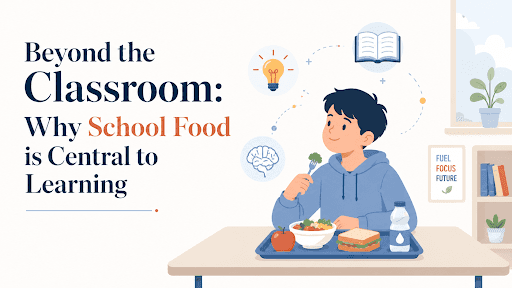

Is learning just confined to the textbooks? Should the effort of learning at school stop the moment we get out of the classroom? Are we so focused on providing smart classrooms and better curriculum to our little ones that we are forgetting to look at what they eat?
Maslow’s Hierarchy Theory states that individuals seek to satisfy their needs based on a hierarchical model. More basic physical needs should be satisfied completely or substantially to reach higher-level needs such as cognitive, aesthetic, self-actualization, and transcendence needs. Therefore, if students are hungry, they will suppress all other higher-order needs, including active engagement in the learning process, to satisfy hunger, since their motivational priority is hunger.
Therefore, schools need to make sure that their children are well fed, because a full stomach leads to fuller learning. And through this article, we’ll try to explain the importance of wholesome, balanced meals and how one of the best boarding schools in Bangalore, Redbridge International School, is achieving the same through their cafeteria.
The Science: How Food Directly Impacts Learning

Food is very important for survival. Not only is it a form of sustenance, but it is also a way to live through the ages. However, multiple studies have shown that there is a very strong relationship between food and learning. Emotional eating is a term used to define eating to feel better when you're upset, such as when you're stressed, angry, scared, bored, or lonely. In a Harvard Medical School article, studies have shown that the risk of depression is 25% to 35% lower in those who eat a traditional diet. Scientists account for this difference because these traditional diets tend to be high in vegetables, fruits, unprocessed grains, and fish and seafood, and to contain only modest amounts of lean meats and dairy.
Ironically, the relationship between Learning and Food is very similar to that between Emotions and food. According to a study, high-fat and high-sugar foods are highly rewarding, and excessive consumption leads to enduring alterations in brain regions involved in learning, memory, and reward. Another study also concluded that nutritional practices significantly impact academic performance among school children. Improving dietary habits can enhance cognitive functions and academic outcomes, emphasizing the need for better nutritional education and interventions in schools.
The study also found a significant correlation between balanced dietary practices, including regular intake of fruits and vegetables, and higher academic achievement. Studies show that 88.2% of children have three regular meals daily, 88.9% have breakfast consistently, and 24.8% of children have excellent school performance. Children with poor dietary habits exhibited lower academic performance compared to those with healthier diets.
Also Read| Strong Academics with Real World Relevance
The Hidden Layer: Cafeteria Design Matters Too
Now that we have established the importance of the food, there is one more perspective that we need to consider: the environment of the place of eating, or the cafeteria.
Choice Architecture
Students are more likely to eat healthy when healthy options are easily accessible and attractively presented. The way food is displayed, the variety available, and even how choices are structured can significantly influence what children pick—and ultimately consume.
Time Matters
In many schools, lunch breaks are rushed. Students are expected to eat quickly and move on. But eating isn’t a task to be completed—it’s a process. Research suggests that giving students adequate time to eat leads to better food consumption and improved nutrition.
Behavioral Impact
The dining environment—noise levels, seating arrangements, and overall atmosphere—also plays a role in shaping eating habits. A calm, well-organized cafeteria encourages mindful eating, while chaotic environments can lead to rushed, incomplete meals.
In short, a well-designed cafeteria isn’t just about logistics. It’s about creating a space that supports healthy behavior.
What An Ideal system looks like
Despite growing awareness, there are many cafeterias that still are going very heavy on pre-packaged snacks, quick bites, etc. Because of their ease and taste, these options are always preferred by the schools. However, these options are not nutritious or healthy, which will result in a lack of energy required for sustenance.
However, when schools actually start to think about food as a factor to support learning, then it needs to be approached with the intentions of academics. And that means going above and beyond basic provision, and instead working on things like design.
Balanced, Nutritious Meals
Meals should include a mix of essential nutrients—proteins, carbohydrates, vitamins, and minerals—to support both physical and cognitive development.
Variety and Appeal
Children are more likely to eat what they enjoy. Offering a diverse menu that balances nutrition with taste ensures that healthy food doesn’t go uneaten.
Structured Meal Times
Adequate time for meals allows students to eat properly, aiding digestion and ensuring they receive the full nutritional benefit.
Integration with Learning
Food can also become a part of the educational experience—teaching students about nutrition, healthy choices, and the importance of balanced diets.
When schools adopt this approach, food stops being a background service and becomes a key pillar of the learning ecosystem.
Read Further| Organic Farming in Schools Shapes Well-Rounded Students
Bringing the Idea to Life at Redbridge International
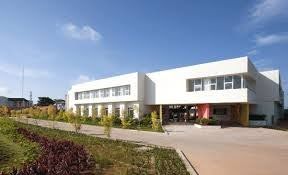
Some schools are beginning to recognize this shift and are rethinking how they approach food on campus.
A clear example of this practice can be seen at one of the best CISCE boarding schools in Bangalore, Redbridge International School, and how the school is investing in well-maintained, hygienic cafeteria facilities with a clear focus on balanced meal planning.
In such environments, meals are designed to be both nutritious and appealing. Hygiene standards are maintained consistently, and care is taken to ensure that students have access to wholesome food options throughout the day.
More importantly, this approach reflects a deeper understanding: that learning doesn’t pause outside the classroom. It continues in the spaces where students eat, interact, and recharge.
Rethinking the Role of Food in Education
As education continues to evolve, schools are rightly focusing on innovation, skills, and holistic development. But in the pursuit of the future, it’s worth paying attention to the fundamentals.
Food is not just fuel. It is a foundational element of how students experience their day—and how effectively they learn from it.
Schools that recognize this are not just improving their cafeteria facilities; they are strengthening their entire learning ecosystem. And Redbridge International School is holding this true in all senses.
Because in the end, the future of education isn’t just being built in classrooms.
It’s being built in cafeterias, too.
For more information on this and other similar schools in the area, check out this list of the best boarding schools in India.

 as a preferred source on