





Children learn to solve maths problems, remember facts, and prepare for exams. But get very little opportunity to question an idea, defend an opinion, or understand a viewpoint different from their own.
Not all problems have simple answers in the real world. People can have different opinions about education, the environment, technology, or social issues. People need to check facts, look into different perspectives, and find practical solutions. These abilities are as important as academic knowledge for children.
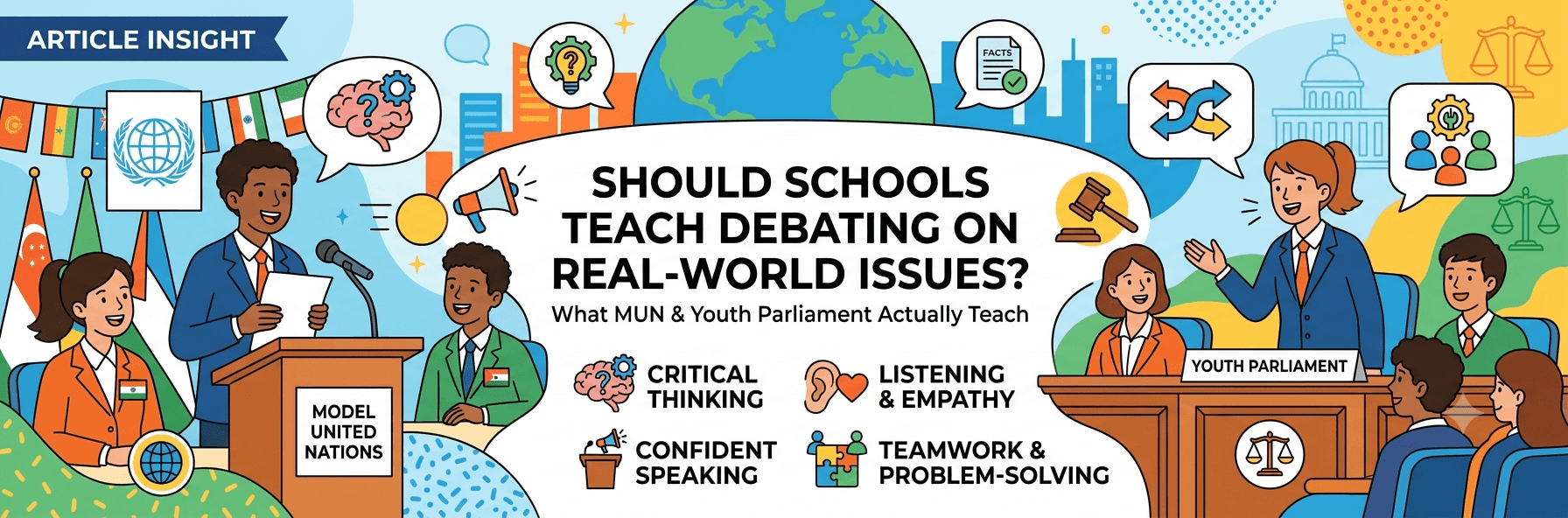
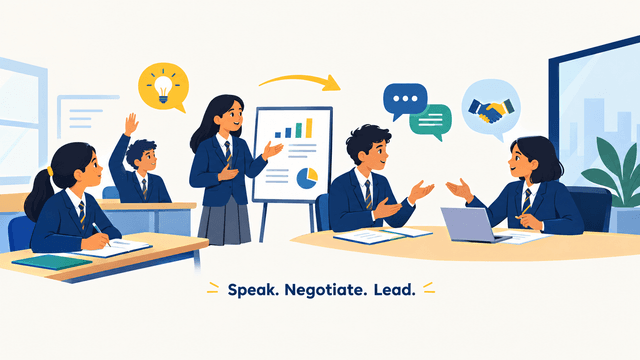
This is where school debates, Model United Nations (MUN, and youth parliament come in. They give children the opportunity to deal with real-world problems in an organised environment. They help children to think critically, speak confidently, listen carefull,y and to engage with others effectively.
Also Read| Beyond Coding: What Children Learn Through Robotics
What is Model United Nations?
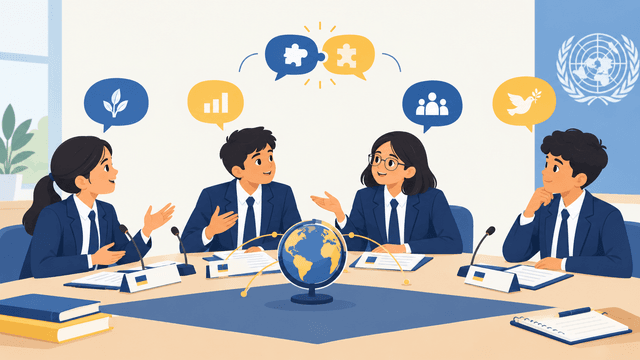
Model United Nations, also known as MUN, is a school-based activity based on the work of the United Nations. In this activity, students play the role of representatives of different countries. Students need to research their country and understand the issue they will speak on. After that, they give speeches, listen to others' speeches, discuss the issue, ask questions, and try to find solutions.
For instance, suppose the student is going to give a speech on climate change. He needs to think about climate change from the point of view of the country he is representing. This not only helps students speak clearly but also helps them do research, understand different points of view, and work with others. Students also learn skills like discussion, negotiation, and teamwork.
What is youth parliament?
Youth parliament is also a school activity in which students play roles similar to lawmakers. They talk about issues in the country and society, present their point of view on the issues, and also talk about possible solutions. Sometimes, they also prepare and discuss mock bills if the format allows.
For instance, they may talk about topics related to education, health, social issues,s or economic development.
Youth Parliament helps students understand how parliament works, what its democratic values are, and the importance of listening and respecting others' points of view.
The main difference between MUN and Youth Parliament is that MUN focuses on global issues and helps to understand international relations, and Youth Parliament helps to understand the parliamentary and democratic system of India.
What Do Children Actually Learn From These Activities?
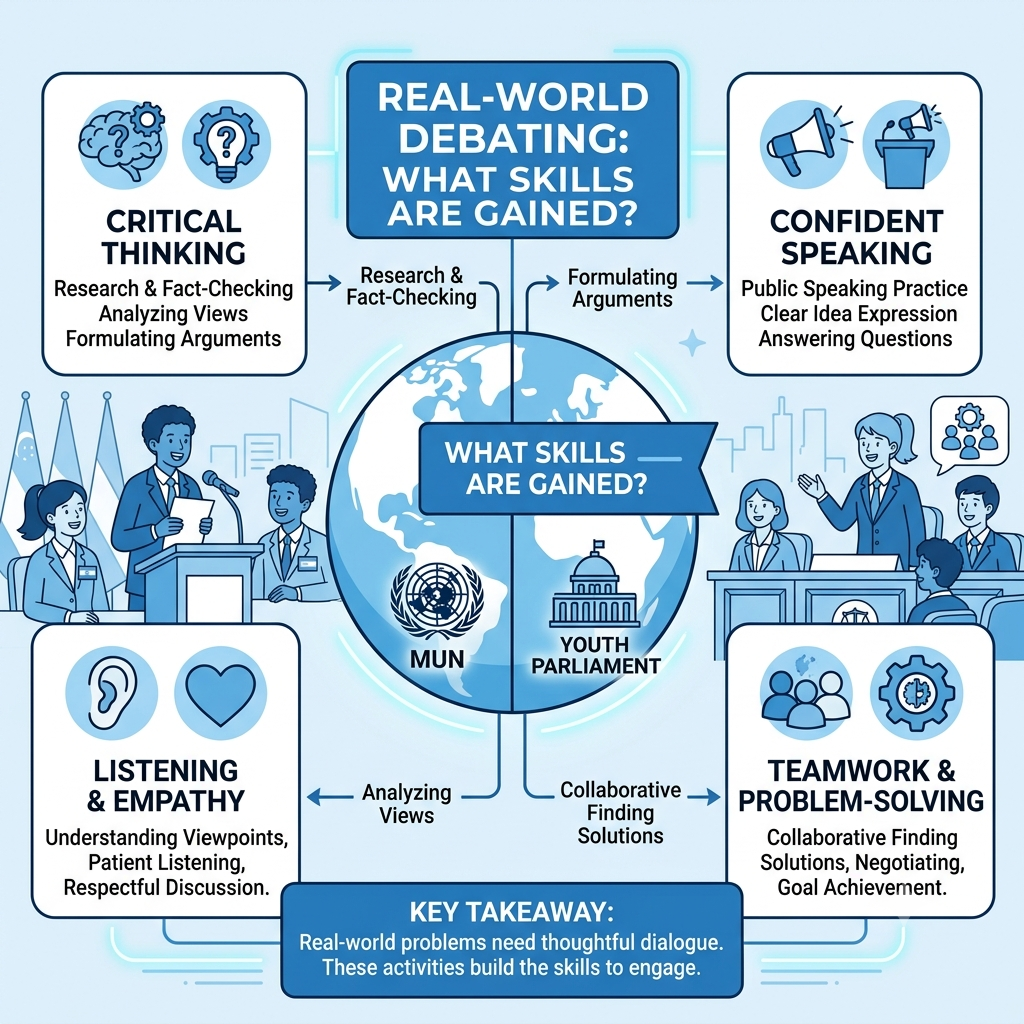
MUN and Youth Parliament not only help students to become better speakers. They learn many useful skills which help students in school and later in life.
They learn to think before they speak.
Students need to do proper research on the topics and understand them. They also need to support their ideas with information and facts. They cannot simply give an opinion and stop.
This teaches students to ask questions like: Why do I think this? What are the facts? Can we look at this problem in another way? This helps students become better critical thinkers.
They Become Better at Speaking
Many student find it difficult to express their ideas even when they have very good ideas. Participating in debates helps them to speak regularly in front of others. They learn how to put their thoughts in order, explain an idea, and answer questions.
With regular practice, this makes students more comfortable speaking in the classroom, group discussions, and in many other situations.
They learn to understand other people.
When students represent a country or an opinion that is different from their own, they learn that another person can think differently without being wrong or right. Students start to understand that people may have different experiences, problems, and priorities.
This helps students in the real world when they meet people with different opinions.
They learn teamwork and problem-solving
One person always cannot solver real-world problem. During MUN and youth parliament, Students express their ideas, listen to others, and try to find practical solutions with other students that can work for different people.
This helps students to learn that disagreement with someone is normal,l and the important thing is to find a way forward.
How Can Parents Tell If Their Child Is Learning from These Activities?
Parents can observe small changes in the way their children speak and think. When the children stop simply saying that it is right or wrong. And start explaining why they believe that, when they start asking more questions, checking facts, or listening more patiently when someone has different opinion.
Not every child likes to speak in front of a large audience. Some children like to research or prepare an argument. They can still learn a lot from these activities. The goal is not to make every child a great speaker but to help them to think for themselves, express their ideas, and respect everyone‘s views.
Also Read|
How Meru International School Gives Students Opportunities to Debate
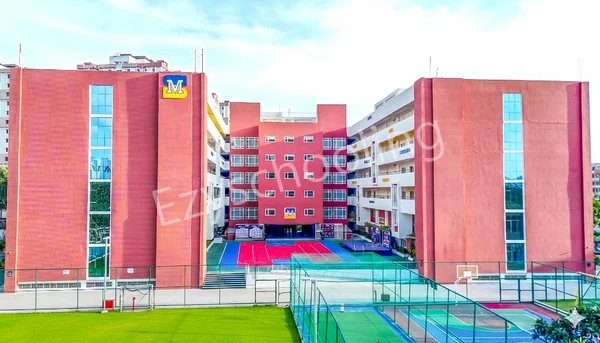
Meru International School, Miyapur, gives students opportunities to explore these skills through its MUN programme and Meru Youth Parliament. In MUN, students talk about global issues and think about possible solutions through mock committee sessions. Meru Youth Parliament helps students understand the parliamentary system of India, where they debate real issues and prepare hypothetical bills. In both the activities, students get a chance to practise research, discussions, and decision-making.
Learning to Disagree Is Important Too
In life, Children will meet people who think differently from them. They may disagree with a classmate, a friend, or even their parents. The most important part of growing up is to handle situations like these.
MUN and youth parliament give students an opportunity to practise these skills in school. They learn how to ask better questions, express their views, and listen to others. They also learn that not agreeing with something does not always mean they are wrong. Sometimes, listening to someone else's point of view also helps children to understand the problem better or even change their opinion about the problem. All these lessons help students to become better at decision-making and take part in discussions with good understanding.
Wanna explore more about this school and others in the nearby area? Visit
 as a preferred source on