







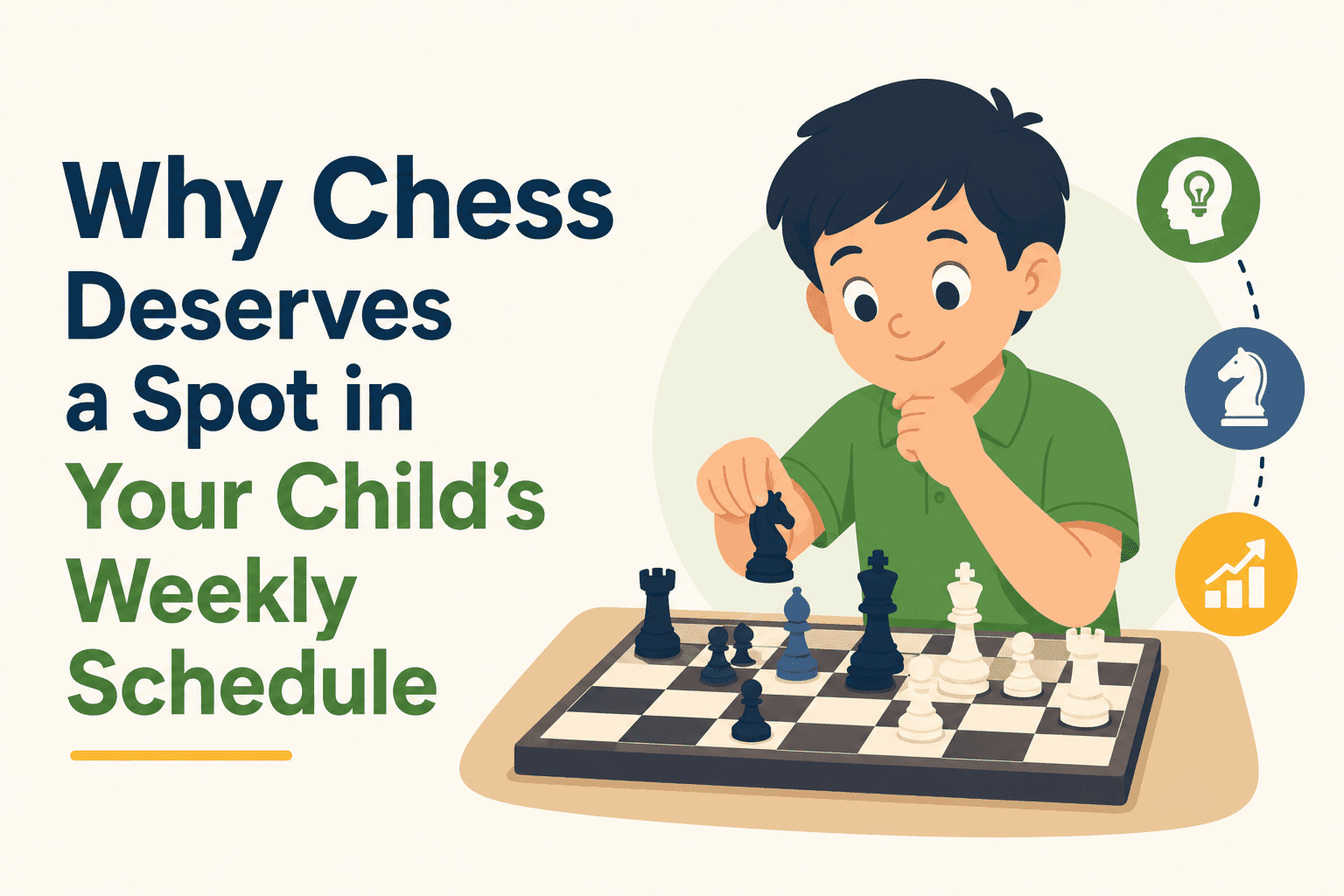

Walk into almost any parenting forum today, and you'll find someone asking the same question: "What's one activity that actually helps my child think better?" More often than not, chess comes up as the answer. It's quiet, it's inexpensive to start, and unlike a lot of trending extracurriculars, its benefits are backed by decades of research rather than just marketing copy. That's part of why one of the top online schools, The World Ecademy, has built structured, coach-led chess programs specifically for young learners, thus providing parents something real.
But before getting into what a structured program looks like, it's worth understanding why chess, out of all the games a child could play, earns this kind of attention.
The Game That Trains the Brain Without Feeling Like Training
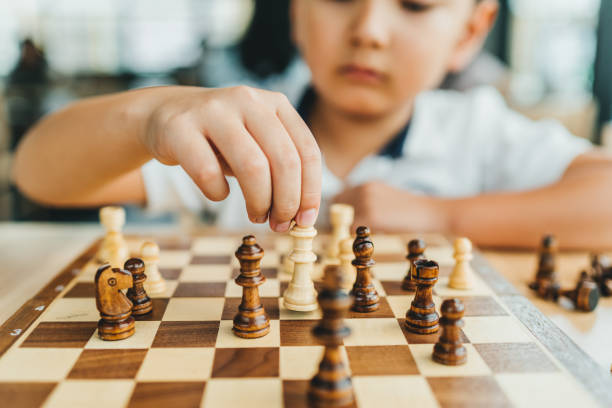
Chess is unusual in that it teaches through play rather than instruction. A child isn't sitting through a lecture on planning or patience; instead, they're absorbing both simply because the game demands it. Every move forces a small decision, and every decision has a visible consequence a few moves later. That feedback loop is where most of the learning happens.
Strategic thinking and planning. Chess is often described as "thinking two steps ahead," but it's really thinking in branches. Children who play regularly get comfortable holding multiple possibilities in mind at once, a skill that transfers surprisingly well to subjects like math and science, where problems rarely have a single obvious path to the answer.
Patience and concentration. In a world of short-form videos and instant rewards, chess asks them to sit still, think it through, and not rush. A single game can run 20 to 40 minutes, and a child has to stay mentally present for all of it. Coaches and parents alike report that kids who stick with chess for even a few months show noticeably longer attention spans in other settings too, from homework to classroom discussions.
Decision-making under pressure. Every chess move is a decision made with incomplete information and a ticking clock (literally, in timed formats). Children learn to weigh risk versus reward, commit to a choice, and then live with the outcome. This is a muscle that serves them well beyond the board, whether they're picking a topic for a school project or deciding how to handle a disagreement with a friend.
Memory and pattern recognition. Strong chess players don't calculate every position from scratch; they recognize patterns like a certain pawn structure, a familiar trap, or a standard endgame technique. Building this pattern library sharpens visual memory and the ability to spot recurring structures, a skill that quietly helps with everything from reading comprehension to recognizing formulas in math.
Emotional resilience. This one doesn't make it onto most brochures, but it might matter the most. Chess has no teammate to blame, no luck of the dice. A loss is entirely the result of a decision you made. Children who play regularly learn to process that kind of direct feedback, shake it off, and come back sharper. It's one of the gentlest, lowest-stakes ways to teach a child that losing is part of getting better at anything.
Also Read | Ten-Minutes Lessons Beat Hour-Long Classes
When and How to Start
Most coaches agree that children as young as 6 or 7 can start learning the basics — how the pieces move, simple checkmates, and the value of each piece. Younger than that, the abstract thinking chess requires is often still developing, so the priority should be fun over formal rules. There's no harm in introducing an 8x8 board earlier through simplified games or piece-movement puzzles; the real strategic training tends to click in a bit later.
For parents wondering how to introduce it at home, the simplest starting point is just playing casually — no clocks, no notation, just moves and conversation about why a move might be good or bad. From there, puzzle apps, weekend tournaments at local clubs, and eventually structured coaching are natural next steps as a child's interest grows.
Also Read | Digital Learning Helps Students Build Multiple Skills
What a Structured Program Adds

Casual play is a great starting point, but it has a ceiling. Left to figure things out alone, most children plateau after learning the basic rules — they know how the pieces move but not why certain moves are stronger than others. This is where a properly structured program makes a real difference, and it's the gap that one of the best NIOS online schools in India, The World Ecademy's chess program, is designed to close.
The program is built as a progression rather than a single class. Beginners start with the fundamentals — the board, the pieces, opening principles — before moving into middle-game tactics and endgame technique, with regular online tournament practice woven in so learning isn't purely theoretical. Small batch sizes (10 to 20 students) keep sessions interactive, and classes run twice a week, 60 minutes each for individual batches or 45 minutes for school groups, over a 3-month beginner track (7 months for school partnerships), with advanced batches available once that foundation is in place.
What tends to matter most to parents, though, is who's teaching. The World Ecademy's chess sessions are led by FIDE-rated instructors with a track record of coaching 500+ students, which means feedback isn't generic — it's personalized to how a specific child is thinking through the game, with regular internal tournaments to put that learning into practice. For families who'd rather their child learn from someone who's played the game seriously themselves, that credential difference is exactly what separates a hobby app from real coaching.
Whether a child ends up playing competitively or simply picks up better focus and decision-making along the way, chess is one of the rare activities where the "side effects" are often more valuable than the game itself.
To know more about other online schools, click on the link below
 as a preferred source on