









Every parent of a sports-mad kid hits the same wall eventually. The child's talent is obvious early on; maybe it’s cricket, maybe swimming, but regular day-school life just isn’t built for it. Morning practice clashes with the school bus. Tuition eats into evening training, and as the sport gets more serious, squeezing it into “spare time” stops working altogether.
This is the exact spot where many parents searching for top Boarding schools in Delhi get stuck. Do you pull back on the sport to protect academics? Or fight a losing battle trying to do both, exhausted, every single day?
Boarding schools are quietly becoming the answer to this tug-of-war. When training, recovery, and academics are all built into the same campus and the same schedule, the child isn’t choosing between two lives anymore. They’re just living one, properly structured.
Sehwag International School is a clear example of this shift in action, and it's one of the biggest reasons it keeps coming up in these conversations.
Also Read: Common Myths About Boarding Schools That Parents Still Believe
How Boarding Schools Actually Build Better Athletes

Sports are not something that one day you hit a six and boom the next day you’ll be sent to nationals. It is a form of discipline that improves with repetition and consistency.
Here’s why the boarding model tends to produce stronger athletes than a regular day school setup:
Training happens when the body’s ready for it
Morning slots, the best time for building fitness and technique, are built into the daily schedule instead of being sacrificed for a school bus or homework deadline.
Coaches see the child every day and not twice a week
Daily contact means technique gets corrected in real time, instead of a bad habit getting repeated for weeks before anyone notices.
Recovery is planned, not squeezed in
Sleep, meals, and rest are timed around training load, so the body actually gets to recover instead of running on whatever time is left after tuition.
Nutrition is built around performance, not convenience
Meals are structured for an athlete’s needs, not whatever’s quick to make after a long day of school and travel.
Consistency replaces convenience
A child doesn’t skip practice because of exam pressure or a tired parent that day; the routine simply continues, day after day.
Peer environment reinforces discipline
Being surrounded by other kids equally serious about their sport removes the need for constant parental push. Motivation becomes part of the daily culture, not a battle.
Day School vs. Boarding School: Where Young Athletes Actually Grow Faster
Put both models side by side, and it stops being about who's more talented. It's really just about who gets more time, more consistency, and fewer things pulling them away from the sport.
|
Basis |
Day School |
Boarding School |
|
Training Time |
Whenever the week allows |
Fixed daily slots, often early morning |
|
Practice within school hours |
Hard to manage; clashes with regular classes |
Built into the daily schedule, no clash |
|
Coaching contact |
A few hours, a few days a week |
Daily, consistent supervision |
|
After-school training |
Team scattered; some leave, some stay back, no consistency |
Entire team present and training together, every day |
|
Commute disruption |
Has to go back home, cutting into practice/recovery time |
No commute; more time stays with training and rest |
|
Recovery |
Whatever’s left before bed |
Planned around training load |
|
Consistency |
Frequently disrupted by academics/travel |
Rarely disrupted, it’s the routine |
|
Weekly training hours |
Roughly 4-5 hours on a good week |
Often double that or more |
Also Read: Can Sports Shape Better Leaders? Inside the Culture of Sehwag International School
Sehwag International School: Building Tomorrow's Sportsmen
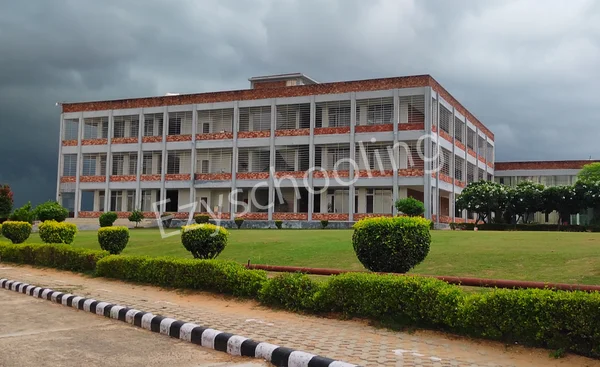
If you’re a parent searching for a top school in Gurgaon that actually takes sports seriously, chances are you’ll land on Sehwag International School sooner or later. And honestly, the name alone tells you half the story. Founded by cricket legend Virender Sehwag himself, this isn’t a school that added sports as an afterthought. It was built with the idea in mind from day one, spread across a sprawling 23-acre campus that gives every sport the room it actually needs to grow.
Walk through the campus, and it’s clear this isn’t a “one cricket pitch and a badminton net” kind of setup. The Sports Academy here includes:
- A fully equipped, state-of-the-art multi-gym
- International-standard facilities for athletics, basketball, badminton, football, golf, equestrian, lawn tennis, table tennis, and squash
- An all-weather swimming pool
- Two mini football fields plus a full international-size football ground
- Floodlit grounds, because apparently even the sunset doesn’t get to end practice early
What really stands out, though, is what happens off the field. Coaches here aren't visiting once or twice a week; they're around every single day, working closely with students and correcting technique before bad habits even set in. The staff is made up of genuinely experienced, qualified professionals, and both trainees and coaches stay on campus in comfortable, air-conditioned residential facilities, which keeps the entire program running like clockwork instead of around everyone's individual schedules.
This is really the piece that makes the biggest difference for parents. At SISJ, a child doesn't have to choose between chasing a sport seriously and keeping up with academics. The entire structure of the school, from the training slots to the coaching to the daily routine, is designed so a young athlete can push hard on the field and still stay on top of their studies, without one constantly eating into the other.
For parents still torn between chasing their child's sporting dream and protecting their academics, the honest answer is that it was never really an either-or choice. It just needed a school built around both, instead of one at the cost of the other.
For more information regarding residential schools with great sports facilities







 as a preferred source on