








When parents think about their child's education, the classroom is often the first thing that comes to mind. Questions about academic performance, examination results, and subject proficiency naturally take centre stage. After all, education has long been associated with marks, report cards, and measurable achievements.
But if we reflect on our own lives, the lessons that shaped us most profoundly often did not come from textbooks alone. They came from moments of courage when we stood on a stage and spoke before an audience for the first time. They came from the playground, where we learned teamwork, resilience, and how to cope with both victory and defeat. They came from experiences that taught us confidence, empathy, leadership, and perseverance.
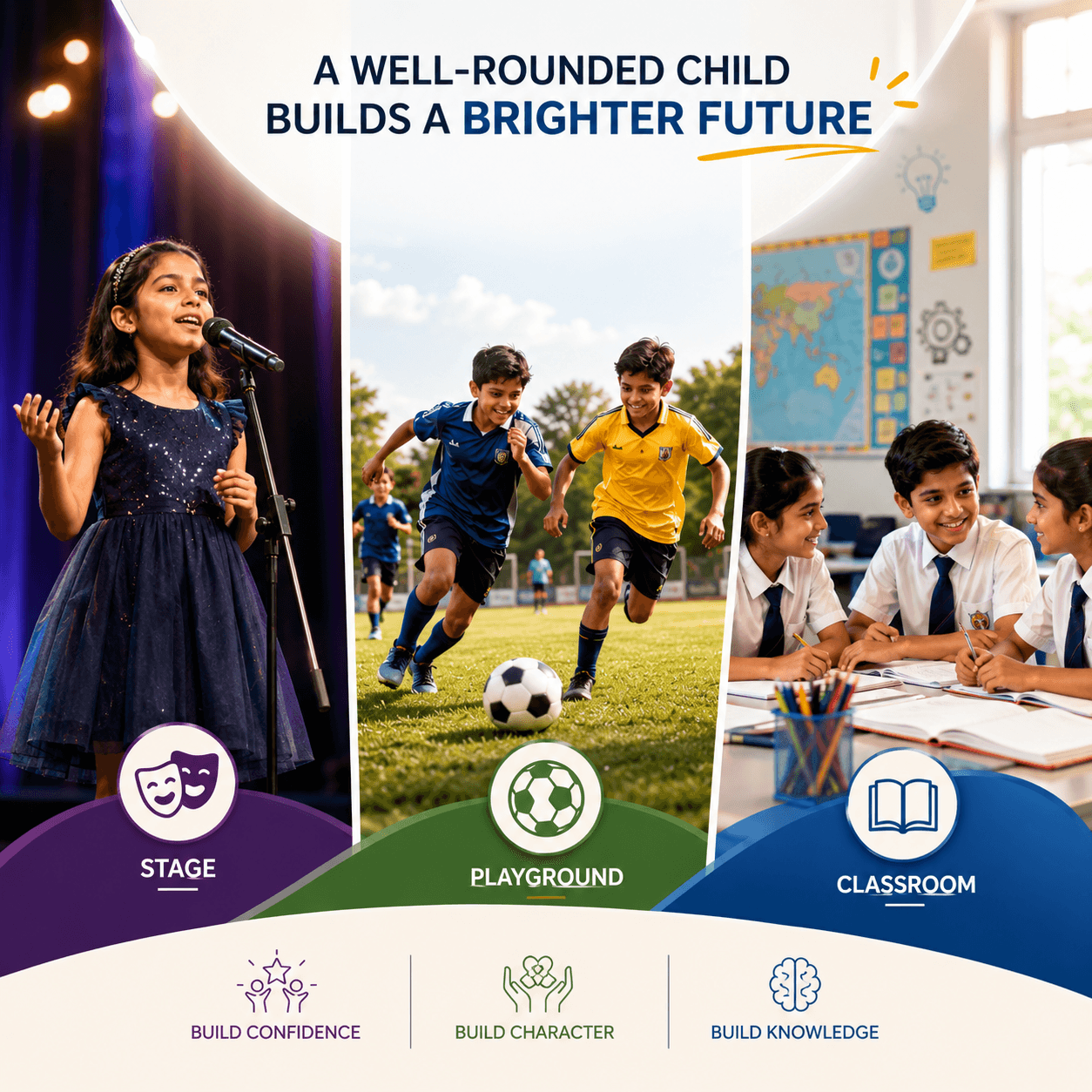
In today's rapidly changing world, these experiences are no longer optional additions to education. They are essential components of it. A child needs a classroom to build knowledge, a playground to build character and a stage to build confidence. Together, they create the foundation for lifelong success. This has been taken into account by one of the schools in Bangalore, Kesar The International School, in different ways. Let’s see how.
Also Read| Where Robots Teach You More Than Books at Kesar The International School
The Classroom: Where Learning Begins
Academic learning remains one of the most important pillars of education. A strong classroom environment helps children develop literacy, numeracy, analytical thinking, and subject expertise. It introduces them to new ideas, expands their understanding of the world, and equips them with the knowledge needed for higher education and future careers.
However, the purpose of education is not simply to help children remember information. The most effective classrooms encourage students to ask questions, explore concepts, and think critically about what they learn. They move beyond memorisation to foster understanding.
When children learn how to think rather than what to think, they become independent learners capable of navigating an increasingly complex world. Yet knowledge alone is only one piece of the puzzle.
The Playground: Where Character Is Built
Some of life's most valuable lessons cannot be taught from behind a desk. They are learned on sports fields, basketball courts, running tracks, and playgrounds.
Sports teach children how to work towards a goal, collaborate with others, and remain disciplined even when progress feels slow. They learn that success requires consistent effort and that setbacks are often stepping stones to improvement. A child who loses a match learns resilience.
A child who supports a teammate learns empathy. A child who commits to regular practice learns discipline. These experiences shape character in ways that academic lessons alone cannot.
Research consistently highlights the connection between physical activity and improved concentration, emotional well-being, and academic performance. More importantly, participation in sports helps children develop the confidence to face challenges both inside and outside the classroom. The playground teaches a simple but powerful truth: winning is important, but growth is even more important.
The Stage: Where Confidence Comes Alive
Many children possess remarkable ideas, talents, and potential. What often determines whether they thrive is their confidence in expressing those abilities. This is where the stage becomes transformative.
Whether through public speaking, theatre, music, dance, debates, or cultural programmes, performance opportunities help children discover their voice. Standing before an audience teaches children how to communicate clearly, manage nervousness, and present their thoughts with conviction. Over time, these experiences build self-belief that extends far beyond the performance itself.
Confidence gained on stage often appears elsewhere—in classroom discussions, leadership roles, interviews, and future professional environments. In a world where communication and collaboration are increasingly valued, the ability to express ideas effectively has become one of the most important life skills a child can develop. The stage is not simply a platform for performance. It is a platform for personal growth.
Why Balanced Development Matters More Than Ever
The future will reward individuals who can combine knowledge with creativity, expertise with adaptability, and intelligence with emotional awareness. Employers increasingly seek people who can solve problems, communicate effectively, collaborate with others, and adapt to change. Universities look for students who demonstrate initiative, leadership, and well-rounded development alongside academic achievement.
.png)
These qualities emerge when children are given opportunities to learn in multiple environments.
- The classroom nurtures intellectual growth.
- The playground develops resilience and teamwork.
- The stage cultivates confidence and communication.
Together, they prepare children not only for examinations but for life itself. Parents today are beginning to recognise that education should not force children to choose between academics, sports, and creativity. Instead, it should create opportunities for all three to coexist and complement one another.
The goal is not simply to produce high-scoring students. It is to nurture capable, confident, and compassionate individuals.
Also Read| From Ganga to Robotics Labs: The Five Pillars Transforming Learning at Kesar International
How Kesar International School Encourages Holistic Development
At Kesar International School, one of the schools in Bangalore, this philosophy is reflected in the school's approach to education. While academic excellence remains a priority, equal emphasis is placed on helping students grow as confident, responsible, and well-rounded individuals. The school recognises that meaningful learning happens not only within classrooms but also through sports, creative pursuits, cultural activities, and experiential opportunities.
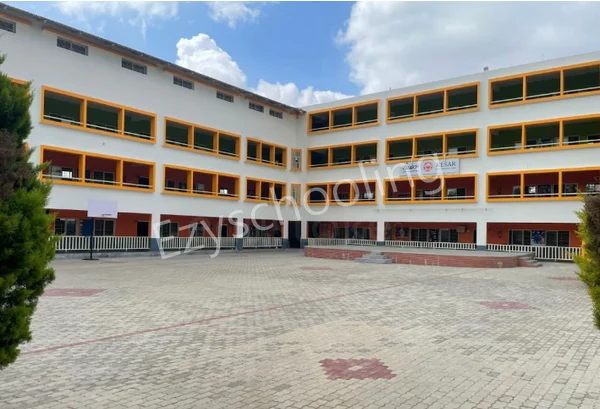
Students are encouraged to participate actively in activities that help them discover their strengths, develop leadership skills, build confidence, and cultivate a lifelong love for learning. By integrating academics with co-curricular experiences, the school seeks to create an environment where children can develop intellectually, physically, socially, and emotionally.
This balanced approach ensures that students are prepared not only for examinations but also for the opportunities and challenges they will encounter throughout their lives.
Looking Beyond the Report Card
A report card can tell us how well a child performed in a particular subject at a particular moment in time.
- It cannot fully capture their creativity.
- It cannot measure their courage.
- It cannot reveal how well they work with others, how they respond to failure, or how confidently they express their ideas.
Yet these qualities often play a defining role in long-term success and personal fulfilment. As parents consider what education should truly provide, it may be worth asking a broader question. Is school simply preparing children for the next exam?
Or is it preparing them for the many stages, playgrounds, and classrooms they will encounter throughout life? The answer may shape not only their education but their future.
If you want to explore this day school and others in Bangalore, visit
 as a preferred source on