









For a long time, schools measured success largely through marks, examinations, and academic performance. These things still matter, but they are no longer enough on their own. Students are entering a world where they will need to communicate clearly, make decisions, work with others, understand technology, manage money, and adapt to careers that may not even exist today.
That is why learning beyond textbooks is becoming increasingly important. Take one of the best schools in Hyderabad, The Premia Academy, as it has put this idea into practice through initiatives such as its YOLO Summit, which brings students into conversations about careers, entrepreneurship, technology, financial awareness, and personal development.
But the larger question goes beyond one school or one event: what should schools actually do to prepare students for the real world?
Why Academic Knowledge Alone Is Not Enough
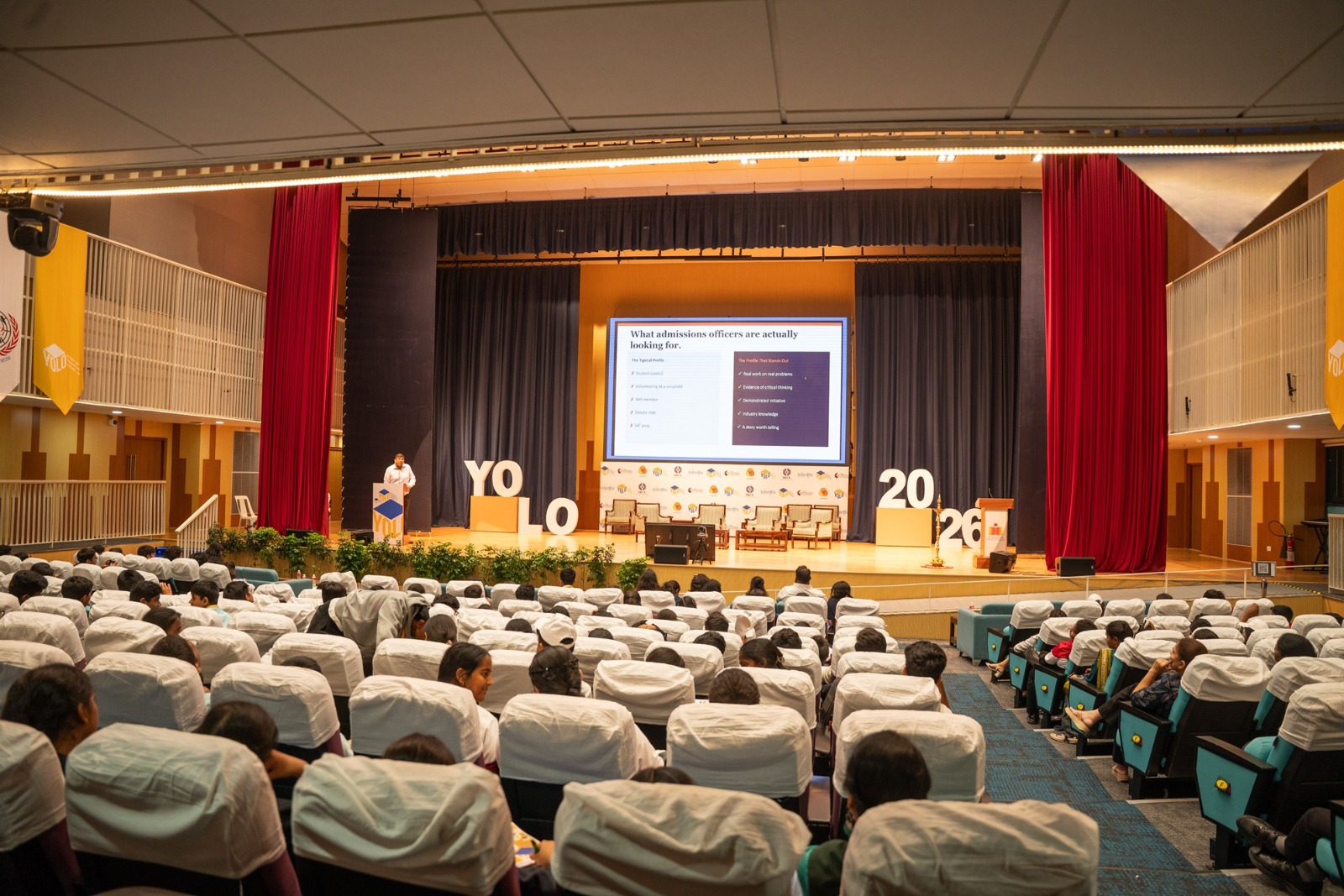
Academic knowledge gives students an important foundation. Mathematics develops logical thinking, languages build communication skills, and science teaches students how to understand the world around them.
However, real life rarely presents problems in the neat format of a textbook question.
A student may know how to solve a mathematical equation but still struggle to manage a personal budget. They may know the rules of grammar but find it difficult to confidently present an idea in front of a group. They may score well in examinations but have little experience working as part of a team or making decisions independently.
This does not mean academics are becoming less important. Instead, schools need to connect academic learning with practical skills.
The goal should be to help students understand how to use knowledge, rather than simply memorizing it for an examination.
Also Read | What learner-centric learning feels like
Building Confidence Through Real Experiences
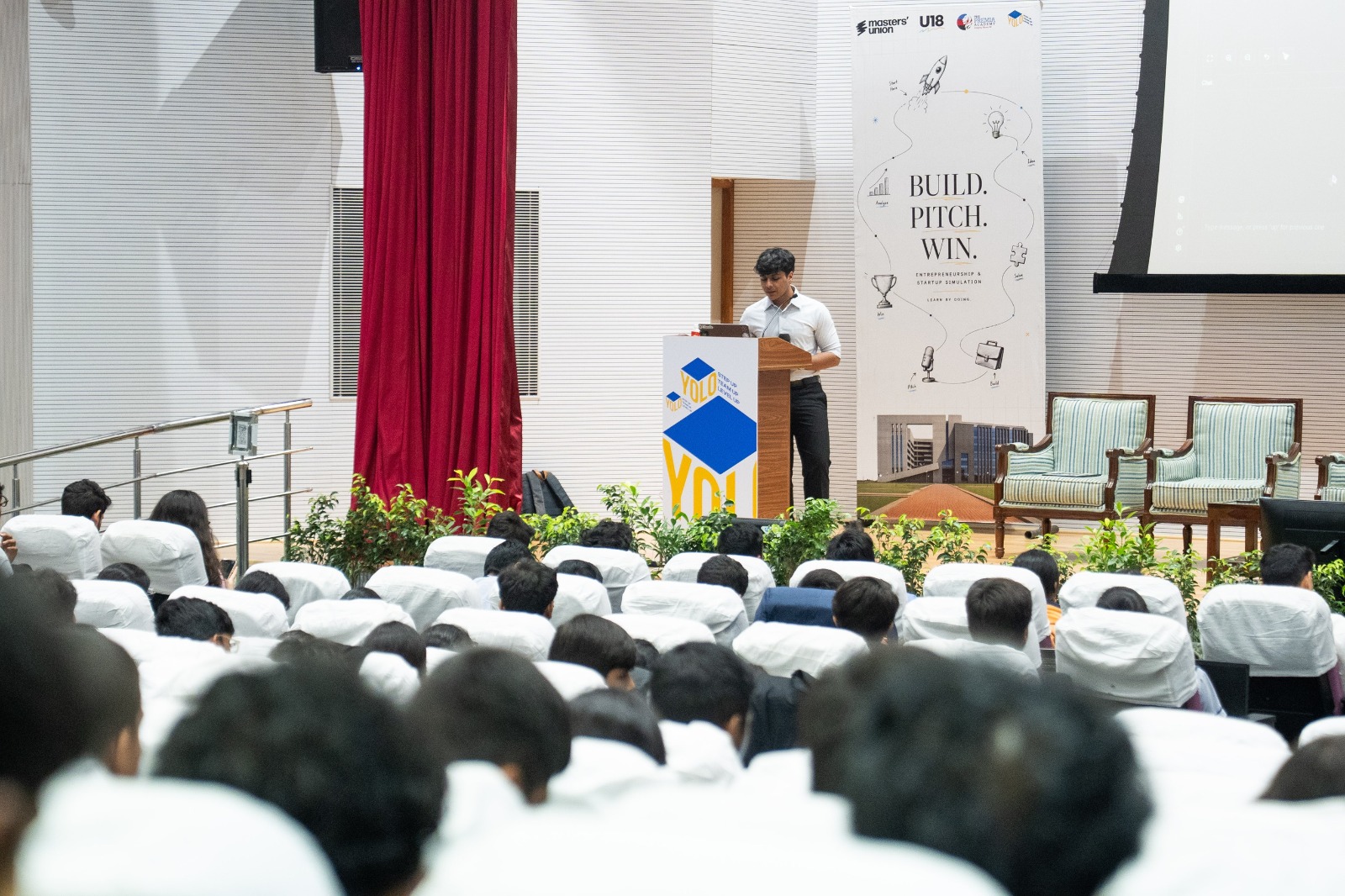
One of the simplest ways to make education more meaningful is to give students opportunities to experience things for themselves.
Projects, presentations, debates, group activities, competitions, simulations, field visits, and problem-solving exercises can all create these opportunities.
Imagine a student learning about entrepreneurship. Reading about how a business works is useful, but designing a simple business idea, identifying a problem, thinking about a customer, and explaining the idea to others can make the concept much more real. The impact of this was made clear during the YOLO event, when Raashika Bammi, the founder of Nureh Project, introduced an interactive session exploring the impact of hyper-personalized social media.
The same applies to career awareness. Students do not always need to decide what they want to become at a young age. What they need is exposure to different possibilities so that they can gradually understand their own interests and strengths.
This kind of exposure can also make students more comfortable with uncertainty. Instead of expecting one perfect answer, they learn that some problems require experimentation, discussion, and even failure before they can be solved.
The Growing Importance of Technology and AI
Technology is another reason schools need to rethink what learning looks like.
Students today are growing up alongside artificial intelligence, automation, digital platforms, and rapidly changing technologies. Simply knowing how to use technology likely won't be enough in the future.
Students will also need to question information, identify unreliable sources, use digital tools responsibly, and think critically about technology's impact on society and work.
AI, in particular, makes critical thinking even more important. When technology can produce an answer within seconds, students need to know how to evaluate whether that answer makes sense.
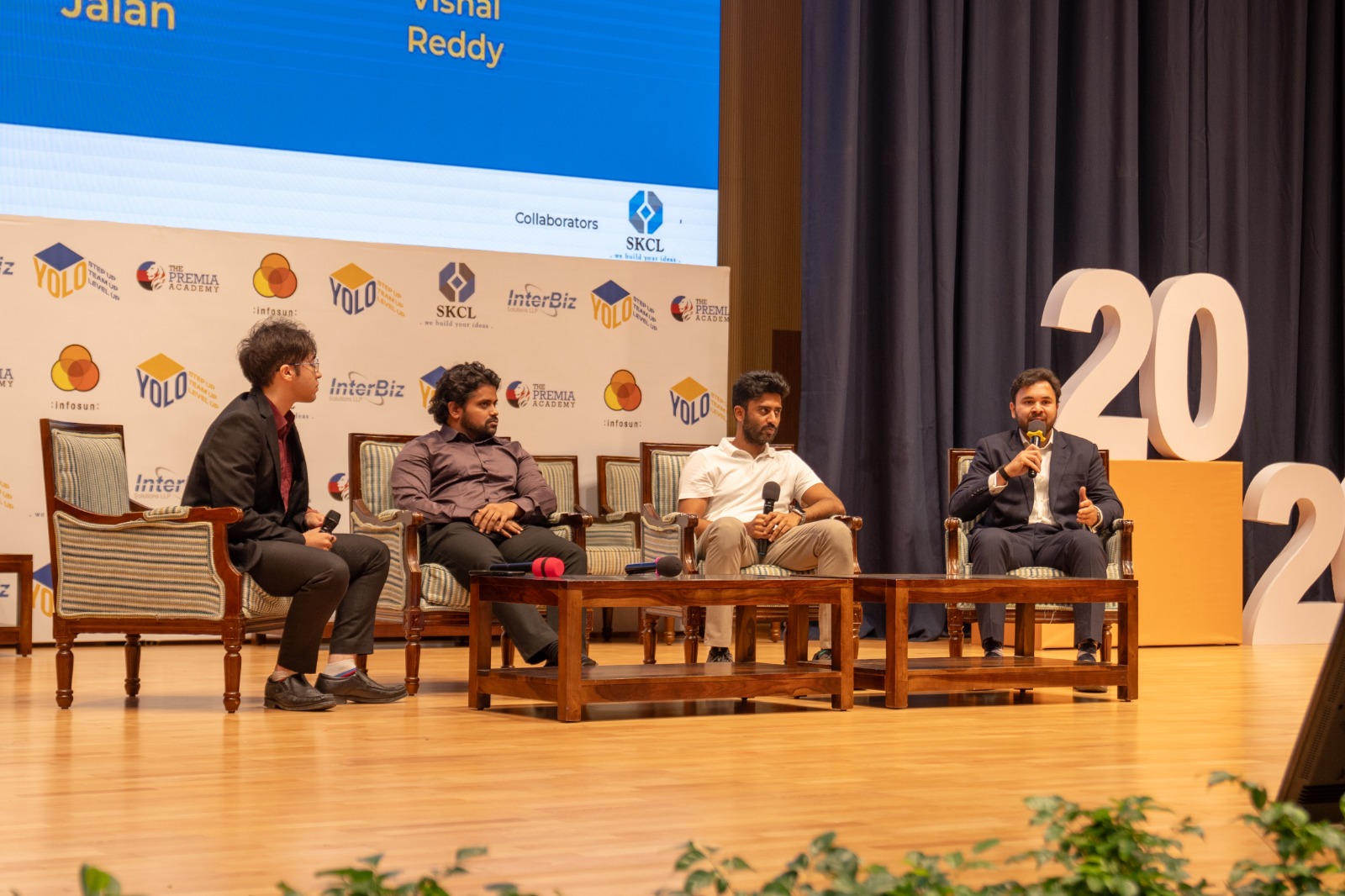
The interactive session Algorithms vs. Authenticity: Navigating the Human Premium in the Age of AI on day 1 of the event explored the enduring importance of creativity, emotional intelligence, and human skills in an AI-driven workplace.
Also Read | Importance of Pre-primary Education for Young Kids
How Premia Academy Is Taking This Idea Forward
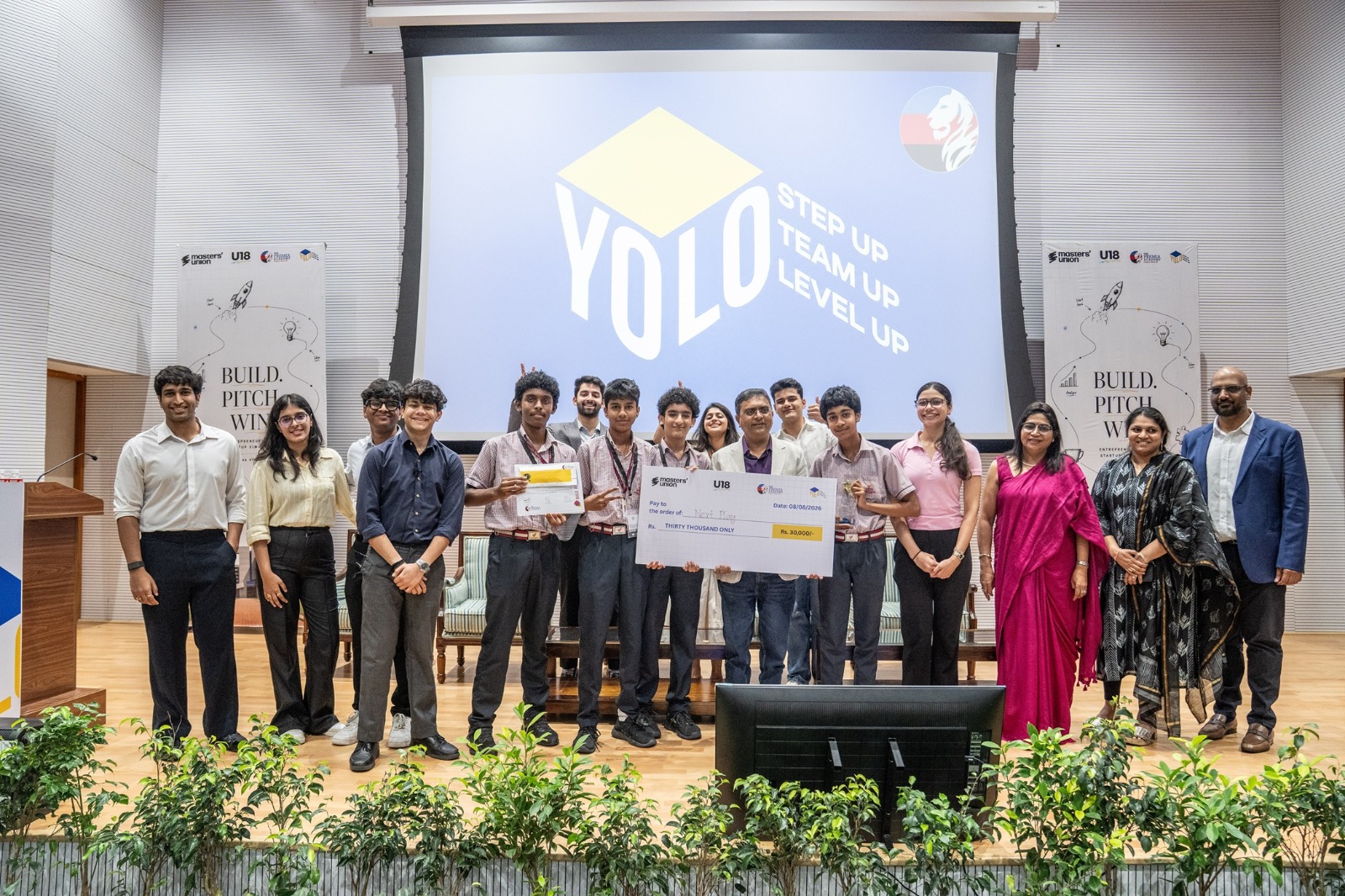
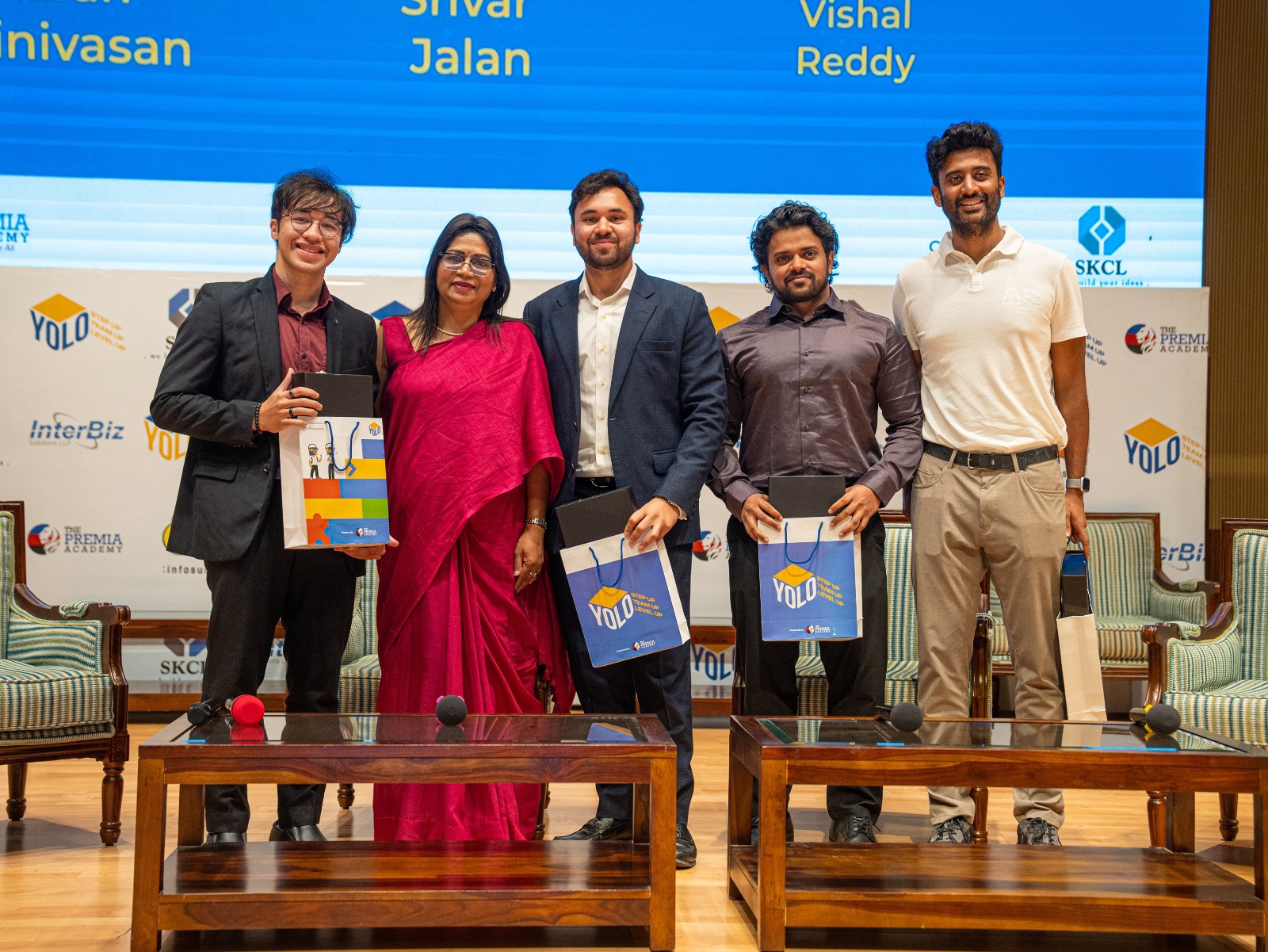
This broader approach is reflected in the work being done at one of the top schools in Hyderabad, Premia Academy. Its YOLO Summit 2026, held for students in Grades 8–12, was designed to give students exposure to areas beyond conventional classroom learning. The two-day program included sessions on goal setting, personal development, financial literacy, entrepreneurship, artificial intelligence, higher education, and career choices.
What makes this approach interesting is the emphasis on experience and exposure rather than simply career advice. The summit connected students with industry leaders, entrepreneurs, and other professionals, while workshops and innovation activities encouraged them to consider opportunities and possible solutions for themselves.
This approach is particularly relevant for secondary students. At this stage, young people begin to think more seriously about higher education and careers while also developing their identity, confidence, interests, and decision-making abilities.
The Future of School Learning
The future of education is unlikely to be about choosing between academics and practical learning. Students need both.
Strong academic foundations give children knowledge and intellectual discipline. Practical experiences teach them how to apply that knowledge. Communication builds their ability to express ideas. Teamwork helps them work with others. Financial literacy prepares them for everyday decisions. Technology education helps them navigate a changing world. Problem-solving activities teach them how to respond when there is no obvious answer.
Ultimately, schools should not only prepare students to pass their next examination. They should prepare them to face unpredictable situations, questions without model answers, and opportunities that require initiative.
That is where initiatives such as Premia Academy's YOLO Summit offer an interesting example. By bringing learning into areas such as entrepreneurship, technology, financial awareness, leadership, and career exploration, the focus shifts closer to education's larger purpose: helping young people become capable, confident, and adaptable individuals ready to navigate the world beyond school.
Click on the link below to learn more about other schools in Hyderabad
 as a preferred source on