







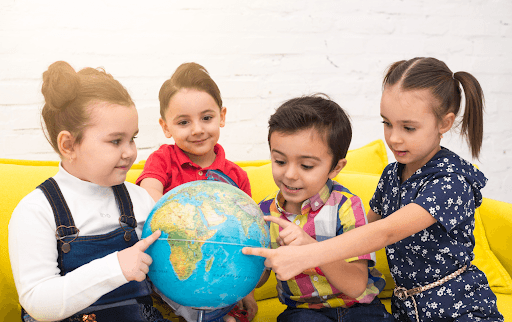

In classrooms across India, a quiet revolution is reshaping education. Students no longer sit passively absorbing information; they question, explore, and discover. This transformation from traditional rote learning to inquiry-based education marks a fundamental shift in how we prepare young minds for an interconnected world.
DRS International School (DRSIS) in Hyderabad stands at the forefront of this educational evolution. By combining inquiry-driven pedagogy with dual curricula and extensive experiential learning opportunities, the school demonstrates how modern education can develop globally-minded citizens rooted in strong values. In this article, we explore the principles of inquiry-based learning, the importance of international-mindedness, and how experiential education transforms students into active change-makers.
Also Read | From Classroom to Global Citizenship: The DRSIS Approach to 21st Education
The Evolution of Inquiry-Based Learning in Modern Education
Education has undergone remarkable changes over the past decade. The shift from teacher-centred instruction to student-centred exploration represents more than just a change in methodology—it's a complete reimagining of the learning process. Let's examine how inquiry-based approaches are reshaping classrooms.
What Makes Inquiry-Based Learning Different
Traditional education relied heavily on memorisation and repetition. Teachers delivered content, students absorbed it, and examinations tested recall ability. This model served industrial-age needs but falls short in preparing students for today's complex challenges.
Inquiry-based learning flips this dynamic entirely. Students become active participants who ask questions, investigate possibilities, and construct understanding through guided discovery. The teacher transforms from information provider to facilitator, creating environments where curiosity drives learning.
Developing Critical Thinking Through Questions
When students learn to ask meaningful questions, they develop intellectual independence. Rather than accepting information passively, they evaluate evidence, consider multiple perspectives, and draw informed conclusions.
This questioning mindset extends beyond academics. Students who learn through inquiry develop problem-solving skills applicable to real-world situations, from navigating social challenges to addressing community issues.
From Knowledge Consumption to Knowledge Creation
The National Education Policy 2020 emphasises competency-based learning that develops analytical and creative abilities. Inquiry-based education aligns perfectly with this vision by encouraging students to:
- Identify problems worth investigating
- Design experiments and research approaches
- Analyse findings critically
- Communicate discoveries effectively
- Apply learning to new contexts
These skills prepare students not just for examinations but for lifelong learning in rapidly changing environments.
International-Mindedness: Preparing Students for a Borderless World
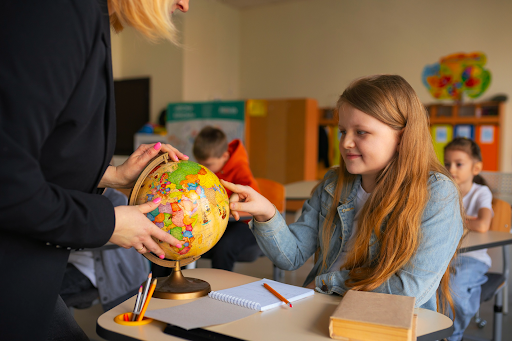
Globalisation has erased traditional boundaries in commerce, communication, and culture. Today's students will work in diverse teams, collaborate across continents, and navigate multicultural environments. International-mindedness isn't optional—it's essential for success in the 21st century.
Understanding Cultural Diversity Beyond Tourism
International-mindedness goes deeper than celebrating festivals or tasting cuisines from different countries. It involves genuine appreciation for diverse perspectives, belief systems, and ways of knowing.
Students with an international outlook recognise that their worldview represents one among many valid perspectives. They approach differences with curiosity rather than judgment, seeking to understand before forming opinions.
Building Global Citizenship Through Local Action
Global citizenship doesn't require travelling abroad. Students develop this mindset by engaging with diverse communities locally, understanding how local actions connect to global issues, and recognizing their responsibility toward humanity.
When students participate in environmental conservation, they understand climate change as a shared global challenge. When they engage in community service, they see poverty and inequality as issues transcending national boundaries.
Cross-Cultural Communication Skills
Effective communication across cultures requires more than language proficiency. It demands understanding communication styles, recognising cultural contexts, and adapting approaches accordingly.
Students exposed to international exchange programs, multicultural collaborations, and diverse perspectives develop empathy and flexibility—qualities essential for navigating our interconnected world.
The Dual Curriculum Advantage: Balancing National Roots with Global Wings
Educational choices often force parents and students to choose between national and international curricula. However, this presents a false dichotomy. Dual curriculum models demonstrate that students can benefit from both approaches simultaneously.
Strengths of National Curricula
CBSE and state boards provide structured, comprehensive coverage of foundational subjects. They prepare students thoroughly for competitive examinations crucial for domestic university admissions.
The rigorous content ensures students develop strong subject knowledge, particularly in mathematics and sciences. This solid foundation proves invaluable regardless of future educational pathways.
What International Frameworks Offer
International Baccalaureate programs emphasise conceptual understanding over content coverage. Students explore fewer topics but develop deeper comprehension through interdisciplinary connections.
The inquiry-based approach encourages independent research, creative thinking, and sophisticated analysis. These skills align with global university expectations and workplace demands.
Creating Well-Rounded Learners
Students navigating both frameworks develop versatility in learning approaches. They can adapt between different pedagogical styles, examination formats, and assessment methods.
This flexibility becomes particularly valuable in higher education, where students encounter diverse teaching methodologies and academic expectations. Those comfortable with multiple learning approaches transition more smoothly.
Experiential Learning Through Clubs and Community Engagement
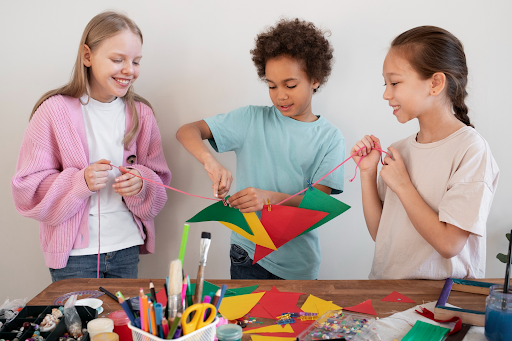
Classrooms provide controlled environments for learning, but real understanding emerges when students apply knowledge practically. Experiential learning bridges the gap between theory and practice, transforming abstract concepts into lived experiences.
Why Clubs Matter Beyond Academics
School clubs serve as laboratories for applying classroom learning. A literary club doesn't just discuss literature—it creates original works, organises literary festivals, and develops communication skills through practice.
Similarly, eco-sustainability clubs transform environmental science lessons into action. Students conduct waste audits, implement recycling programs, and measure their environmental impact tangibly.
Service Learning and Social Responsibility
Community engagement teaches lessons that textbooks cannot. When students interact with marginalised communities, lead awareness campaigns, or collaborate with NGOs, they develop empathy and social consciousness.
These experiences challenge assumptions, broaden perspectives, and instil a sense of responsibility toward society. Students recognise their privilege and understand their capacity to create positive change.
Model UN and Global Simulations
Programs like Model United Nations provide hands-on experience with international diplomacy and global issues. Students research country positions, negotiate resolutions, and experience the complexity of global governance.
These simulations develop critical skills including research, public speaking, negotiation, and diplomatic communication—abilities valuable across numerous career paths.
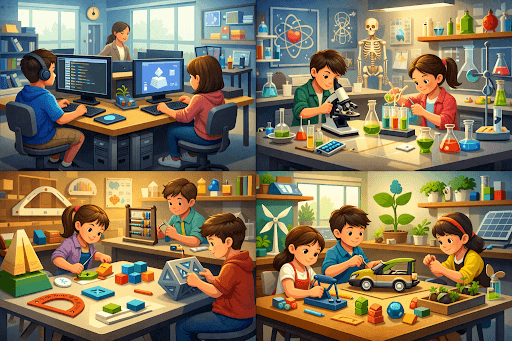
Check Out | Hands-On Learning & Exploration
DRS International School: Where Inquiry Meets International-Mindedness
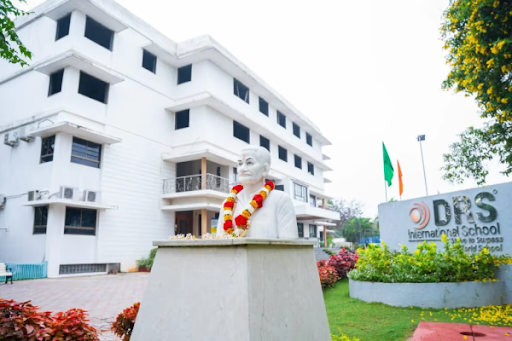
Located in Gundlapochampally, Hyderabad, DRS International School operates as an authorised IB World School offering PYP, MYP, and DP alongside CBSE from grades VI to XII. This unique positioning allows students to choose pathways aligned with their aspirations.
Every learning experience at DRSIS begins with understanding what students already know. Facilitators design units encouraging curiosity and conceptual exploration rather than simple information delivery.
The transdisciplinary PYP framework helps younger learners connect subjects meaningfully. MYP students engage eight subject groups through inquiry, developing sophisticated analytical abilities.
DRSIS employs diverse methodologies, including QAXP, RAFT, Jigsaw, and Think-Pair-Share. These approaches ensure students actively construct knowledge through collaboration and discussion.
The school's club portfolio spans diverse interests—from Literary and Visual Arts to TED-ED and Builders Without Borders. Each club provides platforms where inquiry translates into tangible impact.
ECO Sustainability Club members identify environmental challenges and implement conservation practices. The Community & Humane Society channels learning into social action through meaningful outreach programs.
Online student exchanges with schools in Egypt and the UAE deepen cross-cultural understanding without requiring extensive travel. Students share cultural practices, compare perspectives, and build international friendships.
The Academic Support Program recognises diverse learning needs and styles. Specialists track student progress, share insights with classroom teachers, and ensure every child receives appropriate support.
DRSIS's Career Guidance Cell provides comprehensive support from exploring interests to university placement. The systematic nine-step process helps students secure admissions to prestigious institutions globally.
DRSIS's commitment to creating "progressive, thinking life-long learners" manifests through integrated approaches combining inquiry pedagogy, dual curricula, extensive clubs, and community service. Students transition from knowledge recipients to change-makers equipped for global citizenship.
Education shapes futures. Choosing a school that balances academic excellence with holistic development, national values with international outlook, and knowledge acquisition with character building makes all the difference.
Discover how DRS International School's innovative approach can unlock your child's potential. Visit the school, experience the vibrant learning community, and envision the possibilities. Apply now to begin a transformative educational journey.
For more information on this and similar schools in the area, check out this list of the best schools in Hyderabad.

 as a preferred source on