







“Beta, ek baar 10th board nikal lo phir life sorted hai!”
~ Every Indian Parent
Every Indian parent has either said this or heard it growing up. This philosophy gets passed down like a family recipe, from grandparents to parents to the next generation, with full sincerity. The intention is obviously love and care, but the effect is something else entirely.
Without realising, we hand a 15-year-old the weight of their entire future in one sentence. Suddenly, a two-and-a-half-hour exam in March becomes the deciding factor for the future.
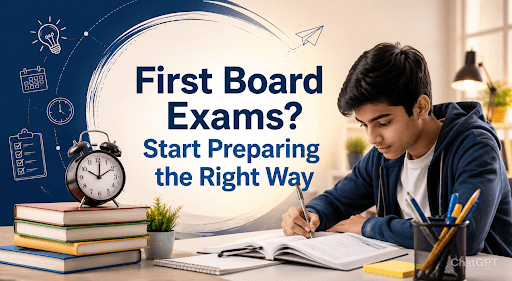
This is how board exams stop being an academic milestone and start becoming a source of fear. Here’s what we rarely say out loud: the 10th board exam is not the finish line. It’s the first checkpoint. And like any checkpoint, what matters is readiness and preparation.
CBSE Schools in Bangalore are doing their best to prepare students for their Class 10 board exams responsibly. And if you want to know how to do the same at home, then this guide is for you. Here we break down the smart strategies and tips, and along the way, you’ll also see how MVM School, Bangalore, prepares students for board exams. Let’s begin!
Also Read: How MVM School Devanahalli is Bringing STEM and AI Learning to Young Students
A Term-by-Term Roadmap For Board Preparation
Most parents think board exam prep begins in January. That’s already late. The real game should be played from the start of the academic year. The child has three distinct phases in a year:
April to August: Foundation Month
This is the most underused phase. Classes have just started, and the syllabus feels interesting and manageable. This time should be utilised with a smarter move.
At this stage, make the child understand the CBSE framework and exam pattern. Before sitting in an exam, they are prepared for what’s coming their way. This is the time when the child has the time to go chapter by chapter and make handwritten notes of key pointers. A page of handwritten key points per chapter is worth more than three hours of passive reading later.
September to November: Deepen & Test
By now, the first half of the syllabus is done. This is when the real preparation begins. It’s time to start taking mock tests to get an idea of where you stand and what the goal is that you have to achieve.
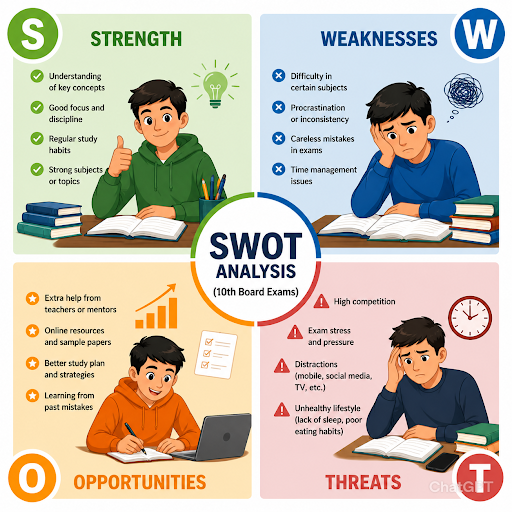
Set a weekly timetable and allocate more hours to the subject that needs extra attention, like Math or Science. For this, it's better to do a SWOT analysis.
SWOT
Strengths: Which subjects or chapters does your child finish confidently and score well in? Double down on these first. Starting revision from a place of confidence builds momentum.
Weaknesses: Where do the marks consistently drop? Which chapters get quietly skipped during self-study? These topics or subjects need more time on the timetable.
Opportunities: Which topics carry high marks in the exam but are actually not that difficult to master? Like geometry in maths, Nationalism in India in History.
Threats: What is likely to eat into study time? Upcoming school events, or the habit of doomscrolling every 20 minutes. Identify them early to manage them.
December to March: Revise & Repeat
This is the time period where most families and students spend their energy. But this should be the easiest phase if the earlier two were done right. By December, the first draft of the syllabus should be over. What remains is revision, sample papers, and building exam temperament.
Solve past papers, sample papers and plan mock tests at home on weekends. Set a timer for three hours and try to practice the papers at the same time as the actual exam is scheduled. If the board paper starts at 10:30 AM, the mock at home should too.
After every mock, try to understand the mistakes. Was it a concept they didn't know? A silly calculation error? Running out of time on the last question? Each pattern tells you something different, and each one has a different fix.
Smart Tips To Rock Your First Board Exam
General Tips
- Take a proper 8 hr sleep every day and eat a proper, balanced diet
- Refer to the NCERT books & Sample papers
- Be consistent with the timetable
Last month's tips:
- Do not start a new topic; master the existing one.
- Rotate subjects daily
- Take a mock test every weekend and track the results
- Take a proper break, no need to panic
Also Read: What Makes a School Truly “Good”? 7 Non-Negotiables Every Parent Should Know
How MVM School, Bangalore, Approaches Board Exam Preparation
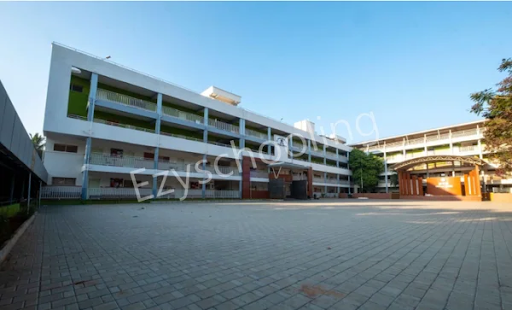
CBSE Schools in Devanahalli take the 10th board very seriously. You can see that preparation clearly in how MVM School approaches it. The readiness isn’t a last-minute sprint, but it is built into how Grades 9 and 10 are taught from day one.
Being CBSE-affiliated, MVM’s secondary stage curriculum is structured specifically around the skills the board actually tests: critical thinking, real-world application, and problem-solving.
The school has moved past the rote learning model and actively integrates experiential learning. Students work with concepts hands-on, in labs, through projects and real discussions. This kind of learning supports in-depth knowledge and recall.
Students also have the flexibility to choose subjects that genuinely interest them: academic, vocational, or technical skills training. The benefit is straightforward: a child studying what they care about brings more focus, more energy, and far less resistance to the study table. No wasted hours on subjects that don't serve their path.
And if you're looking at results, then MVM School has consistently achieved 100% results in the CBSE Class 10 board exams, every single year. That number doesn't happen by accident. It is the outcome of a structured curriculum, teachers who prepare students well in advance, and a school environment that treats board exam readiness as a year-long commitment and not a February emergency.
Final Thoughts
First Boards are exciting for both students and parents; the exam centre is filled with affirmations and reassurance that actually feels overwhelming. But by the time your child walks into that hall, your job is already done. The preparation happened months ago, in small, consistent moments.
And one last tip, when they walk out of that exam hall, please resist the urge to say
“Beta, ab 12th nikaal lo, phir life sorted hai.”
For more information regarding the CBSE schools in Bangalore or nearby areas





 as a preferred source on