







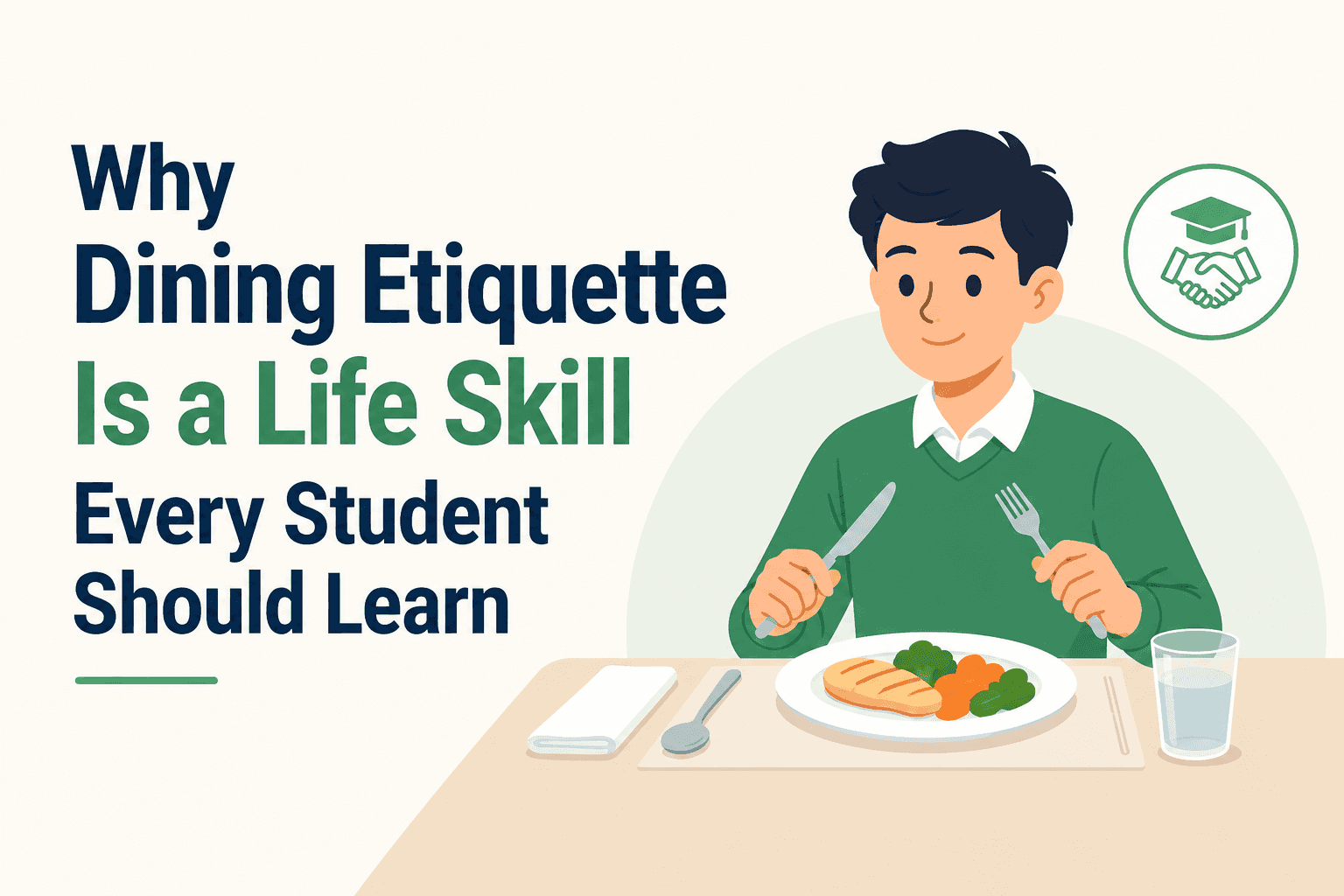

When people picture education, they usually think of classrooms, exams, and textbooks. But some of the most useful lessons a child carries into adulthood happen nowhere near a blackboard. Knowing how to introduce yourself with confidence, communicate respectfully, and behave well in social settings can shape personal relationships, academic opportunities, and career success just as much as good grades ever will. At one of the best boarding schools in India, Mussoorie International School (MIS), this belief shapes a lot of what happens outside the regular timetable — including something as ordinary-sounding as how a student behaves at the dinner table.
Dining etiquette tends to get dismissed as a minor detail — knowing which fork to pick up, how to fold a napkin. But it's really about something bigger: showing respect for the people around you, understanding other cultures, communicating with confidence, and carrying yourself with a bit of grace wherever you happen to be.
As the world gets more connected, children are increasingly likely to find themselves at university interviews, networking events, international conferences, and professional dinners. Preparing them for those moments starts a lot earlier than most people assume.
Dining Etiquette Is Really About Confidence

Kids naturally feel a bit uneasy walking into unfamiliar social situations — a formal dinner, meeting important guests, a school event with new faces. That uncertainty about "what's expected" can turn into nervousness fast.
Dining etiquette takes that uncertainty away. Once students know how to sit at a table with confidence, use the settings correctly, hold a decent conversation, and treat everyone politely, they stop worrying about slipping up — and can focus on the people in front of them instead.
That confidence doesn't stay at the table, either. Students who've internalized this kind of etiquette tend to become better communicators and listeners, and grow comfortable around people from different backgrounds, because courtesy turns out to be a language almost everyone understands.
Also Read| Biggest Challenges of Sending Your Girl Child to Boarding School
Good Manners Reflect Emotional Intelligence
Education today puts a lot more weight on emotional intelligence than it used to, and dining etiquette happens to build several of those same qualities without even trying:
- Respecting others before oneself
- Listening without interrupting
- Showing gratitude
- Practising patience
- Being aware of social cues
- Making others feel comfortable
Waiting until everyone's been served before eating teaches consideration. Pulling a quieter person into the conversation builds empathy. Genuinely thanking a host reinforces gratitude. None of these is a big gesture alone, but stacked together over years they shape character — and kids who practice them tend to carry the same habits into classrooms, workplaces, and leadership roles later on.
A Global World Requires Cultural Awareness
Today's students are heading toward careers that could take them across cities, countries, and continents — business meetings, exchange programs, international universities, and multicultural workplaces, all running on different customs.
Understanding dining etiquette helps students see those differences with curiosity instead of anxiety. Customs shift a lot from one culture to the next — some places care deeply about seating arrangements, others put the emphasis on conversation or how food is served. Learning to notice those differences teaches kids to walk into unfamiliar situations with interest rather than hesitation — one of the defining traits of global citizenship. Students who adapt respectfully to new environments tend to build stronger relationships, both personally and professionally, for the rest of their lives.
Communication Happens Beyond Words
A meal is rarely just about the food. Some of the most meaningful conversations — family discussions, celebrations, interviews, negotiations, networking — happen around a table.
Learning dining etiquette usually comes packaged with conversation etiquette, too. Students pick up how to:
- Introduce themselves politely
- Maintain eye contact
- Ask thoughtful questions
- Participate without dominating the discussion
- Listen attentively
- Disagree respectfully
- Include everyone in the conversation
These skills matter a great deal in school presentations, college interviews, internships, and later careers. More often than not, people remember how someone made them feel far longer than what was actually said.
Dining etiquette teaches students to be considerate hosts as well as respectful guests, building responsibility and social confidence along the way. Plenty of schools now recognize that leadership education needs to include these interpersonal skills, since the leaders who last tend to influence people through respect rather than authority alone. Students at ease in both formal and informal settings tend to slide more naturally into leadership roles as they move through higher education and professional life.
Etiquette Is Relevant in Everyday Life
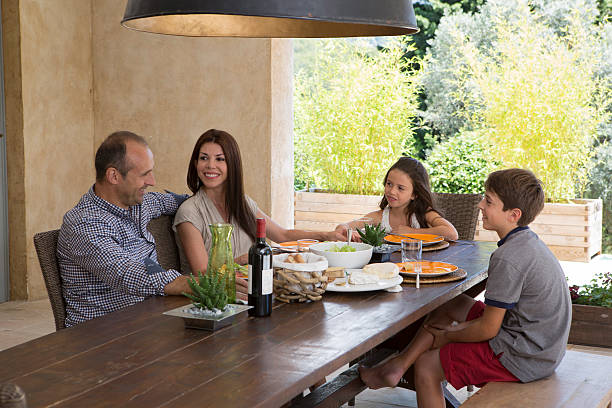
A common misconception is that dining etiquette only matters at formal banquets. In practice, it improves everyday interactions far more often. Family meals get more meaningful when everyone joins the conversation respectfully. School lunches become small opportunities to practice kindness and inclusion. Celebrations run more smoothly when kids don't need constant reminders about how to behave, and even a casual restaurant outing feels easier when a young person already knows to thank the staff and respect shared space.
The point of etiquette was never perfection. It's consideration — and consideration never really goes out of style.
Schools Play an Important Role in Teaching Life Skills
Parents introduce children to manners at home, but school is where those habits get practiced consistently, in situations that actually test them. Holistic education recognizes that academics alone can't prepare a student for everything life throws at them — character, confidence, communication, and cultural awareness all need dedicated attention too. That's part of why many progressive schools now build in workshops, experiential learning, and personality-development sessions alongside the usual subjects, so students leave not just with knowledge but with the confidence to actually use it.
How Mussoorie International School Makes Etiquette Part of Holistic Education
.jpeg)
At Mussoorie International School (MIS), education stretches well beyond textbooks. The school's Beyond Classroom initiatives exist precisely to help students build the practical life skills they'll need well past graduation.
One of these is the Etiquette Workshop, where dining etiquette becomes something students actually engage with, rather than a list of rules to memorize. Students are introduced to formal table manners alongside the broader social skills that go with them — respectful conversation, international dining customs, and hosting with genuine confidence — so they feel at ease in both formal and multicultural settings.
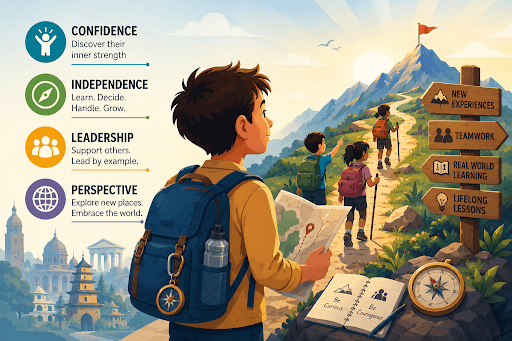
These sessions fit naturally into MIS's wider philosophy, where confidence, character, and cultural awareness are nurtured right alongside academics, reflected across a range of programs from science workshops to self-defense sessions, all pointing toward curiosity, independence, and personal growth.
At MIS, dining etiquette isn't treated as some isolated activity but as part of preparing young women to become poised, confident, and globally aware individuals — whether they're attending a university event, representing their country abroad, or stepping into a future professional setting.
Final Thoughts
Academic achievement might open doors, but confidence, courtesy, and communication often decide what happens once those doors are open. Dining etiquette teaches students to respect others, appreciate cultural differences, communicate thoughtfully, and carry themselves with confidence wherever they land. These aren't just social niceties — they're skills that stay with a person for life.
By weaving experiences like this into everyday education, schools help students grow into people who are not just knowledgeable, but gracious, adaptable, and genuinely ready for a world that keeps getting more connected. That may be one of the more quietly valuable lessons education has to offer.
To get information about other Boarding schools in India, click on the link below

 as a preferred source on