







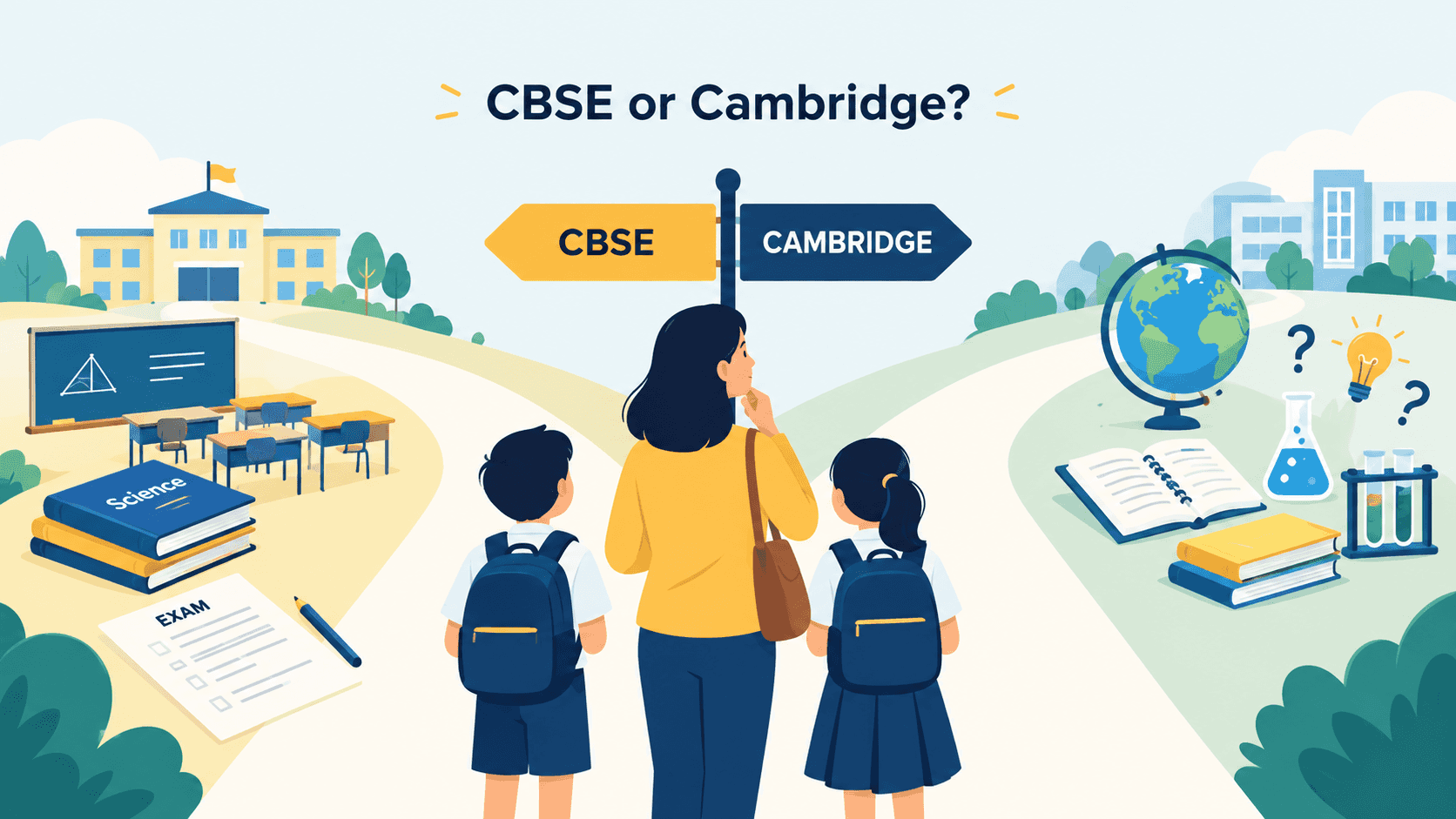

Choosing a school board can feel like choosing a learning path for the next several years. For parents exploring the top schools in Hyderabad, the question often comes down to one familiar choice: should a child follow CBSE or Cambridge? The Premia Academy is one Hyderabad school that offers both CBSE and Cambridge, making this question especially relevant for families considering different academic pathways.
But there is no universal answer. A board is not simply a syllabus or a certificate. It affects what children study, how they are assessed, how much flexibility they have, and sometimes even how they approach a problem. The better question is not “Which board is better?” but “Which approach fits my child and our family's plans?”
What Really Changes Between CBSE and Cambridge?
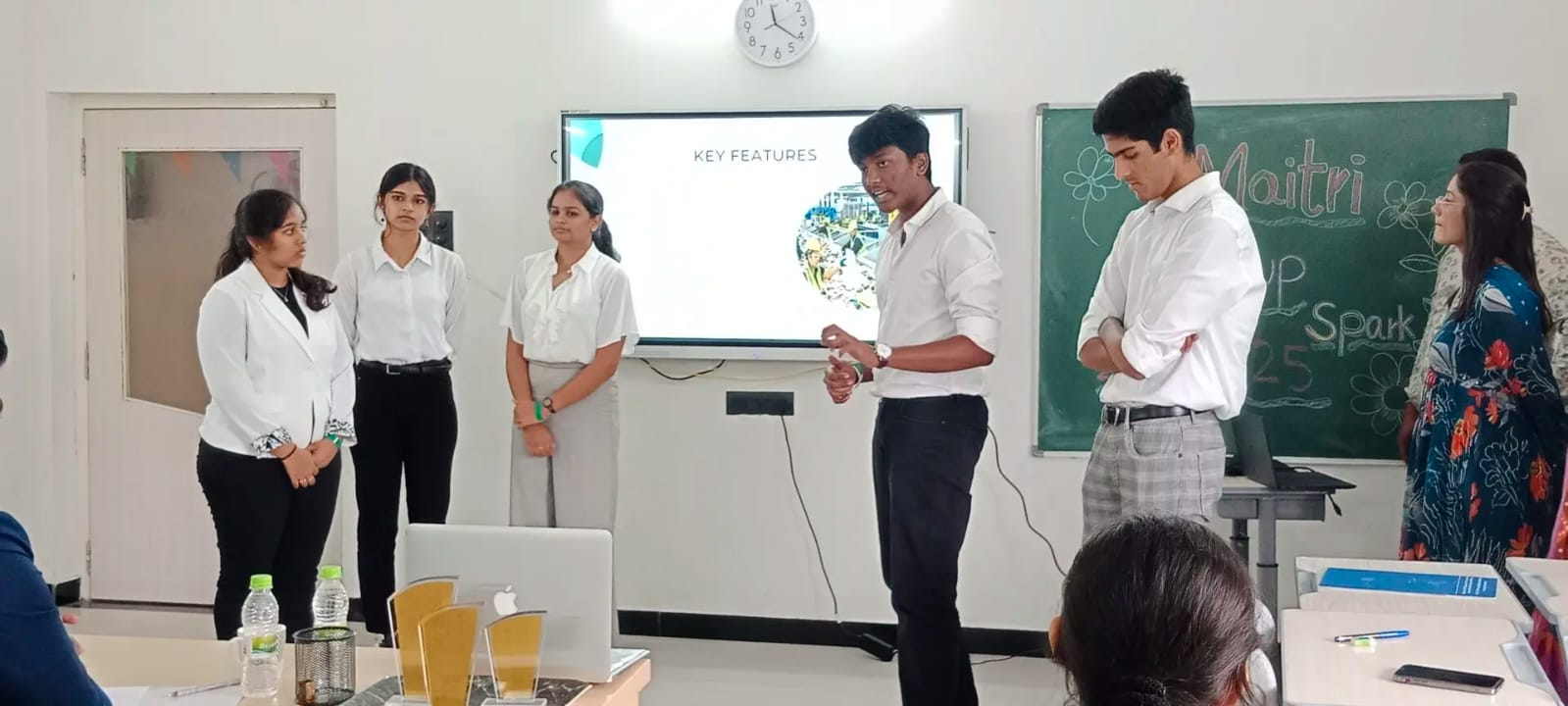
CBSE and Cambridge can both provide strong academic foundations, but they organise learning in somewhat different ways.
CBSE has a structured national curriculum and is widely used across India. Its current curriculum also includes experiential and activity-based learning, competency-focused assessment, and subjects such as computational thinking and AI.
Cambridge IGCSE, meanwhile, offers a broad choice of subjects and places emphasis on knowledge, understanding, creative thinking, enquiry, and problem-solving. Cambridge describes its curriculum as flexible, allowing schools to build programs around different learner needs
Consider a simple example. If a child is learning about water conservation, the learning does not have to stop at memorising definitions. A CBSE classroom may connect the topic with a project, activity, or real-world application. A Cambridge classroom may also explore the problem through enquiry, data, discussion, and problem-solving. The actual experience, however, depends greatly on the teacher and school.
|
Area |
CBSE |
Cambridge |
|
Curriculum |
Structured national framework |
Flexible international curriculum |
|
Learning |
Increasing focus on competency and application |
Strong focus on understanding, enquiry and application |
|
Assessment |
Board examinations plus internal assessment and school-level evaluation |
Written examinations with different assessment formats depending on subject |
|
Subject choice |
Becomes broader at senior secondary level |
Generally offers considerable subject flexibility |
|
Useful for |
Families seeking a strong Indian academic pathway |
Families interested in an internationally oriented pathway |
This is why simply looking at the board name can be misleading. Two schools following the same board can still feel very different in the classroom.
Also Read | Preparing Students for the Real World Through Real-World Exposure
Look Beyond “Rote Learning vs. Practical Learning"
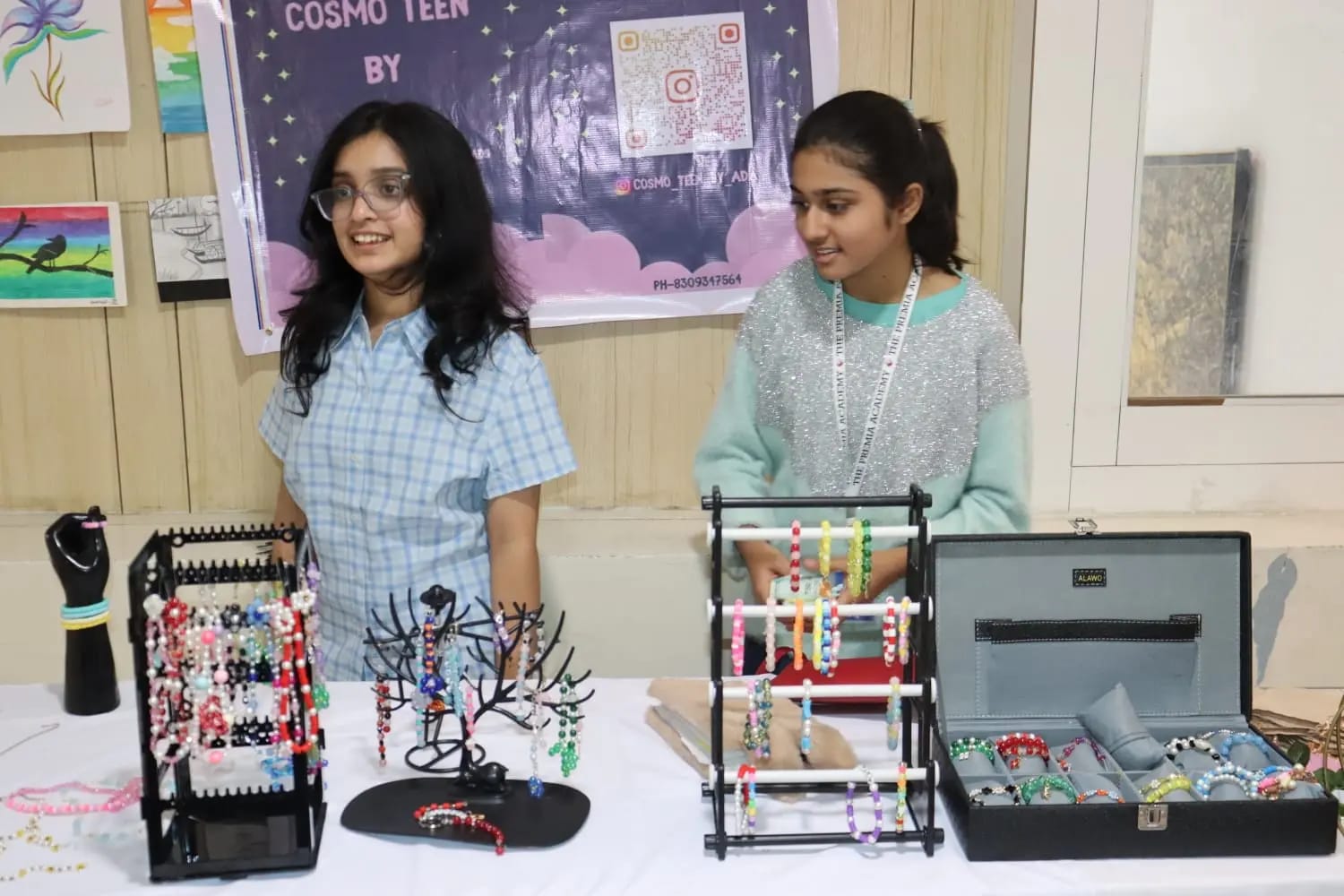
One common assumption is that CBSE means memorization while Cambridge means practical learning. The reality is more nuanced.
CBSE's own curriculum documents promote experiential learning, where students apply knowledge, reflect on experiences, and connect concepts with the real world. One CBSE guide even refers to David Kolb's experiential learning cycle: experience, reflection, conceptualization, and experimentation.
Cambridge also places importance on conceptual understanding and higher-order thinking. Its assessment framework says that assessment is designed to measure areas including deep subject knowledge, conceptual understanding, and higher-order thinking skills.
Think about learning percentages. One child may learn by solving textbook questions first. Another may understand the idea better after calculating discounts while shopping with a parent. Both can eventually reach the same concept, but the route may be different.
The important question for parents is therefore:
- Does the school encourage children to ask "why," rather than only “what”?
- Are students given opportunities to apply classroom ideas?
- Does the teacher explain mistakes instead of treating them only as lost marks?
- Does assessment help identify what a child understands and where support is needed?
These questions can tell you more about a child's everyday learning experience than a board label alone.
How Does Assessment Change the Learning Experience?
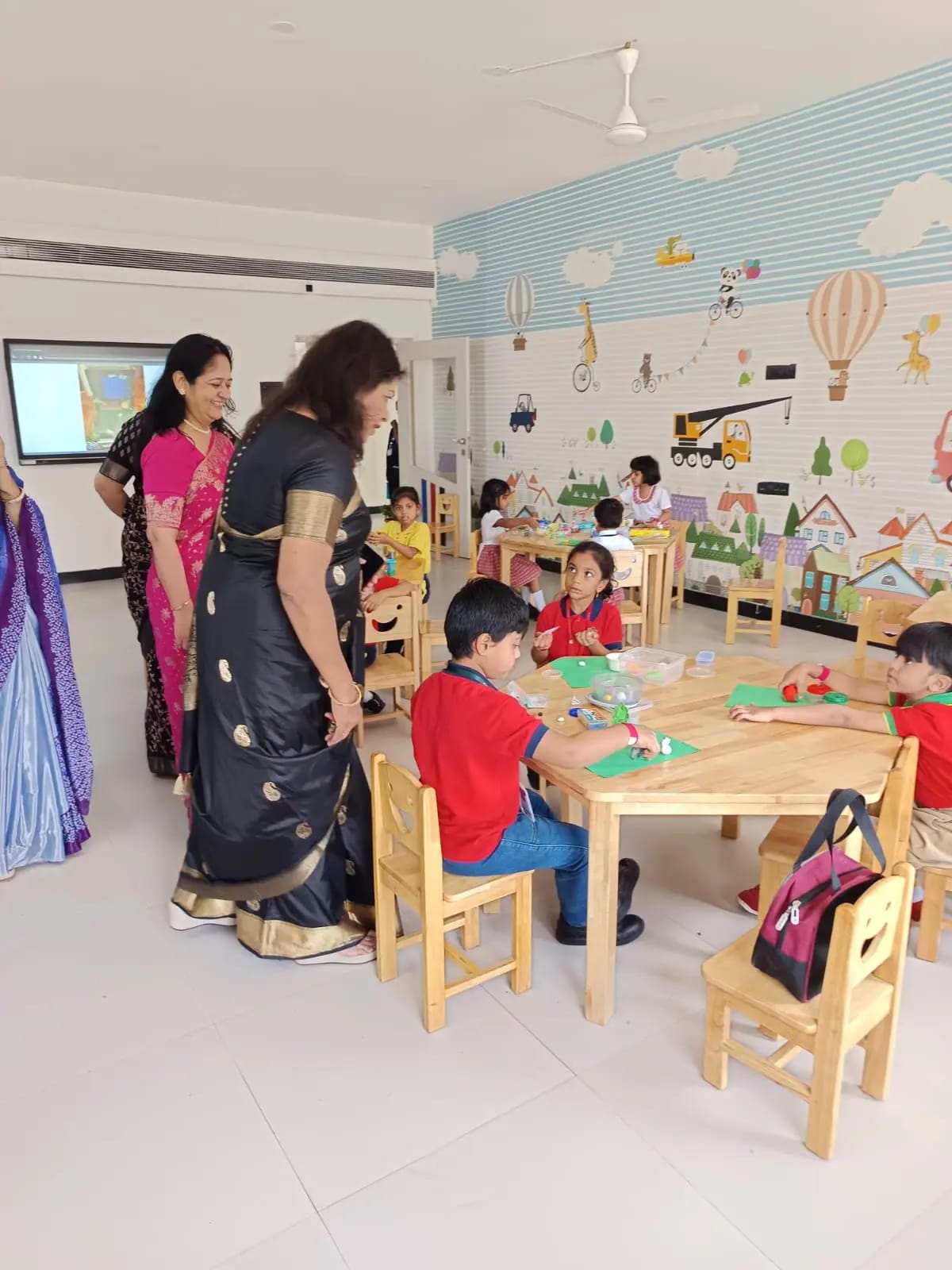
Assessment is where many families notice the biggest difference.
CBSE has formal board examinations at key stages, supported by internal assessment and school-based learning activities. Cambridge also has formal examinations, but its qualifications can include different assessment approaches depending on the subject. Cambridge's wider assessment philosophy includes using assessment to understand learning and guide future progress.
Imagine two students who both score 70 out of 100 in science. The number tells you something, but not everything. Did one lose marks because of a calculation error? Did another understand the concept but struggle to explain it? Good assessment should help teachers answer these questions.
This is also where the growth mindset idea, associated with psychologist Carol Dweck's research, becomes useful. A test should ideally be more than a judgment of ability. It should show students what they know now and what they can work on next.
Parents can therefore ask schools about:
- How often students receive feedback.
- How much assessment involves projects, practical work, or application.
- Whether students get opportunities to improve after receiving feedback.
- How the school prepares children for major examinations.
Also Read | What Learner-Centric Learning Looks Like
So, Which Board Should Parents Choose?

The answer depends on the child's learning preferences, future plans, and the school's actual teaching environment.
CBSE may make sense for families who want a familiar Indian curriculum and a straightforward pathway through the country's school and higher-education system. Cambridge may appeal to families who value greater curricular flexibility, international orientation, and an inquiry-led approach.
Future plans matter too. A family expecting to move between Indian cities may value continuity within the CBSE system. A family that expects international mobility may want to explore Cambridge's global recognition and subject structure. Cambridge qualifications are accepted by universities around the world, while CBSE remains deeply established within India's education system.
However, plans can change. A child who seems certain about a future career at age 10 may have an entirely different interest at 15. That is why flexibility within the school can sometimes matter as much as the board itself.
For parents comparing the best CBSE schools in Attapur, The Premia Academy offers an unusual option: it provides both CBSE and Cambridge curricula on the same campus. Its Cambridge program highlights flexible subject choices, competency-driven instruction, research-based learning, and multiple assessment formats, while its CBSE program combines the CBSE framework with an emphasis on critical thinking and broader learning experiences.
This side-by-side model can be useful for families who are still deciding which pathway suits their child. More importantly, it recognizes that the “right” board can depend on the learner rather than on a universal ranking of curricula.
The Board Is Only One Part of the Decision
When comparing CBSE and Cambridge, parents should look beyond brochures and ask to see the learning environment itself. Observe a classroom if possible, speak to teachers, understand the assessment pattern, and ask how the school supports children who learn at different speeds.
A board provides the framework, but the school brings that framework to life. The right choice is ultimately the one where the curriculum, teaching style, assessment system, and child's future plans fit together naturally.
To know more about other schools in Hyderabad, click on the link below
 as a preferred source on