







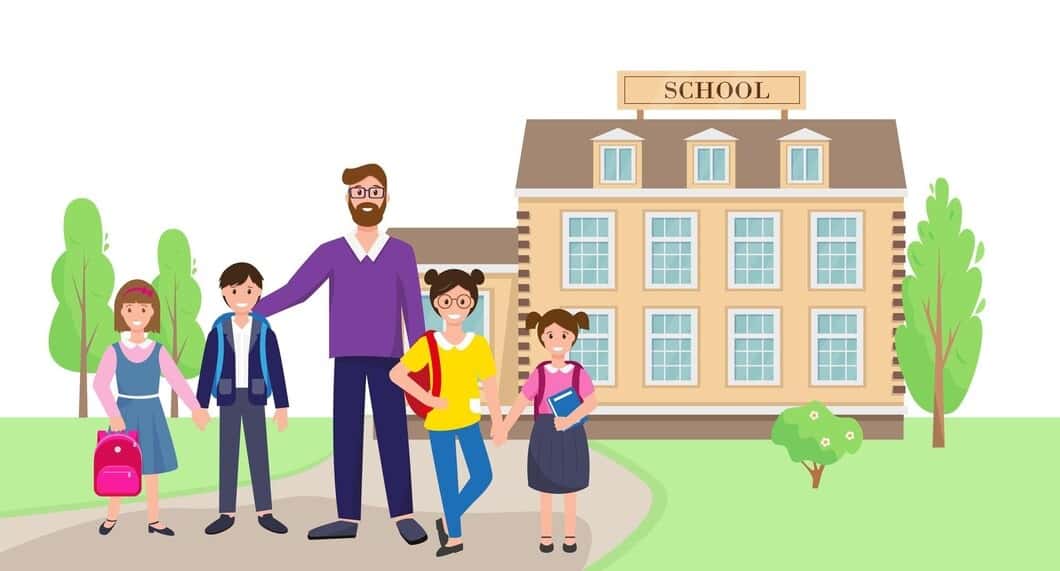

Schools serve as second homes for millions of children, making their safety and protection paramount. Recent studies indicate that children spend nearly 30% of their waking hours in educational institutions, highlighting the critical role schools play in safeguarding young minds. The responsibility extends far beyond academic excellence to encompass comprehensive child protection measures.
One of the best schools in Gurgaon, Satya School, exemplifies how educational institutions can create robust protection systems while maintaining nurturing learning environments. Their comprehensive approach demonstrates how proper implementation of safety measures can coexist with academic excellence and holistic development.
In this article, we explore the essential components of comprehensive child protection in schools, examining legal frameworks, best practices, and how institutions are setting new benchmarks for student safety and well-being.
Also Read |Preparing Future Citizens: Satya School’s Unique Education Approach
Understanding Child Protection Laws in Educational Settings
Legal frameworks provide the foundation for child protection in educational institutions. This section explores mandatory requirements and best practices for creating secure environments.
The POCSO Act: A Framework for School Safety
The Protection of Children from Sexual Offences (POCSO) Act 2011, with its 2019 amendments, establishes mandatory guidelines for educational institutions regarding child protection. This legislation requires schools to implement specific safety measures, conduct regular staff training, and maintain clear reporting protocols.
Schools must designate trained personnel to handle sensitive situations and ensure all staff members understand their legal obligations. The Act emphasises prevention through awareness, making it essential for institutions to conduct regular training sessions. Compliance involves creating detailed policies while maintaining sensitivity toward affected children and establishing clear support systems.
Beyond Legal Compliance: Creating a Culture of Safety
While legal compliance forms the baseline, truly effective child protection requires fostering a culture where safety becomes integral to the school's identity. This involves moving beyond checkbox mentalities to embrace comprehensive approaches that prioritise student well-being.
Creating such cultures requires consistent messaging from leadership, regular reinforcement of safety protocols, and open communication channels. Effective protection cultures encourage reporting of concerning behaviours without fear of retaliation while emphasising early intervention and prevention.
Essential Components of School Child Protection Systems
Robust child protection systems require multiple interconnected elements. These components work together to create comprehensive safety nets for students.
Staff Training and Professional Development
Regular and comprehensive training forms the backbone of effective child protection systems. All school personnel, from teachers to maintenance staff, must understand their roles in maintaining student safety and well-being.
Training programs should cover recognition of potential abuse signs, appropriate response protocols, and legal obligations. Sessions must be conducted by qualified professionals who can provide practical guidance for real-world situations. Documentation of training participation ensures accountability and helps schools identify areas where additional support may be needed.
Establishing Child Protection Committees
Well-structured protection committees provide centralised coordination for safety initiatives while ensuring diverse perspectives are represented in decision-making processes. These committees should include members from various school departments and specialisations.
Effective committees typically include senior administrators, counsellors, teachers from different grade levels, and support staff representatives. Committee members must receive specialised training in their roles and responsibilities, including confidentiality requirements and escalation procedures. Regular meetings provide opportunities to review policies and coordinate response efforts.
Student Awareness and Communication Channels
Empowering students with knowledge and providing accessible communication channels creates additional protection layers. This section explores education programs and reporting systems.
Building Student Awareness Through Education
Age-appropriate education programs help students understand personal boundaries, recognise inappropriate behaviours, and know how to respond to concerning situations. These programs must be delivered sensitively and adapted for different developmental stages.
Interactive teaching methods, including role-playing exercises and group discussions, make safety education more engaging and memorable. Students learn best when they can practice appropriate responses in safe, controlled environments. Regular reinforcement through assemblies and classroom discussions helps maintain awareness while addressing broader topics like healthy relationships and emotional regulation.
Effective Communication Systems
Multiple reporting channels ensure students can seek help through methods that feel comfortable and appropriate for their situations. Options should include both anonymous and identified reporting mechanisms.
- Physical suggestion boxes placed strategically throughout school buildings provide anonymous reporting options
- Dedicated email systems allow for detailed communication while maintaining privacy
- Trained staff members offer face-to-face support when students prefer personal interaction
- Peer support programs create additional pathways for students to seek assistance
Clear communication about available resources helps students understand their options and reduces barriers to seeking help. Regular reminders ensure these systems remain visible and accessible.
Response protocols must be clearly defined to ensure consistent and appropriate follow-up to student communications. Swift acknowledgment and appropriate action build trust in these systems.
Infrastructure and Environmental Safety Measures
Physical environments play crucial roles in supporting comprehensive safety initiatives. This section examines security systems and support services that enhance protection.
Physical Security and Monitoring Systems
Modern security systems provide oversight while respecting student privacy and maintaining positive school climates. Comprehensive coverage ensures potential issues can be identified and addressed promptly through strategic placement of monitoring equipment.
Trained security personnel provide human oversight that complements technological systems. Their presence should feel supportive rather than intimidating, contributing to positive school atmospheres. Regular security assessments identify potential vulnerabilities and opportunities for improvement while considering both physical threats and evolving safety challenges.
Support Services and Resources
Comprehensive support systems address various student needs while contributing to overall safety initiatives. These services should be easily accessible and staffed by qualified professionals who can identify signs of abuse or neglect.
On-campus medical facilities ensure immediate response to health emergencies while providing routine care. Counseling services address emotional and psychological needs that contribute to overall safety. Emergency preparedness protocols ensure appropriate responses to various crises through regular drills and training for effective community response.
Check Out | Social and Emotional Learning in the Early Years
Satya School, Gurgaon: Comprehensive Child Protection Model
.png)
Located in Sector 49 on a 5-acre campus, Satya School is one of the best IB schools in Gurgaon, maintaining exceptional safety standards. The institution's vision centres on developing transformative leaders in secure, supportive environments. The school operates through a specialised Child Protection Committee with eight members representing all departments and grade levels. Regular staff training sessions, most recently conducted in January 2024, ensure legal compliance and practical preparedness.
Multiple communication channels serve different age groups: dedicated email addresses for early years, middle school, and senior students. Student safety initiatives include awareness assemblies, role-playing workshops, anti-bullying contracts, and an integrated cyber safety curriculum. The campus features over 270 strategically placed CCTV cameras and trained security personnel on every floor, with specialised female guards for younger students.
The school demonstrates how institutions can balance rigorous safety protocols with nurturing educational environments, creating spaces where students thrive academically while feeling completely secure. Anonymous suggestion boxes on each floor complement digital reporting channels. Regular emergency drills and evacuation training ensure comprehensive preparedness.
Discover how Satya School, Gurgaon, continues to prioritise student safety while delivering world-class education. Apply Now to secure your child's place in an environment where safety, learning, and growth go hand in hand.
For more information on this and similar schools in the area, check out this list of the best schools in Gurgaon

 as a preferred source on