







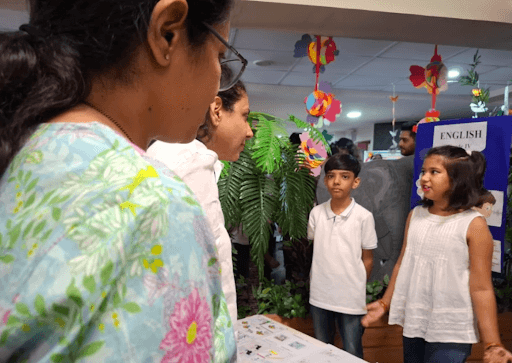

Have you ever noticed how small everyday actions, standing in line, respecting public spaces, or helping someone in need, quietly shape the kind of citizens children grow into? Civic responsibility isn’t something learned overnight; it is built gradually through awareness, practice, and example.
Schools play a crucial role in nurturing socially responsible individuals. Beyond academics, students must learn values such as respect, empathy, accountability, and active participation in their communities. When these principles are introduced early, they become habits that guide behaviour both inside and outside school.
This article explores the importance of instilling civic responsibility in students, how schools can cultivate awareness of social duties and ethical conduct, and how MRIS-51, one of the best schools in Gurgaon, leads the way by embedding civic values into everyday learning, preparing students to grow into conscious, responsible citizens of tomorrow.
Check Out | What Parents Should Look for in a Classroom—and How MRIS 51 Delivers
Why Civic Responsibility Matters in School Education
Civic responsibility forms the backbone of a healthy and inclusive society. It goes beyond knowing rules and laws, it is about understanding one’s role as a responsible individual who contributes positively to the community. Introducing these values during school years helps students grow into citizens who are aware, empathetic, and accountable.
When civic education becomes part of everyday learning, it supports students in meaningful ways:
- Builds social awareness: Students begin to understand how their actions affect others, encouraging respect for people, public spaces, and shared resources. This awareness nurtures a sense of belonging within the community.
- Encourages ethical behaviour: Learning about rights and duties helps students distinguish between what is right and wrong. It guides them to act with honesty, fairness, and integrity in daily situations.
- Promotes empathy and respect: Civic responsibility teaches students to appreciate diversity, listen to different viewpoints, and treat others with dignity, skills essential for peaceful coexistence.
- Prepares students for active citizenship: Early exposure to civic values equips learners to participate responsibly in society, whether through leadership roles, teamwork, or community engagement later in life.
By embedding civic responsibility into education, schools ensure that students don’t just grow academically but also develop the values needed to contribute thoughtfully and responsibly to the world around them.
How Schools Can Foster Civic Awareness and Responsible Behaviour
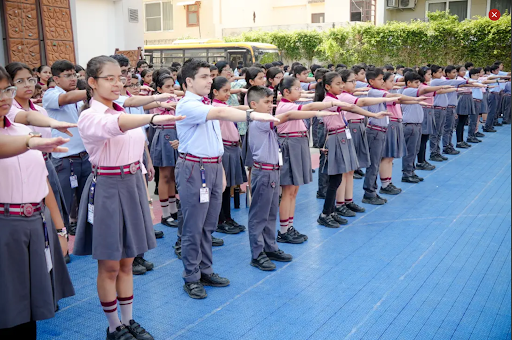
Civic responsibility is best learned through daily practice, not just theory. Schools play a powerful role in shaping behaviour by creating environments where values like respect, accountability, and participation are experienced consistently. When students see these principles in action, they naturally begin to adopt them.
Schools can foster civic awareness by:
- Integrating values into everyday routines: Simple practices such as maintaining cleanliness, respecting school property, and following shared rules help students understand responsibility in real-life contexts.
- Encouraging student participation: Activities like student councils, group decision-making, and leadership roles teach learners how to voice opinions responsibly and respect collective outcomes.
- Promoting community engagement: Involvement in social initiatives, awareness drives, or service-oriented activities helps students connect classroom learning with societal impact.
- Leading by example: When teachers and staff model ethical behaviour, fairness, and respect, students learn that civic values are not just taught, they are lived.
By embedding these practices into school life, civic responsibility becomes a habit rather than an obligation. Students begin to see themselves as active contributors to their surroundings, developing a sense of ownership and pride in their community.
The Role of Activities and Real-Life Experiences in Building Civic Values
Civic responsibility becomes meaningful when students can experience it beyond textbooks. Real-life activities allow children to practice values such as responsibility, cooperation, and respect in situations they can relate to, making learning more impactful and lasting.
Activities and experiential learning help build civic values by:
- Connecting learning to real situations: Cleanliness drives, awareness campaigns, or sustainability initiatives help students understand how small actions contribute to the larger community. These experiences make civic lessons tangible.
- Encouraging accountability and teamwork: Group tasks teach students to share responsibility, follow through on commitments, and work collaboratively, essential traits of responsible citizens.
- Developing leadership and initiative: When students are given roles in organising or leading activities, they learn decision-making, problem-solving, and the importance of ethical leadership.
- Building respect for rules and systems: Participating in structured activities helps students appreciate the importance of order, fairness, and discipline in maintaining harmony within a community.
Through hands-on experiences, civic education moves from abstract ideas to daily practice. Students learn that being a responsible citizen is not just about knowing their duties, it’s about living them consistently.
Check Out | Blending Knowledge with Real-World Skills
MRIS-51: Leading the Way in Nurturing Responsible Citizens
MRIS-51, one of the best CBSE schools in Gurgaon, believes that education is not complete unless students grow into socially aware and responsible individuals. Alongside academic excellence, the school places strong emphasis on instilling civic values that prepare learners to contribute positively to society.

At MRIS-51, civic responsibility is not treated as a separate subject but as a way of life woven into everyday learning experiences. Students are encouraged to understand their roles as individuals, classmates, and future citizens through consistent practice and reflection.
How MRIS-51 Embeds Civic Responsibility in School Life
- Value-driven school culture that promotes respect, discipline, empathy, and accountability in daily routines, helping students internalize civic behaviour naturally.
- Student participation and leadership opportunities that encourage learners to take ownership of responsibilities, voice opinions thoughtfully, and respect collective decisions.
- Activity-based initiatives and awareness programmes that connect classroom learning with real-world social issues, fostering sensitivity toward community needs.
- Emphasis on ethical conduct and respect for rules that helps students appreciate fairness, order, and mutual respect as foundations of a healthy society.
Through these consistent efforts, MRIS-51 creates an environment where civic values are practiced, not preached. Students gradually develop a sense of responsibility toward their surroundings, learning that even small actions contribute to larger social harmony.
By nurturing awareness, empathy, and active participation, MRIS-51 leads the way in shaping conscientious citizens who are prepared to engage responsibly with the world beyond school, confident not only in knowledge, but also in character.
For more information on MRIS and other similar schools, check out this list of the best schools in Gurgaon.

 as a preferred source on