







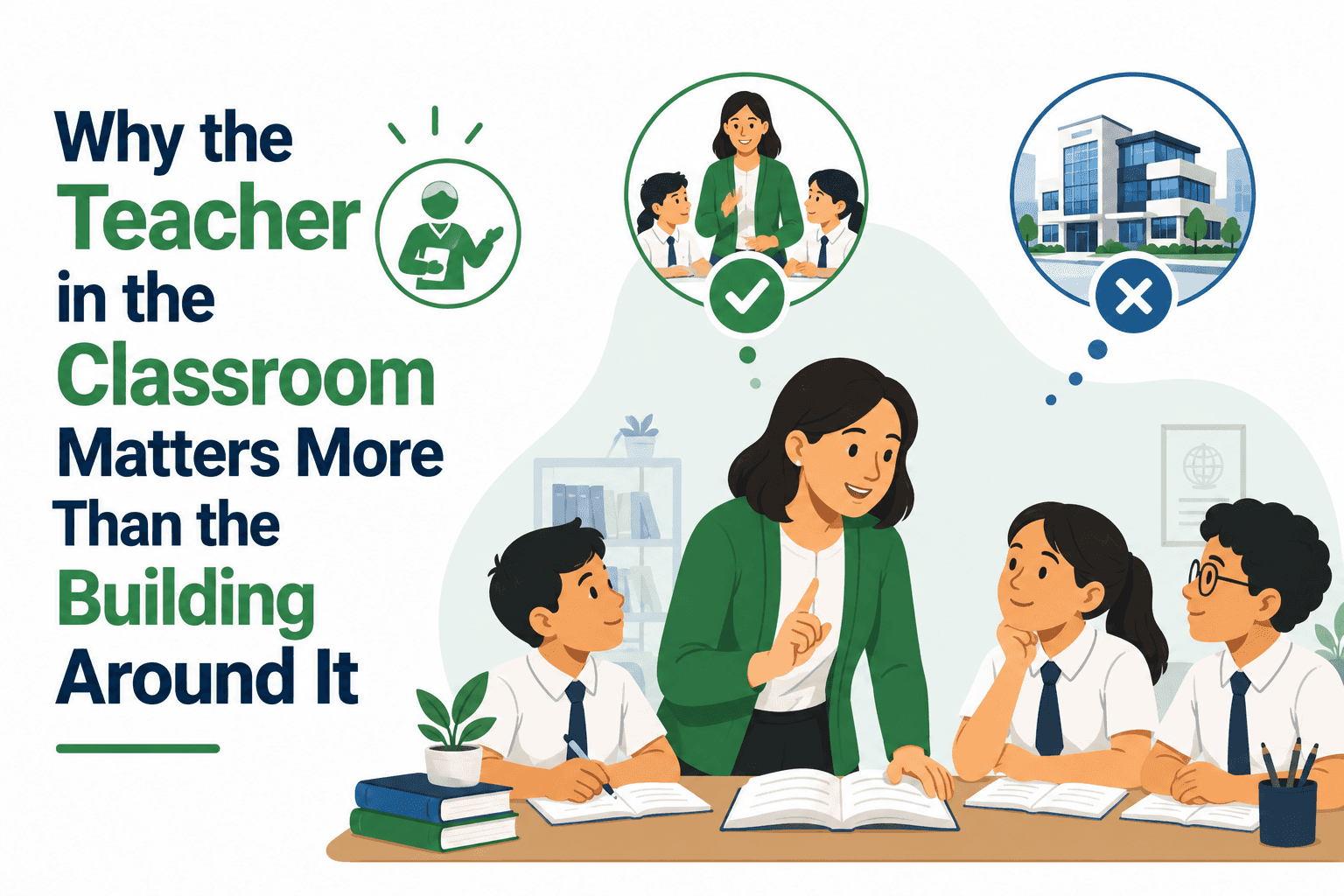

Walk into any school admissions fair, and you'll notice parents gravitating toward the same things: the size of the library, the number of smart boards, the colour of the playground equipment. It's natural. Infrastructure is visible, photographable, and easy to compare on a campus tour. But The Cambridge International School (TCIS), one of the best schools in Bangalore, believes the real differentiator lies somewhere less obvious — inside the classroom, in the person actually teaching your child. And the research backs this up. Study after study on school effectiveness points to the same conclusion: no single school-level factor influences student learning as much as teacher quality.
Why Teachers Make the Real Difference

It's easy to think of a teacher's job as simply "covering the syllabus." Walk into a genuinely good classroom, though, and you'll see something far more layered happening.
Turning Complicated Ideas Into "Oh, I Get It Now"
Any textbook can present a concept. A skilled teacher translates it — breaking a tangled idea into pieces a ten-year-old can actually hold onto. That's not a small skill. It's the difference between a child memorising a formula and a child understanding why the formula works, which is what makes learning stick long after the exam is over.
Building the Confidence to Try
Confidence in a classroom rarely comes from being told, "You're smart." It comes from a teacher who notices when a child gets something right, who lets them struggle just long enough to earn the answer themselves, and who makes it safe to be wrong in front of classmates. That quiet, repeated encouragement is often what turns a hesitant student into one who raises their hand first.
Spotting What a Report Card Can't
A good teacher is watching closely — not just for who's ahead or behind, but for why. They notice the child who's strong in discussion but freezes during written tests, or the one who breezes through numbers but struggles to explain their reasoning. That kind of individual reading to a child simply isn't something infrastructure, however impressive, can offer.
Keeping the "Why" Alive
Curiosity is fragile. It's easy to kill with rote learning and easy to nurture with the right question at the right moment. Teachers who ask "but why do you think that happens?" instead of just moving to the next topic are the ones who keep a child's natural curiosity intact — and often, that's what turns a subject into a lifelong interest rather than just another exam to clear.
Also Read| Academic Excellence in Schools
Why Qualifications Alone Don't Tell the Full Story
Here's where a lot of parents get the equation wrong: a strong degree or years of experience on a resume doesn't automatically mean a strong teacher. Subject knowledge is the entry ticket, not the whole show.
The teachers who actually move the needle for children tend to combine several things at once:
- Subject expertise deep enough to answer the unexpected question, not just the one in the lesson plan
- Classroom management that keeps 30 different personalities engaged without the room tipping into chaos or silence
- Emotional intelligence to read when a child is quiet because they're thinking, or quiet because something's wrong
- Continuous professional development, because the best teachers treat their own learning as ongoing, not finished the day they got their degree
- Adaptability, since no two batches of children — or even two days with the same batch — respond to teaching in the same way
It's this combination, not any single credential, that separates a teacher who fills a timetable slot from one who genuinely shapes how a child thinks.
Also Read| How "Differentiation" Unlocks Your Child’s Hidden Strengths
How TCIS Turns This Belief Into Practice
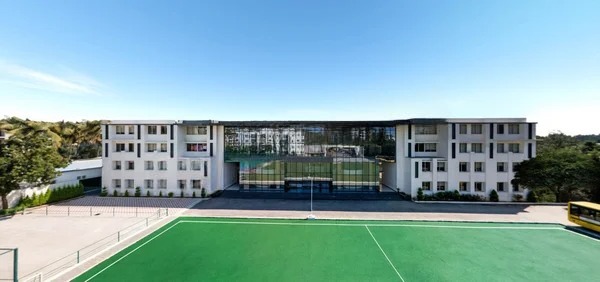
Schools that take teacher quality seriously don't just post a job opening and fill it by the start of term. They build the hiring process itself around finding the rare combination described above — and one of the best CBSE schools in Bangalore, The Cambridge International School Varthur, is a clear example of this approach in action.
A Recruitment Process Designed to Filter, Not Just Fill Seats
TCIS follows a five-level teacher recruitment process, and the numbers say a lot about how selective it actually is: only around 9% of applicants make it through to the other side. That's not a process built for convenience — it's built to be genuinely hard to pass, which is exactly the point.
Matching the Right Teacher to the Right Grade
Passing the recruitment bar isn't where it ends, either. TCIS places selected teachers according to grade suitability, recognising that the skills needed to teach a five-year-old to hold a pencil are simply not the same skills needed to guide a Grade 11 student through board exam pressure. Getting this match right matters as much as the hiring itself.
Educators Recognised Beyond the Classroom
It's worth noting how many TCIS teachers carry recognition beyond their own school walls — several have been honoured with National and Global teaching awards. That's a signal that the bar TCIS sets for itself isn't just an internal talking point; it's one that's been validated by people outside the school as well.
Choosing Depth Over Headcount
Put together, this recruitment philosophy reflects a simple priority: TCIS would rather have fewer teachers who are exceptionally well-suited to their roles than a fully staffed timetable filled with adequate ones. For a school, that's a harder, slower way to build a faculty. For students sitting in those classrooms every day, it's very often the difference that actually matters.
The Real Takeaway for Parents
The next time you're touring a school, it's worth asking a different set of questions than the usual ones about labs and Wi-Fi. Ask about the teacher hiring process. Ask how teachers are matched to grades. Ask what ongoing training looks like once someone's already been hired. Infrastructure can be renovated in the summer. A strong, well-matched teaching faculty takes years to build — and it's that faculty, more than any building, that will shape how your child learns, thinks, and grows.
For more information on this and similar schools in the area, check out this list of the best schools in Bangalore
 as a preferred source on