









When parents compare the top schools in Faridabad, or schools in any other city, they often look at fees, facilities, board results, activities, and infrastructure. But there is another factor that can quietly shape a child’s daily learning experience: how much the teachers themselves continue to learn. At Manav Rachna International School, Charmwood, Faridabad, this idea fits into a wider question that every parent can ask: are teachers getting opportunities to improve their teaching as education changes?
A good teacher does not stop learning after completing a degree or joining a school. Just as children learn new concepts every year, teachers also need to understand new teaching methods, technologies, classroom needs, and ways of helping different learners.
Teaching Has Changed, So Teachers Have to Keep Learning
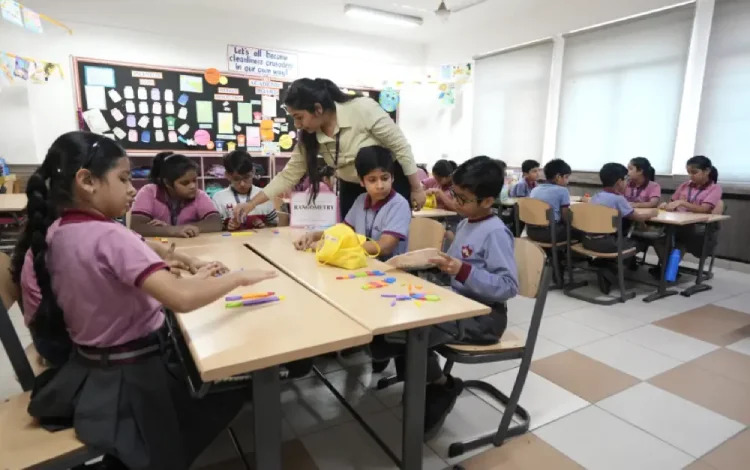
Imagine a teacher explaining fractions to a class. A traditional explanation might involve writing examples on the board and asking students to solve them. Another teacher might use measuring cups, pizza slices, or a simple shopping example to show how fractions work in everyday life. Both teachers understand mathematics, but their approach to helping children understand it can be very different.
This is where continuous teacher development matters. Professional development can include workshops, peer discussions, classroom observations, mentoring, subject training, research, and opportunities to test new teaching strategies.
Research supports this idea. A review by the Learning Policy Institute examined 35 rigorous studies and found that effective professional development was linked with changes in teaching practice and improvements in student outcomes. The review also found that useful professional learning tends to be sustained, practical, collaborative, and connected to what teachers actually teach.
This means teacher development is not simply about attending a seminar once a year. It is more useful when learning becomes part of the teacher's regular professional life.
Also Read | Wisdom Circle at MRIS Charmwood
What Continuous Learning Changes in a Classroom
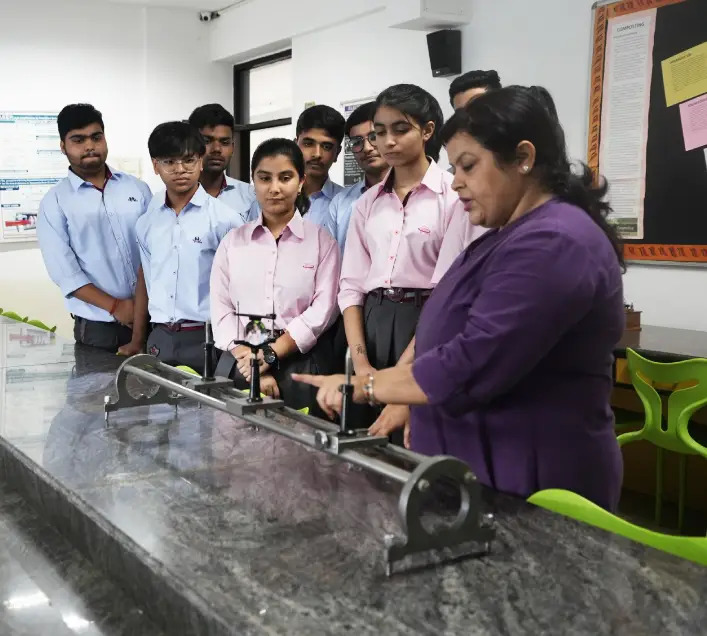
The biggest impact of teacher development is not the certificate a teacher receives after a workshop. It is what changes when that teacher walks back into the classroom.
For example, a teacher may notice that several students are struggling with a science concept. Instead of simply repeating the textbook explanation, the teacher could try a demonstration, use a visual model, divide the class into small groups, or ask students to explain the idea in their own words.
Continuous development can help teachers build this kind of flexibility.
|
When teachers learn to… |
Students may get more opportunities to… |
|
Use different teaching strategies. |
Understand difficult ideas in different ways. |
|
Use formative assessment. |
Receive feedback before a mistake becomes a habit. |
|
Encourage discussion. |
Explain and defend their thinking |
|
Use technology thoughtfully. |
Explore concepts through simulations and interactive activities. |
|
Reflect on lessons. |
Experience teaching that improves over time |
This connects with the idea of reflective practice, associated with education thinker Donald Schön. The basic idea is that professionals improve when they think carefully about what they did, what happened, and what they could change next time.
A simple classroom example is a teacher asking, “Only five students answered my question today. Did the others understand it, or did my question make it difficult for them to participate?” That small question can lead to a better lesson tomorrow.
The Best Teacher Development Happens Close to the Classroom
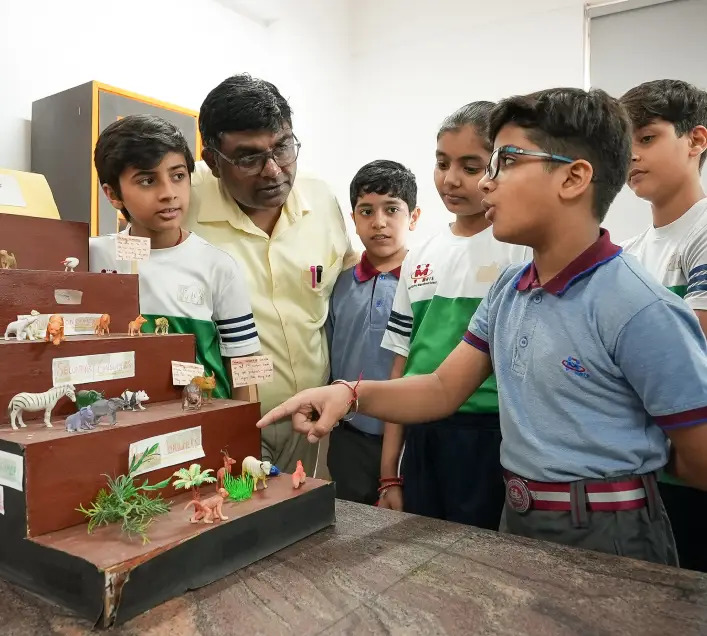
Not every professional development activity has the same value. Sitting through a long presentation may provide information, but teachers often need opportunities to practice, discuss, and apply what they learn.
The Learning Policy Institute identified several features of effective professional development, including active learning, collaboration, coaching, feedback, reflection, and sustained duration.
The Education Endowment Foundation has also reviewed research on teacher professional development, focusing on the characteristics associated with improvements in teaching quality and pupil attainment.
For parents, this can translate into some simple questions when understanding a school's approach to teaching:
- Do teachers regularly discuss classroom challenges with one another?
- Are teachers exposed to new teaching methods and subject knowledge?
- Do they receive feedback on their classroom practices?
- Are they encouraged to experiment, reflect, and improve?
- Is professional learning connected to students' actual needs?
There is also an important human side to this process. Research reviewed by the Learning Policy Institute suggests that teaching effectiveness can continue to improve with experience, although experience alone does not automatically make every teacher more effective. Continued learning and support remain important.
Also Read | Beyond Marks, Towards Meaningful Growth
When Teachers Learn, Students Notice the Difference

Consider a child who finds reading difficult. One teacher might initially see the problem as a lack of practice. After learning more about reading difficulties, another teacher may look more closely at vocabulary, comprehension, decoding, or the child's confidence and then adjust the support.
The same principle works in mathematics, science, languages, and even classroom behaviour. A teacher who keeps learning has more tools to understand why a student may be struggling instead of assuming that every child learns in the same way.
This is particularly important because today's classrooms include children with different interests, learning speeds, strengths, and support needs. Continuous development can help teachers move from a single teaching method towards a wider toolkit.
At Manav Rachna International School, Charmwood, Faridabad, the school's learning approach combines academics with experiential learning, design thinking, purposeful reading, technology, skill development, and inclusive practices. Its stated learning framework includes areas such as future skills, AI and robotics, practical learning, and personalised learning pathways, creating a setting where teachers need to support learning that goes beyond simply completing a textbook. For parents exploring the best schools in Charmwood, this broader approach to learning can be one aspect worth examining alongside academics and infrastructure.
Conclusion
A school can have smart classrooms and impressive facilities, but the daily interaction between a teacher and a student remains central to learning. Continuous teacher development helps that interaction evolve as children's needs, subjects, and teaching tools change.
For parents, the useful question is therefore not simply whether a teacher has years of experience. It is whether the school creates opportunities for teachers to keep learning, reflecting, and improving. When teachers remain, learners themselves, and classrooms have a better chance of becoming places where curiosity, feedback, and growth are part of everyday learning.
To know more about other schools in Faridabad, click on the link below



 as a preferred source on