







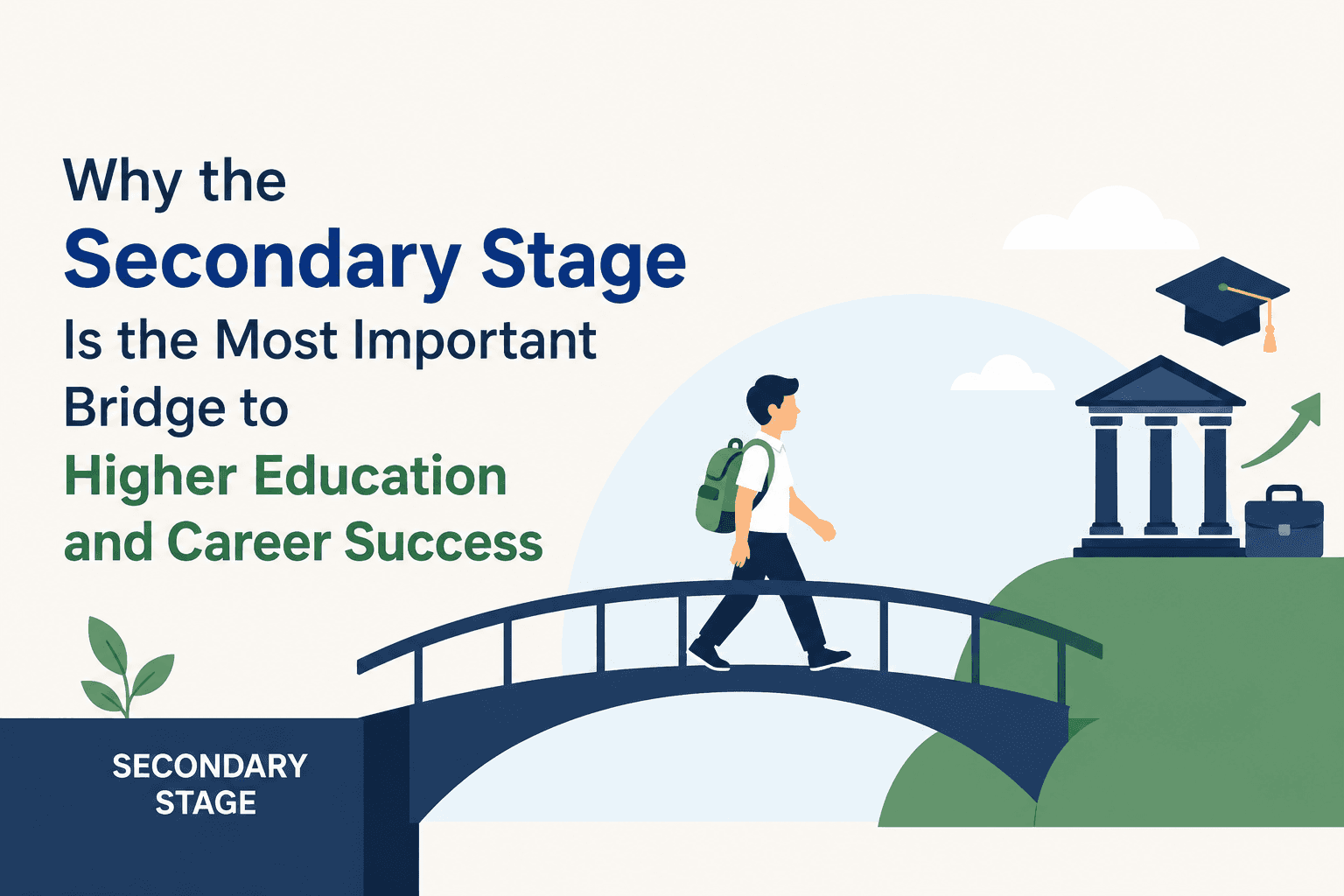

For most students, secondary school is where their future actually starts taking shape. Grades 9 and 10 aren't just about textbook concepts or board exams anymore — they mark a real turning point, the years when students begin figuring out what interests them, picking up skills that matter well beyond the classroom, and making choices that quietly shape everything that comes after.
The world outside school has changed a lot. Universities want students who can think critically, not just recall facts, and employers care as much about adaptability, communication, creativity, and problem-solving as they do about technical know-how. Against that backdrop, the job of secondary education has shifted too — good grades alone aren't enough anymore. Schools now need to prepare students for higher education and a job market that keeps changing shape. In this article, we’ll also take the example of one of the best schools in Bangalore, Maruthi Vidya Mandira (MVM) School, and how the school gives a boost to students after classes 9th and 10th.
The Shift from Learning to Applying
Up through middle school, education is mostly about building a foundation — facts, formulas, the basics across subjects. Secondary school changes the game by pushing students to actually use what they've learned.
Maths gets more analytical. Science moves past memorised facts into experimentation and reasoning. Languages sharpen communication and interpretation. Social sciences ask students to look at society, governance, and global issues from more than one angle.
That shift matters because higher education expects students to work through problems on their own rather than just reproduce information. Students who build that kind of analytical thinking in secondary school generally find university coursework a lot less jarring.
Developing Career Awareness Early
One of the real advantages of solid secondary education is early exposure to what different careers actually involve. Most students walk into Grade 9 with only a vague sense of what they want to do. Over the next two years, they start exploring different subjects, industries, and professions — engineering, medicine, commerce, design, law, entrepreneurship, the arts — and get a genuine feel for what each path demands.
None of this means forcing a teenager to decide their entire future on the spot. It's about giving them enough exposure to make informed choices later, whether that's picking subjects in senior secondary or applying to college.
Also Read| Skills for Real World Education through Success
Building Skills That Universities Value
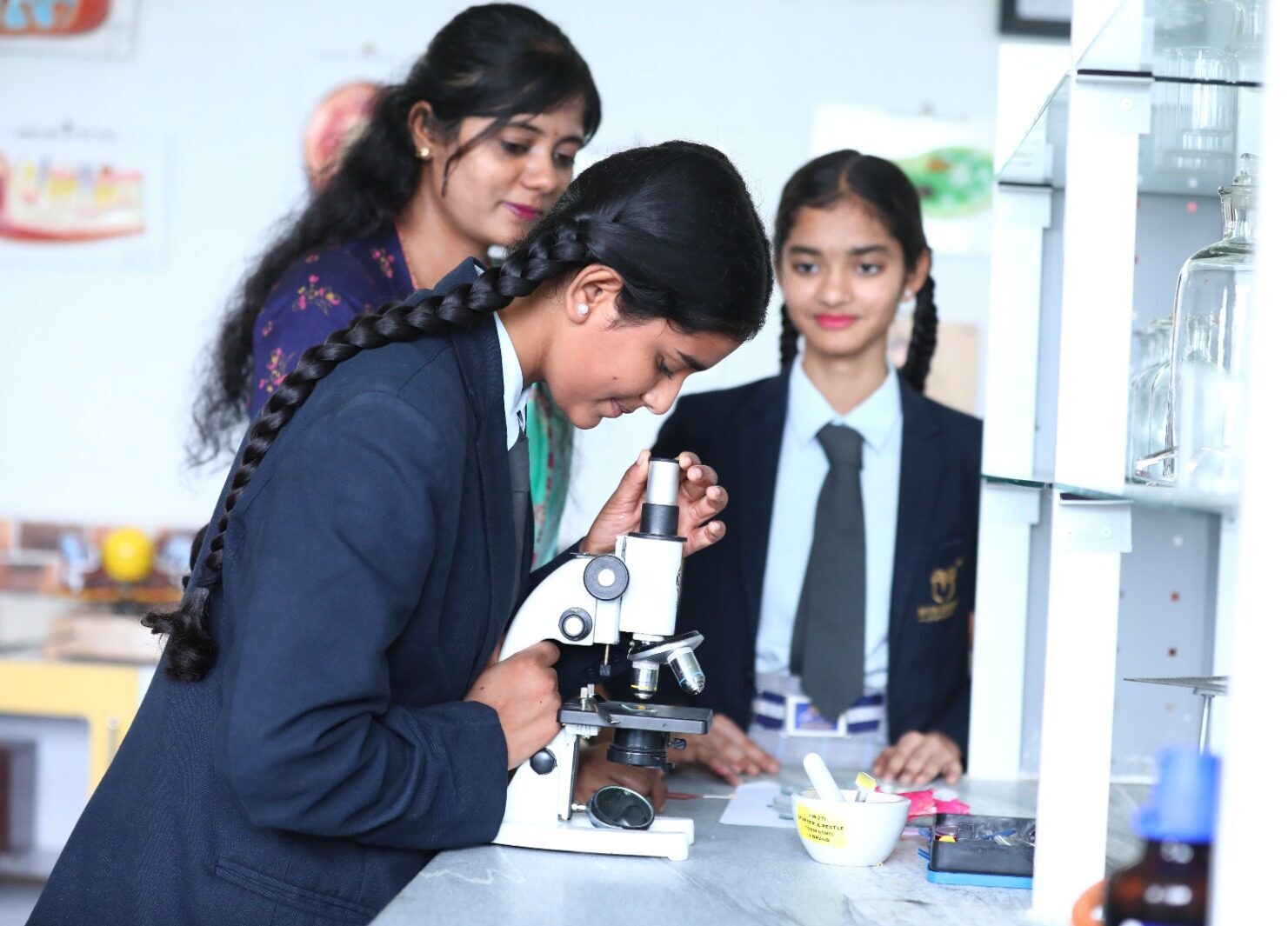
Grades matter, sure, but universities are increasingly looking for something broader than academic scores. Some of the skills that tend to develop most during secondary school include:
- Critical thinking and logical reasoning
- Effective communication
- Time management
- Research abilities
- Teamwork and collaboration
- Leadership qualities
- Adaptability
- Independent learning
These aren't just useful for entrance exams — they're the same skills that carry students through college, where nobody's chasing them to study and self-directed learning becomes the norm.
Preparing Students for a Changing Job Market
Chances are, today's students will end up working in jobs that don't even exist yet. Automation, AI, digital tech, and globalisation are reshaping industries faster than anyone can really keep up with — which means schools need to prepare kids not just for their first job, but for a lifetime of learning.
Employers today keep coming back to the same list of qualities:
- Problem-solving abilities
- Digital literacy
- Communication skills
- Creativity
- Emotional intelligence
- Collaboration
- Continuous learning
None of these shows up overnight in college. They start forming much earlier, and secondary school — with its projects, discussions, presentations, and interdisciplinary work — is exactly where that groundwork gets laid.
Also Read| Board Exam Preparation Tips
Subject Flexibility Encourages Better Choices
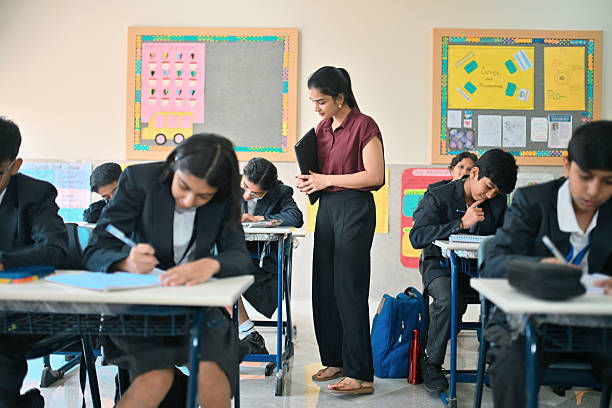
Every student is wired a little differently. Some do well in traditional academics; others find their strengths in technology, vocational skills, sports, or creative work. Giving students more freedom in choosing subjects lets their education actually match their goals, instead of forcing everyone through the same mould.
This idea has picked up real momentum under the National Education Policy (NEP) 2020, which pushes for multidisciplinary learning and more freedom to choose subjects based on genuine interest rather than convention. Schools are slowly moving away from the idea that there's only one path to success.
Confidence Matters as Much as Competence
Preparing students for higher education isn't purely an academic exercise. A lot of students struggle with the jump from school to college simply because they haven't built up confidence, independence, or decision-making skills yet. Secondary school plays a big part in helping students become people who can handle challenges on their own.
Classroom discussions, projects, competitions, extracurriculars, leadership roles, group work — all of it chips away at building resilience and self-belief. And students who genuinely believe in their own abilities tend to adapt faster when they land in unfamiliar situations.
How MVM's Secondary Stage Prepares Students for the Future
.jpeg)
At one of the best CBSE schools in Bangalore, Maruthi Vidya Mandira (MVM), the Secondary Stage is built with exactly this purpose in mind — a bridge between school and whatever comes next, whether that's higher education or professional life.
The Grade 9 and 10 curriculum gives students room for deeper subject specialisation without losing a well-rounded educational experience. Rather than aiming purely at exam prep, the program pushes students to build critical thinking, problem-solving, and practical skills that stay useful long after school ends.
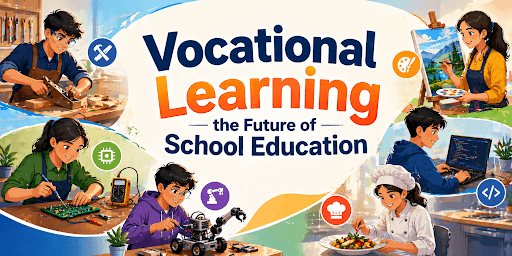
Subject flexibility is a big part of MVM's approach. Students get to explore academic, vocational, and technical pathways based on their own interests and goals — shaping an educational journey around their strengths, not forcing them into a fixed track.
The school also puts real weight behind personal growth and independence, encouraging students to take ownership of their learning, make thoughtful decisions, and build the confidence they'll need for whatever academic or professional challenges show up later. It's this combination that helps them become responsible, self-motivated individuals ready for what higher education expects of them.
In line with NEP 2020, MVM leans into holistic development through learner-centric teaching, experiential learning, and skill-building — pairing academic excellence with the kind of future-ready competencies that matter well beyond the exam hall.
Final Thoughts
The secondary stage is far more than another chapter in a student's school life. It's the period where interests turn into ambition, knowledge turns into practical understanding, and students start genuinely preparing for life beyond school.
When schools build environments that encourage specialisation, independent thought, career awareness, and holistic growth, students step into higher education with real confidence — and into the future ready to take on whatever comes next. In the end, the true measure of secondary education isn't just the exam results it produces, but the capable, curious, and adaptable individuals it sends out into the world.
For more information on this and other such schools in the area, check out this list of the best schools in Bangalore.


 as a preferred source on