








The early years of a child's life are pivotal in shaping their cognitive, emotional, and social development. Quality pre-primary education serves as the cornerstone for lifelong learning, establishing essential skills that determine academic success and personal growth. One of the best schools in Gurugram, ODM International School, stands as a beacon of excellence in early childhood education, offering a comprehensive CBSE-affiliated program that nurtures young minds through innovative pedagogical approaches.
In this article, we explore the fundamental aspects of effective pre-primary education, examining how age-appropriate teaching methods, play-based learning, and nurturing environments contribute to holistic child development and prepare students for future academic achievements.
Also Read | Mastering Public Speaking Skills
The Foundation Years: Why Pre-Primary Education Matters
Understanding the critical importance of early childhood education in brain development and long-term academic success.
Critical Brain Development Periods
The human brain experiences its most rapid development during the first six years of life, making pre-primary education crucial for cognitive growth. During this period, children form neural connections at an unprecedented rate, establishing pathways that influence their capacity for learning, reasoning, and emotional regulation throughout their lives. Quality early experiences directly impact how these neural networks develop and function.
Long-Term Academic Benefits
Research consistently demonstrates that children who receive quality early education are better prepared for formal schooling. They develop stronger language skills, improved social competencies, and enhanced problem-solving abilities. The National Education Policy 2020 emphasises foundational learning as the bedrock of educational success, recognising that investments in early childhood education yield the highest returns for individual and societal development.
Addressing Developmental Inequalities
Quality pre-primary programs also address developmental inequalities, providing all children with equal opportunities to build essential skills. Early intervention can identify and support children with learning differences, ensuring that every student receives appropriate guidance during these formative years. This inclusive approach creates stronger foundations for diverse learners and promotes educational equity from the very beginning.
Age-Appropriate Pedagogy: Tailoring Learning to Young Minds
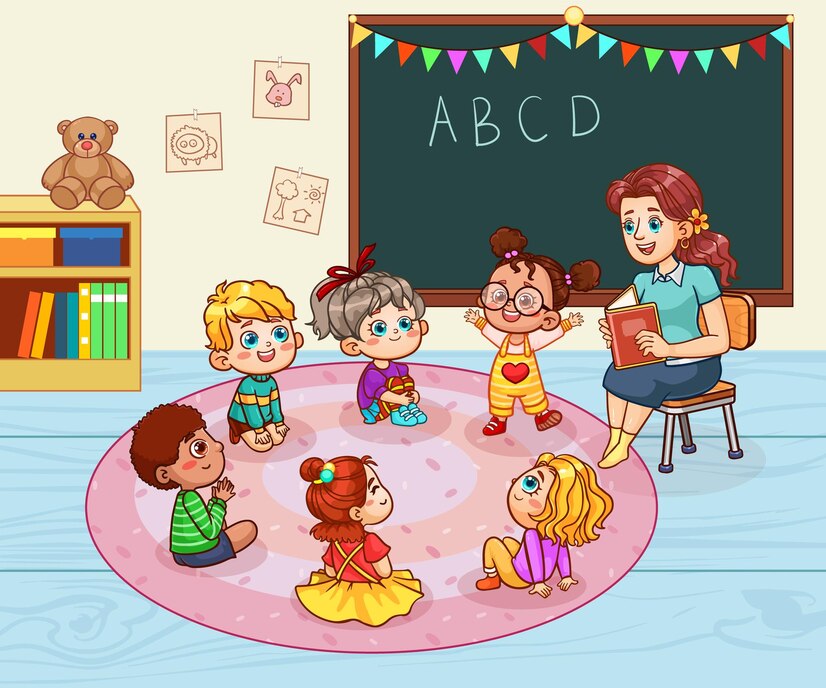
Exploring how educators adapt teaching methods to match developmental stages and individual learning needs.
Understanding Developmental Milestones
Pre-primary education requires specialised knowledge of child development stages. Educators must recognise that three-year-olds learn differently from five-year-olds, adapting their approaches accordingly. Age-appropriate pedagogy focuses on hands-on experiences, concrete concepts, and gradual skill progression. Teachers observe individual children closely, identifying their unique strengths and areas needing support to customise learning experiences effectively.
Balancing Structure with Flexibility
Effective pre-primary programs maintain consistent routines while allowing flexibility for spontaneous learning opportunities. Children thrive with predictable schedules that include varied activities, rest periods, and transitions. This structure provides security while accommodating different learning styles and paces. Teachers create environments where children can explore independently while receiving appropriate guidance and support when needed.
Play-Based Learning: Where Fun Meets Foundation
Examining how structured play activities facilitate cognitive development and skill acquisition in young learners.
The Science Behind Learning Through Play
Play serves as the primary vehicle for learning in early childhood, allowing children to explore concepts naturally and joyfully. Through imaginative play, children develop language skills, creativity, and social competencies. Building blocks teach spatial reasoning and mathematical concepts, while role-playing activities enhance communication and emotional intelligence. Neuroscience research confirms that playful learning activates multiple brain regions simultaneously, strengthening memory formation and skill retention.
Sensory and Exploratory Play
Sensory play experiences engage multiple learning pathways simultaneously, strengthening neural connections and improving retention. Sand tables, water play, and tactile materials help children understand scientific concepts through direct manipulation and experimentation. These hands-on experiences develop fine motor skills while introducing basic physics principles like cause and effect, volume, and texture differences.
Social Play and Collaboration
Collaborative games teach cooperation, turn-taking, and conflict resolution skills essential for social development. Outdoor play environments provide opportunities for gross motor development and nature exploration. Climbing, running, and balancing activities strengthen physical coordination while playground interactions foster friendship formation and social skill development. These experiences contribute significantly to overall health and wellbeing.
Building Essential Skills: Literacy, Numeracy, and Communication
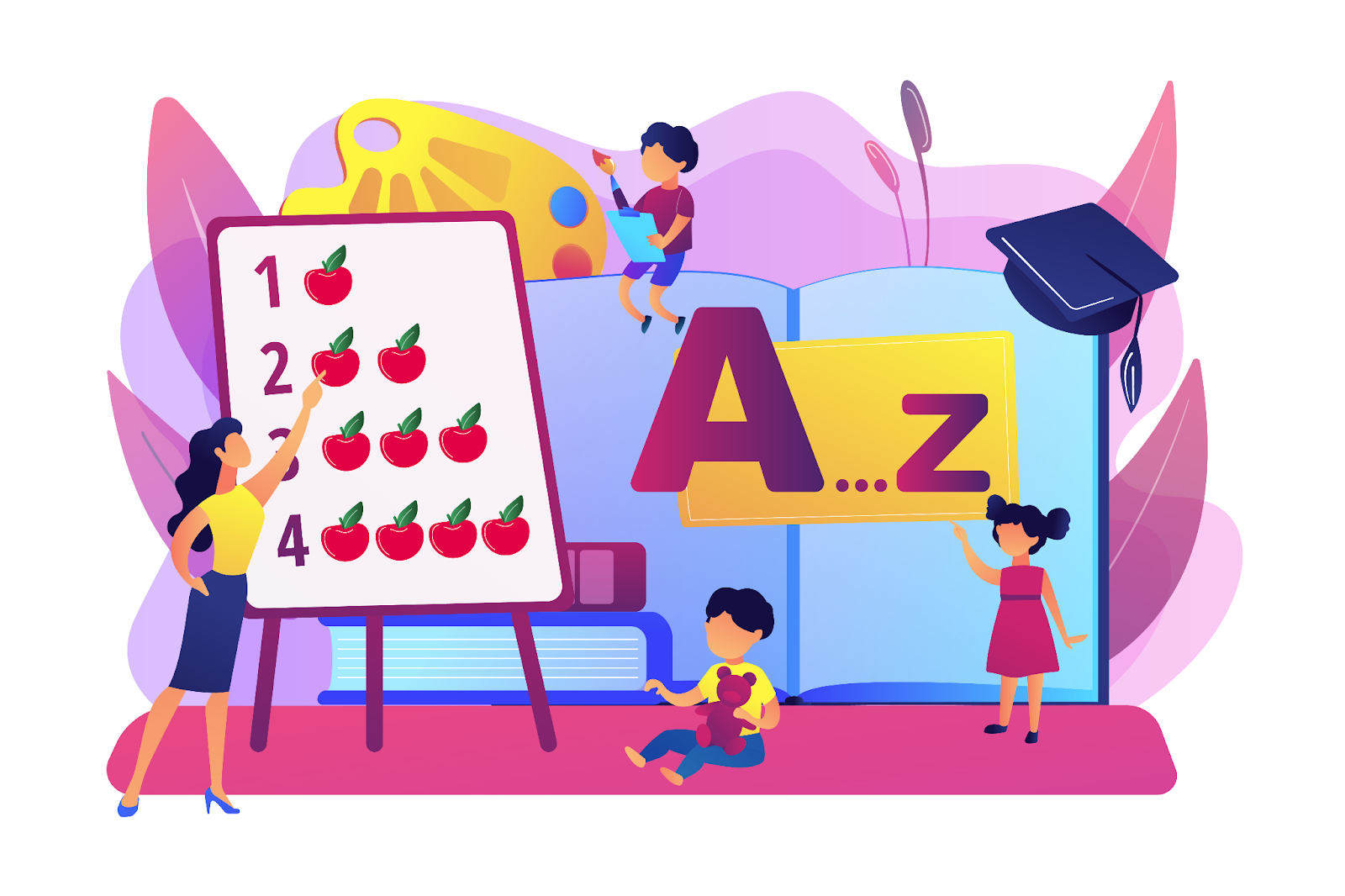
Focusing on foundational skill development through engaging activities and interactive learning experiences.
Early Literacy Development
Pre-literacy skills form the foundation for reading and writing success. Storytelling sessions introduce children to narrative structures, vocabulary expansion, and comprehension skills. Picture books encourage visual literacy and imagination, while phonics activities help children understand letter-sound relationships. Interactive reading experiences where children participate in storytelling develop both listening and speaking abilities.
Mathematical Foundations
Early numeracy concepts emerge through playful exploration of patterns, shapes, and quantities. Counting games, sorting activities, and measurement experiences introduce mathematical thinking naturally. Children learn to recognise numbers, understand one-to-one correspondence, and explore basic geometric concepts through hands-on manipulation of objects and materials.
Communication Skills Enhancement
Effective communication development requires rich language environments where children hear diverse vocabulary and engage in meaningful conversations. Circle time discussions, show-and-tell activities, and peer interactions provide multiple opportunities for verbal expression. Teachers model proper language use while encouraging children to express their thoughts, feelings, and ideas confidently.
Creating a Nurturing Environment: Safety, Care, and Confidence
Examining the essential elements that create supportive learning spaces for young children's emotional and social growth.
Emotional Security and Trust
Young children require emotionally secure environments to engage in learning effectively. Warm, responsive relationships with caregivers provide the foundation for exploration and risk-taking. When children feel safe and valued, they demonstrate greater willingness to try new activities, ask questions, and persist through challenges.
Teachers trained in early childhood development understand the importance of consistent, positive interactions. They recognise that emotional needs must be met before cognitive learning can occur. This approach includes:
- Acknowledging children's feelings and emotions
- Providing comfort during difficult transitions
- Celebrating individual achievements and progress
- Creating inclusive spaces where all children feel welcomed
Building Independence and Confidence
Structured environments that encourage age-appropriate independence help children develop self-confidence and decision-making skills. Simple choices, such as selecting activities or helping with classroom tasks, empower children while teaching responsibility. Gradually increasing expectations support growth while maintaining achievable goals that build successful experiences.
Check Out | Beyond Traditional PTMs
ODM International School, Gurgaon: Nurturing Early Years Excellence Through Play-Based Learning
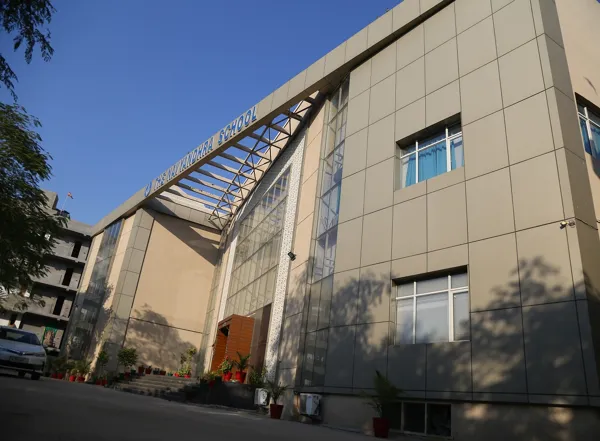
Located in Sector 49, Gurgaon, Haryana, ODM International School operates as a premier CBSE-affiliated institution serving students from KG through XII. Established as part of the distinguished ODM Educational Group founded in 1989, the school upholds a legacy of educational excellence spanning over three decades of dedicated service to student development.
The school's pre-primary program exemplifies the innovative CPX 360 Degree Learning Model, focusing on Character building, Potential identification, and Excellence cultivation. Each child receives individual attention through the comprehensive mentoring system, ensuring personalised growth strategies. The program integrates age-appropriate technology tools, health monitoring systems, and continuous parent communication to support holistic development from the earliest years.
One of the best CBSE schools in Gurugram, ODM International School's early childhood facilities feature state-of-the-art infrastructure designed specifically for young learners. The experienced faculty, averaging 12 years of educational expertise, implements specialised curricula that include swimming, creative arts, music, and movement activities. Regular health assessments, nutritional guidance, and developmental tracking ensure comprehensive care for each child's physical and cognitive growth.
Recognition as the Best Emerging School of Eastern India reflects the institution's commitment to educational innovation and excellence. As part of India's 5th-ranked CBSE School group, ODM International School prepares young learners for global citizenship while maintaining strong Indian values.
Parents seeking exceptional early childhood education are encouraged to explore the admission process and discover how this nurturing environment can provide their children with the strongest foundation for lifelong learning success.
For more information on this and other similar schools in the area, check out this list of the best schools in Gurugram.
 as a preferred source on