








After hearing the word "fashion," most parents form a narrow image, which stops a lot of students from exploring one of the most genuinely multi-dimensional industries in the world. One of the best schools in Faridabad, Manav Rachna International School (MRIS), Sector 14, has built its Fashion Shala program around a different premise entirely: that fashion is a serious field of study, that it draws on more disciplines than most people realize, and that students deserve to encounter its full breadth before deciding whether it's the direction they want to pursue.
So before we get to what Fashion Shala does, it's worth dismantling the misconception first.
Fashion Is Not What Most Parents Think It Is
The "fashion is for people who like clothes" assumption is one of the most limiting things a student can carry into their career thinking. It reduces a vast, complex, global industry to aesthetics; moreover, it quietly discourages students who are strong in business, technology, psychology, or sustainability from even considering it as a path. That's a real loss, because the fashion industry doesn't just need people who can draw. It needs people who can think.
What the Fashion Industry Actually Runs On
Here's a more accurate picture. A brand like Nike, Zara, or H&M doesn't run on designers alone. Behind every product that reaches a consumer are teams of trend analysts who study where culture is headed, buyers who decide which materials and products to invest in, merchandisers who plan what goes in which stores and when, visual storytellers who shape how a brand looks and feels across channels, and product developers who take a concept from sketch to manufacturable reality. There are sustainability leads managing the environmental cost of production, data analysts reading consumer behavior, marketers building brand identity, and technologists developing the tools that design and manufacturing now depend on. While Fashion design is important, it is not the whole picture.
Also Read| The Need for Strong Foundations
The Real Dimensions of Fashion as a Career
Let’s study this with respect to three separate domains.
Art, Psychology, and Consumer Behavior
What makes fashion commercially significant is the psychology underneath it. Why do people pay more for one product than another that's functionally identical? Why does a color trend emerge, sweep through global markets, and then fade within eighteen months?
These questions are answered not by aesthetics alone but by understanding how identity, aspiration, community, and emotion all shape what people buy. Students who study this dimension of fashion develop analytical skills that are transferable across marketing, communications, retail, and brand management, not just fashion specifically.
Marketing, Branding, and Business
Every fashion label is a brand before it's a product. The story a company tells about itself is built by people who understand marketing, positioning, and communication strategy. Behind that is a business architecture: supply chains, pricing models, inventory decisions, distribution strategies, profit margins.
Fashion is one of the few industries where the creative and commercial dimensions are inseparable. A student who understands both has a genuinely valuable combination of skills.
Technology and Sustainability
Fashion is also one of the industries most visibly transformed by technology, from AI-assisted trend forecasting and 3D design tools to augmented reality try-ons and digital-first product launches. And increasingly, it can't be separated from sustainability.
Consumers, regulators, and investors are all scrutinizing the environmental and social cost of fashion at a level that wasn't true a decade ago. Circular design, responsible sourcing, textile innovation, and carbon accounting have all become core concerns for any serious fashion business. Students who understand this landscape early are better placed to work in and shape the industry that's emerging, not the one that's already fading.
The Teams Behind Every Label You Know
Understanding the roles that actually populate a fashion business changes how students see their own potential fit within it. A student with strong analytical instincts might find themselves drawn to trend research or consumer behavior. Someone with business and logistics inclinations might head into buying or merchandising. A student with communication skills and visual sensibility might build a career in brand strategy or visual storytelling. A technically minded student interested in materials and manufacturing has a clear path in product development. And a student who cares deeply about environmental impact has a growing field of sustainability-focused roles to move into.
None of these paths requires a student to be able to draw a gown. They require the student to understand how an industry that touches every human being on the planet actually works.
Also Read| 5 books Every Child should read for Lifelong Learning
Fashion Shala at MRIS Sector 14, Faridabad
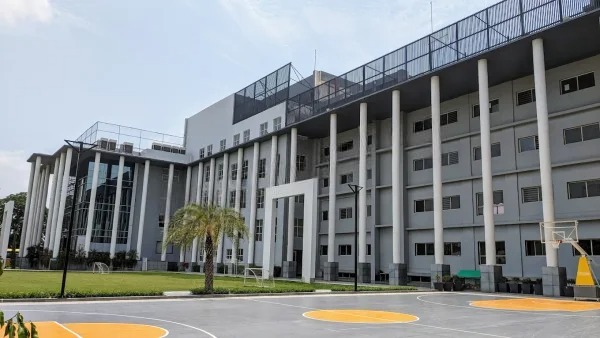
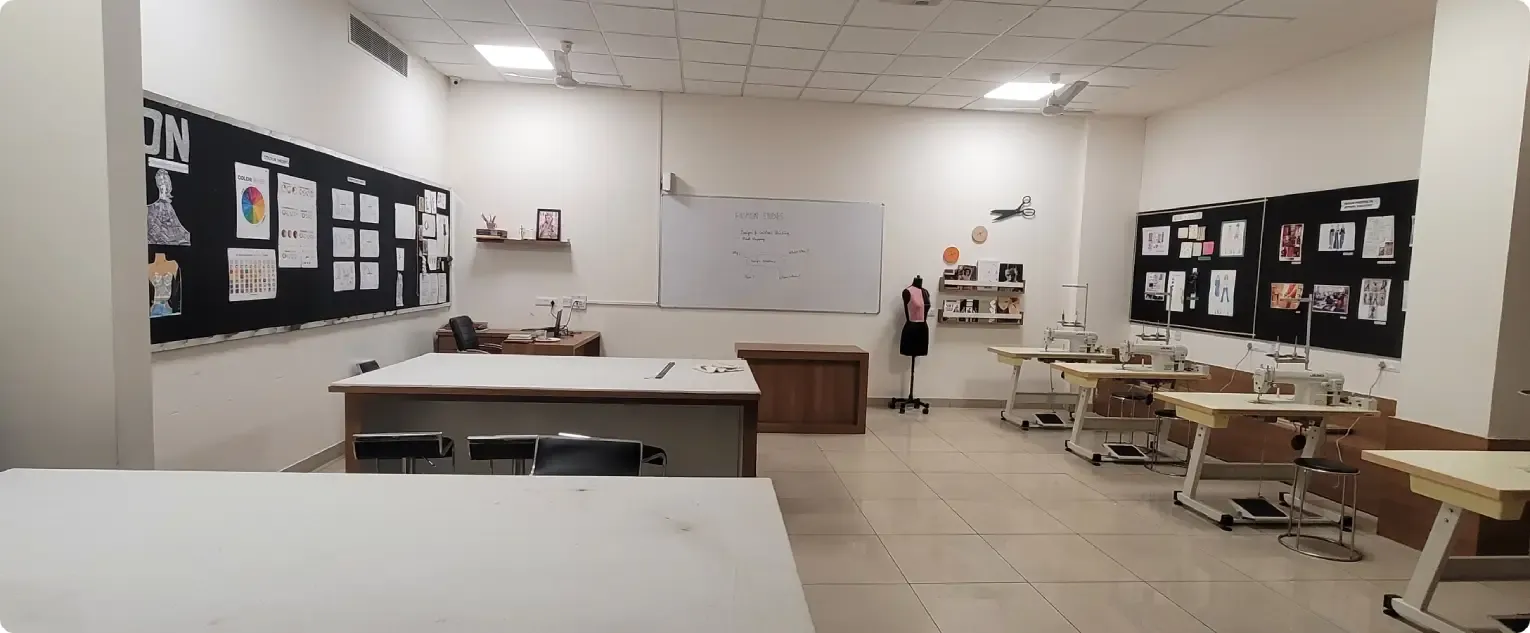
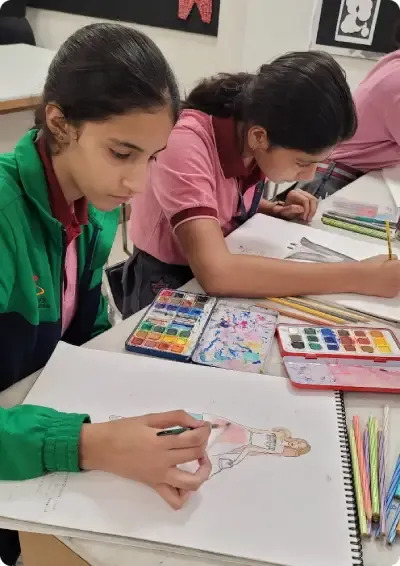
The concept of Fashion Shala at one of the top CBSE schools in Faridabad, Manav Rachana International School (MRIS), Sector 21, is described as a pioneering concept. What makes it genuinely distinctive is what it chooses to focus on. Rather than centering fashion education on clothing construction alone, Fashion Shala integrates design thinking, fundamentals of design, design research, and craft explorations that span both traditional and contemporary practices.
Students learn to approach a design problem the way a professional would: by researching the context first, identifying what's needed, and making informed creative decisions rather than purely instinctive ones. Craft explorations connect students to the material and cultural roots of design, a realization that produces more thoughtful, aware designers and thinkers, not just technically capable ones.
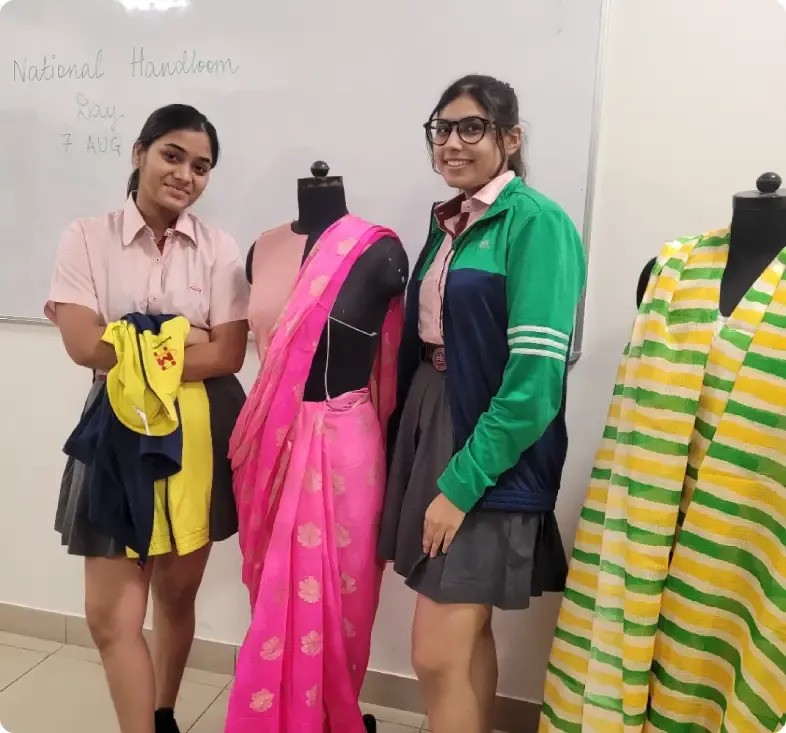
The program culminates in fashion shows and exhibitions, thus giving students a real audience for their work and the experience of presenting and defending their creative decisions publicly. That combination of research, making, sustainability thinking, and presentation is far closer to what a professional creative career actually demands than anything a conventional school timetable typically offers.
Conclusion
Fashion is art, psychology, marketing, branding, business, technology, sustainability, and communication. Students who encounter it only through the lens of "designing clothes" are missing most of what makes it a serious, diverse, and genuinely viable career field. At MRIS Sector 14, Faridabad, Fashion Shala is built to change that — giving students the conceptual framework, practical experience, and design literacy to understand this industry on its own terms, and to make an informed choice about whether it's the direction they want to grow in.
For more information on this and similar schools, check out this list of the best schools in Faridabad.
 as a preferred source on