







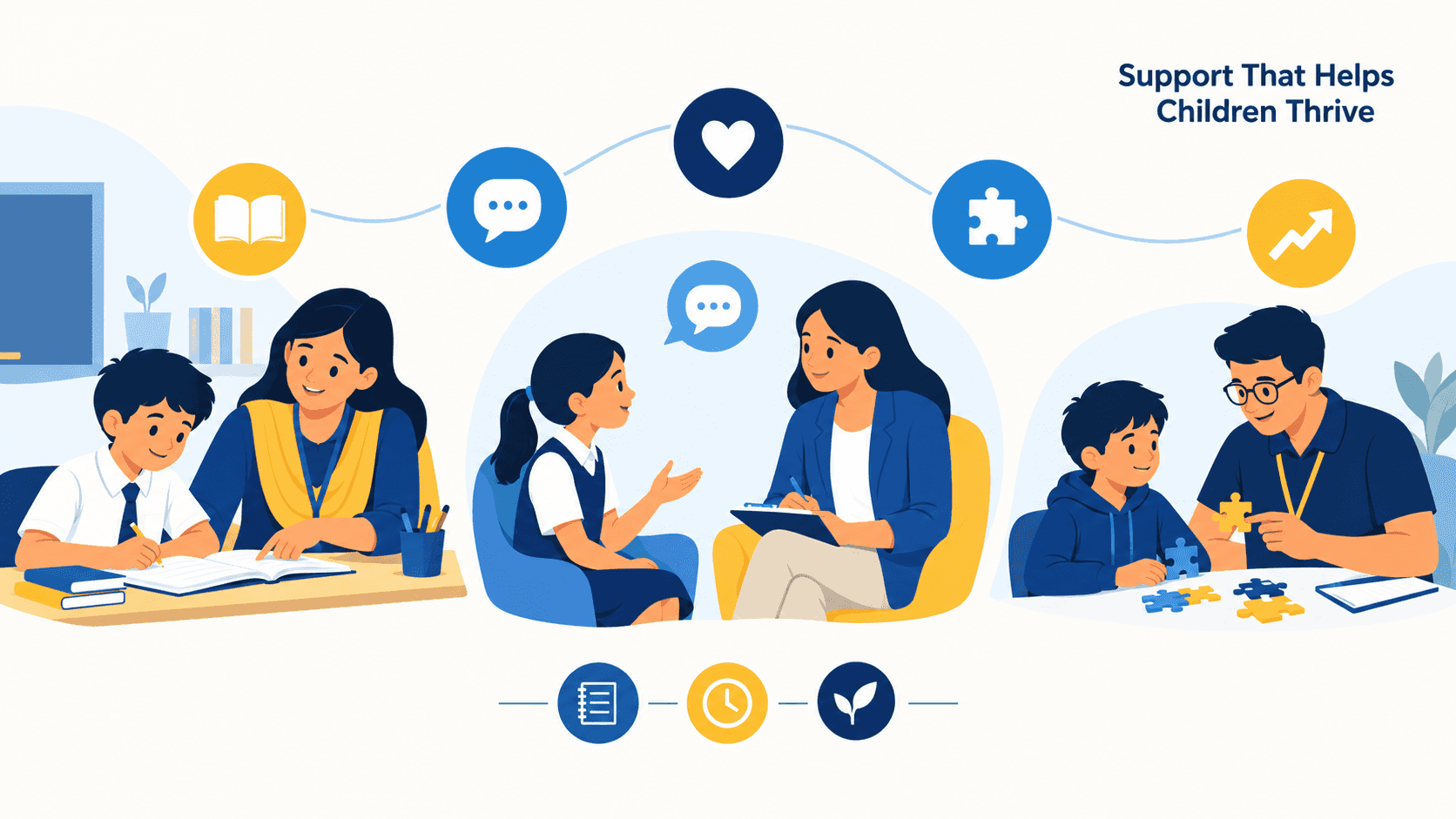

When parents compare the top schools in Gurugram, they often look at board results, teaching methods, infrastructure, activities, and fees. But there is another question that deserves equal attention: What happens when a child finds something difficult? A student may understand science but struggle to speak in front of others. Another may score well but feel overwhelmed by exam pressure. A third may need help with communication, attention, movement, or organization. At Manav Rachna International School, Sector 46, Gurugram, comprehensive student support shows why a good school needs to look beyond the textbook.
The important idea is simple: children do not learn in neat categories. Academic progress, confidence, relationships, emotions, communication, and physical development often affect one another. This is why support services should not be treated as something reserved only for students facing major difficulties. They can form part of the wider learning environment that helps children become independent learners.
Learning Is More Than Understanding a Lesson
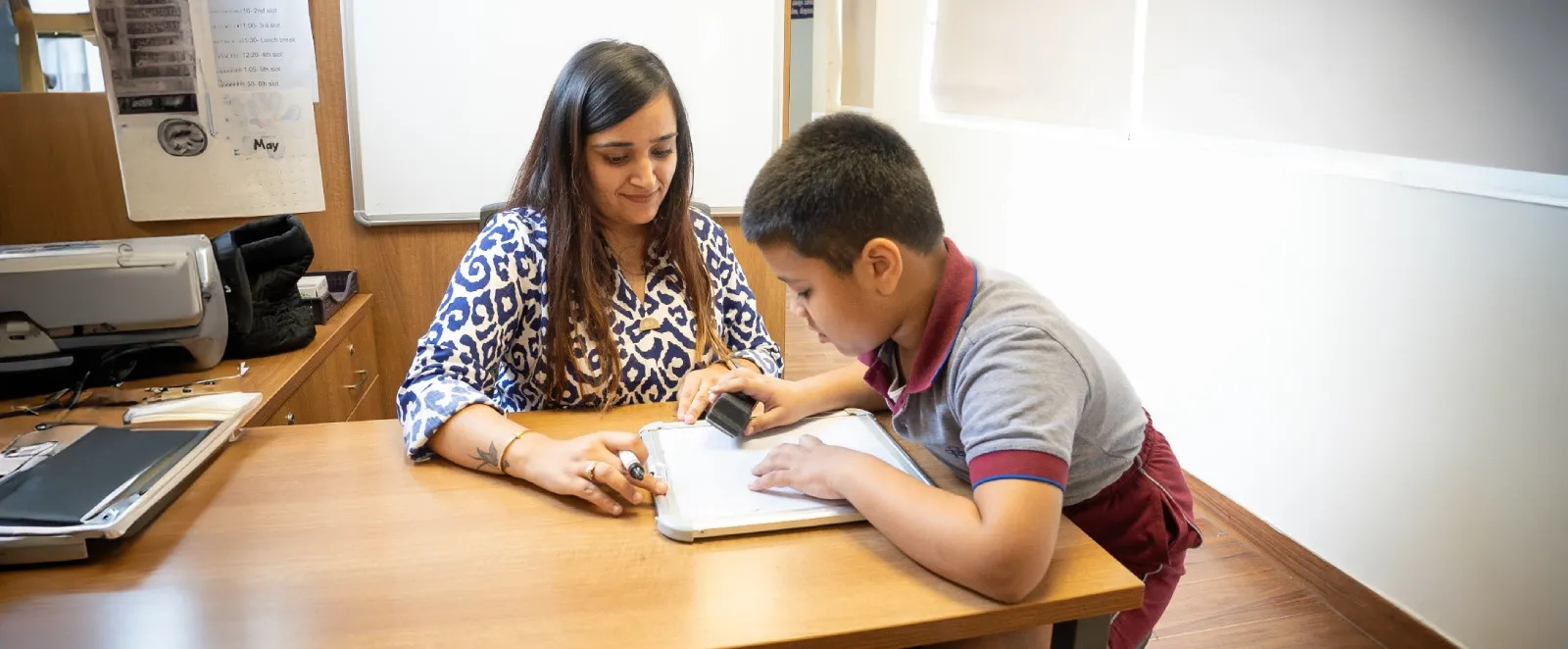
Imagine a child who knows the answer to a math question but cannot finish the worksheet on time. The problem may not be math at all. It could be difficulty with attention, planning, reading instructions, or managing anxiety.
This is where the idea of cognitive load becomes useful. Our working memory can handle only a limited amount of information at one time. If a child is worrying about making mistakes, remembering several instructions, and trying to solve a problem simultaneously, there is less mental space left for the actual learning task.
Similarly, psychologist Lev Vygotsky's idea of the Zone of Proximal Development suggests that children can often achieve more with the right guidance than they can independently at first. The goal of support, therefore, is not to do the work for the child. It is to provide the right bridge until the child can manage more independently.
Useful support may include:
- Breaking a complex task into manageable steps so that the student knows where to begin.
- Helping children develop time-management and organizational habits instead of simply reminding them about deadlines.
- Reinforcing classroom concepts when a student needs another route to understand them.
- Supporting communication, self-regulation, or sensory needs when these affect classroom participation.
The best support gradually builds independence rather than creating dependence.
Also Read | Nestlings: A Unified Early Years Program
Why Emotional and Social Support Belongs in Education
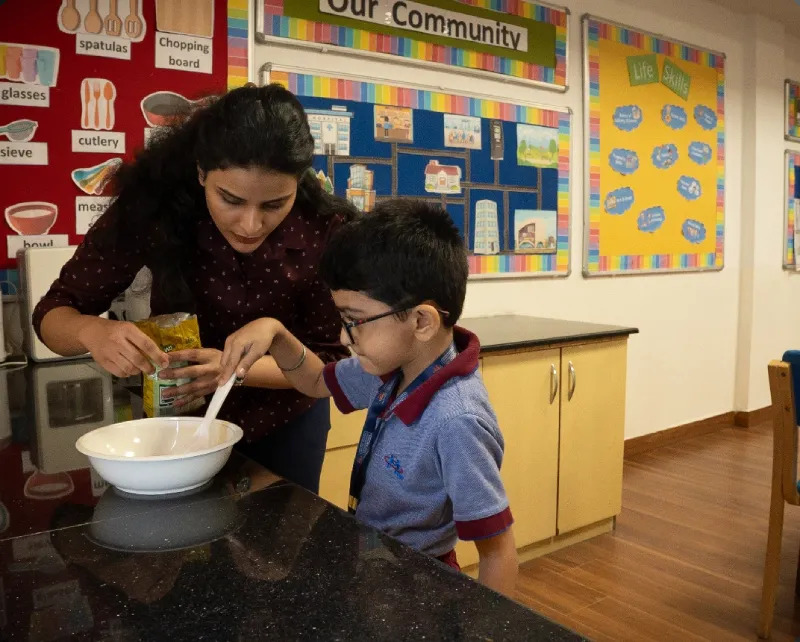
A child who is worried about a friendship, nervous about an upcoming test, or afraid of being judged may find it harder to concentrate. That does not mean every academic difficulty is an emotional problem. It simply means that learning happens within a larger social and emotional environment.
A 2025 systematic review of research involving school-going adolescents in India found that positive school climate factors, including supportive teacher relationships, peer support, school belonging, and connectedness, were associated with better emotional health and academic performance.
The idea of school connectedness is especially interesting. Recent research describes it through relationships with the school, teachers, and peers and links stronger connectedness with several aspects of student psychological well-being.
This makes counseling and emotional support more than a crisis response. They can help children understand what they are feeling, communicate concerns, and develop healthier ways of dealing with everyday challenges.
|
A child's challenge |
What supportive intervention can build |
|
Fear of speaking in class |
Communication and confidence |
|
Difficulty organizing homework |
Planning and time management |
|
Trouble making friends |
Social and emotional skills |
|
Feeling overwhelmed by tasks |
Self-regulation and coping strategies |
|
Difficulty understanding instructions |
Communication and learning strategies |
The World Health Organisation, UNESCO, and UNICEF's 2026 guidance for teachers similarly stresses safe and inclusive classrooms, positive relationships, social-emotional skills, early recognition of difficulties, and connections with families and wider support systems.
The Power of a Team Around the Child
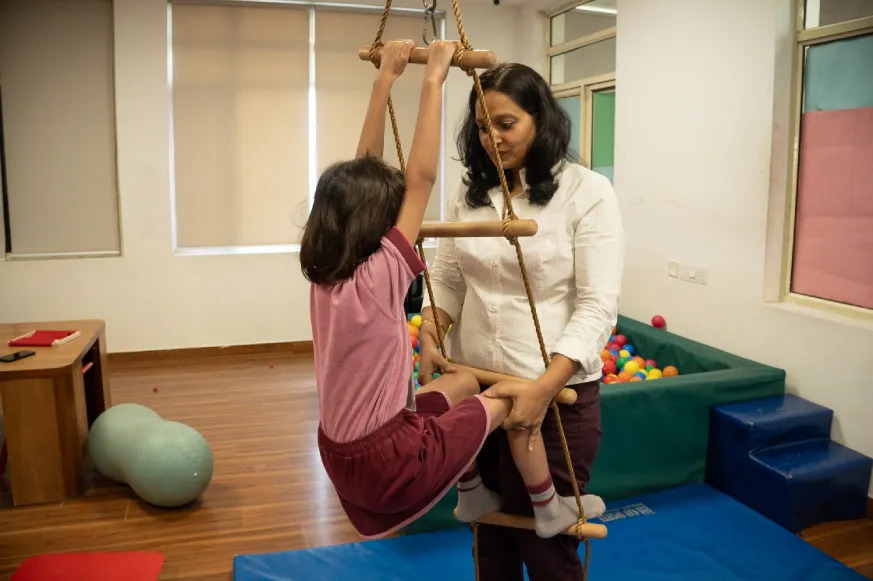
One of the biggest mistakes schools can make is treating every challenge as the responsibility of one person. A teacher may notice that a child is struggling, but the solution might require collaboration between teachers, counsellors, special educators, therapists, and parents.
Think about a student who frequently avoids writing tasks. A teacher may initially think the child is simply unwilling to work. A deeper assessment might reveal difficulty with fine-motor skills, language processing, attention, or confidence. Once the reason becomes clearer, the support can become more precise.
This is why comprehensive systems often combine different forms of expertise. UNICEF's guidance on accessible schools also emphasizes creating inclusive, barrier-free environments where children with disabilities can learn and participate alongside their peers.
Support can therefore involve:
- Academic support, when classroom concepts need reinforcement.
- Special education, when learning needs require individualised approaches.
- Speech and language support, when communication affects learning or participation.
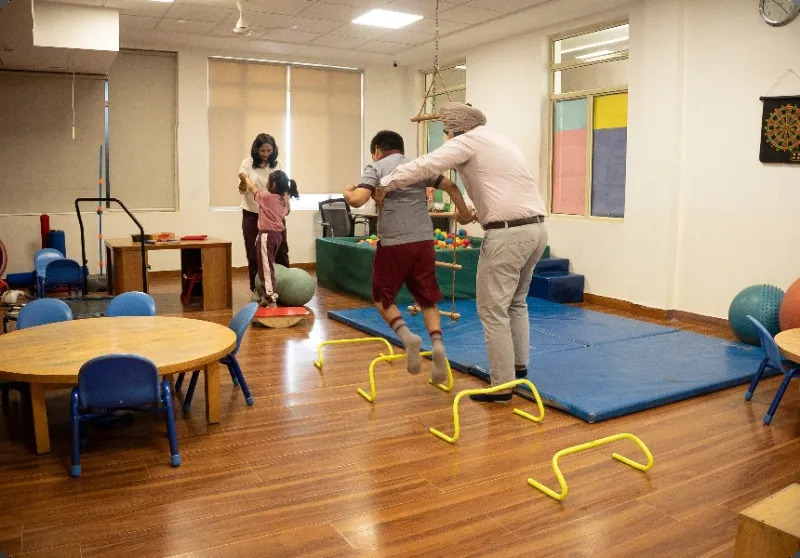
- Occupational therapy, where sensory, self-care, motor, or self-regulation needs affect everyday functioning.
- Counselling, when emotional or social concerns become barriers to learning.
- Parent guidance, so that strategies used at school can be understood and supported at home.
There is also evidence that social-emotional learning can contribute to academic progress. The Education Endowment Foundation's evidence review estimates an average benefit equivalent to about three additional months of academic progress over an academic year, although outcomes vary between programmes and contexts.
What Parents Should Look for in a School
For parents, the real question is not simply whether a school has a counsellor or special educator. It is whether these services are connected to everyday learning.
A useful checklist includes:
- Does the school identify learning or developmental needs early?
- Can teachers work with specialists instead of handling every concern alone?
- Are parents included when support plans are created?
- Is progress reviewed rather than assumed?
- Does support focus on independence and practical skills?
- Are emotional, social, communication, and physical needs considered alongside academics?
- Can students receive help without feeling labelled or separated unnecessarily?
This matters because a child's needs can change. A student may need considerable support in one stage and much less later. A good support system should be flexible enough to change with the child.
How Manav Rachna Builds a Wider Support System
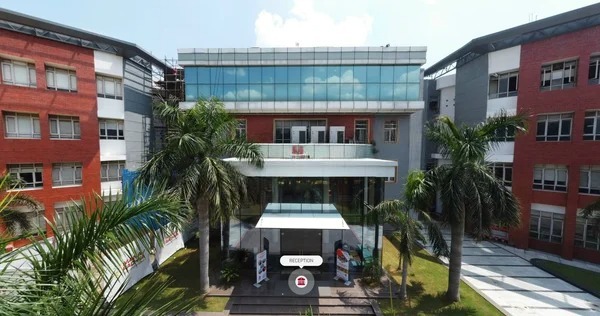
At Manav Rachna International School, Sector 46, Gurugram, the SEN department says it has been working since 2013 to support students with diverse learning needs. Its stated approach includes early identification, individual and group interventions, cognitive and learning support, behaviour modification, classroom reinforcement, social and emotional support, parent counselling, and support for physical and sensory difficulties. The school also describes special education, speech and language therapy, occupational therapy, and student counselling as part of its support ecosystem.
Its approach also involves multidisciplinary assessment and individualized education plans, with parents included in setting goals and reviewing progress. This kind of integrated approach reflects what parents may look for when comparing the top CBSE schools in Gurugram: not simply how a school teaches when everything is going smoothly, but how thoughtfully it responds when a child needs a different route to succeed.
Conclusion
Student success is rarely the result of one brilliant lesson, one high score, or one talented teacher. It grows from many small forms of support working together. When children know that someone will help them understand a difficult concept, manage a challenge, communicate their needs, or find a better strategy, they can spend less energy worrying about whether they can learn and more energy actually learning.
That is the real value of comprehensive support services. They do not lower expectations for children. Done well, they give children the tools, confidence, and support needed to meet those expectations in their own way.
To know more about other schools in this area, click on the link below
 as a preferred source on