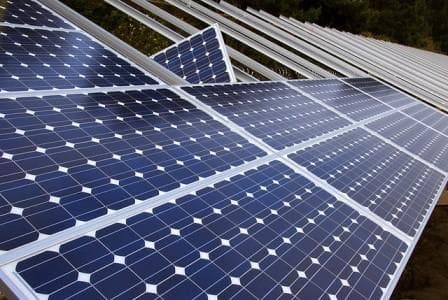

The education department signed an agreement with the power department, and 21 schools were fitted with solar panels on a pilot basis. A feasibility study by the power department found 550 school buildings suitable for setting up the panels. Director of Education Binay Bhushan said the pilot schools have reported lesser recurring costs.
Mr.Binay Bhushan quoted “A school in Andrews Ganj would get a monthly electricity bill of Rs 30,000-Rs 40,000. This was brought down to Rs 7,000; for the last three months, it has come down to zero. Currently work is on to install panels in 100 other schools and is close to completion. Once done, work will begin in another 100,”
He also illustrated several benefits for schools and the education department. The reduction of recurring costs, the department’s resources can be diverted elsewhere. The in-house production of electricity can also enable schools to afford electricity supply whole day for students and facilities like AC classrooms etc, which they would have not considered due to costs. A normal educational institute functions for around 230 days in a year, while the generation of solar power is for 310-320 days.