









Education today extends far beyond textbooks and test scores. The concept of a 'Happiness Quotient' in schools has emerged as a crucial metric for measuring student wellbeing and overall educational success. Research consistently shows that happy students perform better academically, develop stronger social skills, and grow into well-adjusted adults.
One of the best schools in Greater Noida West, The Millennium School, a CBSE-affiliated institution established in 2018, exemplifies this approach by creating an environment where joy and learning go hand in hand. In this article, we'll explore what happiness quotient means in educational settings, why it matters, and how schools can cultivate environments that nurture both academic excellence and emotional wellbeing.
Also Read | Recognizing Every Spark: How TMS Unlocks Student Potential
The Critical Importance of Happiness in Educational Settings
Student happiness isn't just a feel-good concept- it's a fundamental requirement for effective learning. Understanding why happiness matters and the science behind it helps educators create better learning environments.
Why Student Happiness Matters More Than Ever
Today's students face unprecedented pressure from academic competition, social media, and future uncertainties. Studies indicate that stressed students struggle with concentration, memory retention, and creative thinking. Happy students, conversely, show improved focus, better problem-solving abilities, and stronger resilience during challenges.
The ripple effect of student happiness extends beyond individual performance. Schools with higher happiness quotients report better attendance rates, reduced behavioural issues, and stronger parent satisfaction. These positive outcomes create a cycle where happiness breeds more happiness throughout the educational community.
The Science Behind Happy Learning
Neuroscience reveals fascinating insights about how positive emotions impact brain function. When students feel safe and happy, their brains release chemicals like dopamine and serotonin, which enhance memory formation and learning capacity. Stress hormones like cortisol, on the other hand, impair cognitive function and block creative thinking.
Research shows that positive classroom environments activate the prefrontal cortex, the brain region responsible for executive functions. This activation improves decision-making skills, emotional regulation, and social awareness- all crucial for academic and life success.
Defining and Measuring the Happiness Quotient in Schools

Understanding what constitutes happiness in educational settings requires looking at multiple factors. Measuring these elements helps schools identify areas for improvement and track progress over time.
What Constitutes a School's Happiness Quotient
A school's happiness quotient encompasses several interconnected elements. Student engagement levels, measured through participation in activities and classroom discussions, provide valuable insights. Teacher job satisfaction directly impacts classroom atmosphere and student experiences.
Parent feedback offers another crucial perspective, as happy students typically share positive experiences at home. The sense of belonging students feel within their school community, peer relationships, and opportunities for personal expression all contribute to the overall happiness quotient.
Assessment Tools and Methods
Schools employ various methods to measure happiness levels effectively. Regular student surveys focusing on emotional wellbeing, school satisfaction, and stress levels provide quantitative data. Focus group discussions offer deeper insights into specific concerns or suggestions.
Behavioural observations during classes, breaks, and extracurricular activities reveal patterns that surveys might miss. Some schools also track absenteeism rates, disciplinary incidents, and academic performance trends as indirect happiness indicators. These comprehensive assessment approaches help create a complete picture of school climate.
Building Blocks of a High Happiness Quotient Environment
Creating genuinely happy learning environments requires planning and consistent implementation. Several key elements work together to foster student wellbeing and academic success.
Holistic Curriculum Design
Modern educational approaches recognise that students need more than academic knowledge to thrive. Successful schools integrate life skills training, emotional intelligence development, and character building into their daily curriculum. This balance helps students develop both intellectual capabilities and emotional resilience.
Experiential learning opportunities make education more engaging and meaningful. When students connect classroom concepts to real-world applications through projects, field trips, and hands-on activities, learning becomes enjoyable rather than burdensome. This approach naturally increases motivation and happiness levels.
Teacher Wellbeing and Professional Development
Happy teachers create happy classrooms. Schools that invest in educator wellbeing through professional development, reasonable workloads, and supportive management see direct benefits in student happiness. Teachers who feel valued and supported bring positive energy to their interactions with students.
Continuous learning opportunities keep educators engaged and inspired. When teachers feel confident in their abilities and excited about new teaching methods, their enthusiasm becomes contagious. Students respond positively to passionate, well-prepared educators who genuinely care about their growth.
Infrastructure and Learning Environment
Physical spaces significantly impact mood and learning capacity. Well-designed classrooms with natural light, comfortable seating, and engaging displays create positive atmospheres. Recreation areas, libraries, and specialised facilities for arts and sports provide outlets for different interests and energy levels.
Key infrastructure elements that boost happiness include:
-
Safe, clean, and well-maintained facilities
-
Technology integration that enhances rather than overwhelms learning
-
Quiet spaces for reflection and individual work
-
Collaborative areas that encourage peer interaction
-
Outdoor spaces for physical activity and nature connection
The Role of Community and Values in Student Happiness
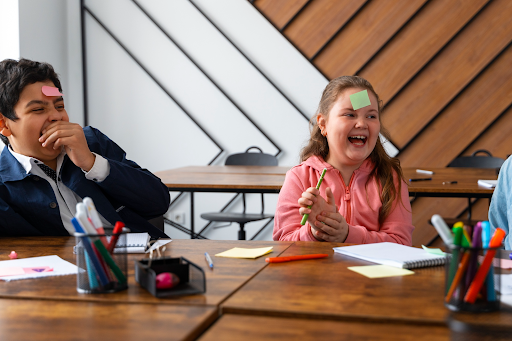
Strong school communities built on shared values create environments where students feel secure, valued, and motivated to contribute positively. These elements form the foundation of lasting happiness and personal growth.
Building Strong School Communities
Peer relationships play a crucial role in student happiness and development. Schools that actively facilitate positive interactions through group projects, peer mentoring programs, and collaborative activities help students build meaningful friendships. These connections provide emotional support and make school a place students want to be.
Parent-school partnerships strengthen the support network around each student. When families feel welcomed and involved in their children's education, students benefit from consistent messages and expectations. Regular communication, volunteer opportunities, and family events build these important connections.
Values-Based Education
Character development programs help students understand their place in the larger community and develop empathy for others. When schools emphasise values like respect, responsibility, and compassion, students learn to contribute positively to their environment rather than simply consuming education passively.
Social-emotional learning initiatives teach students to recognise and manage their emotions, set goals, and maintain healthy relationships. These skills directly impact happiness levels and prepare students for future challenges. Global citizenship awareness helps students feel connected to something larger than themselves, fostering purpose and meaning.
Check Out | Unlocking True Potential
The Millennium School, Greater Noida West: EW Award Winner for 'School With The Highest Happiness Quotient'

One of the best CBSE Schools in Greater Noida West, The Millennium School, stands as a remarkable example of educational excellence combined with student happiness. Established in 2018 as a CBSE-affiliated institution in Knowledge Park V, Greater Noida West, the school serves over 1200 students with a dedicated team of 115+ staff members. The campus features state-of-the-art infrastructure, including a grand auditorium accommodating 1000 people and more than 20 sports arenas, creating an environment where learning and joy flourish together.
The school's happiness-focused initiatives demonstrate innovative approaches to student wellbeing. The EMBRACE Program builds empathy and self-awareness through structured social-emotional learning. The SafeSpeak Box, led by student leaders, provides a safe space for children to express their feelings freely. Aurora Coaching sessions help students discover their strengths and set personal goals, while the comprehensive Talent Development Program ensures every child finds their passion in sports, visual arts, or performing arts.
Teacher wellbeing receives equal attention through comprehensive professional development programs. Professional Learning Weeks (PLW), conducted three times yearly, provide intensive training and rejuvenation opportunities. Professional Learning Communities (PLCs) foster continuous growth in areas like AI integration, inclusive education, and creative pedagogy. Staff wellbeing initiatives include regular excursions, celebrations, and an open-door policy that ensures every educator feels valued and supported.
The school's recognition with the EW Award for 'School With The Highest Happiness Quotient' validates its commitment to creating joyful learning experiences. Built on four pillars- Academic Excellence, Life Skills & Wellbeing, Holistic Beyond Academics, and Sustainability & Global Citizenship- the NEP 2020 aligned curriculum prepares students for both academic success and meaningful lives. With round-the-clock security, GPS-enabled transportation, and a vision to nurture compassionate global citizens, The Millennium School proves that academic excellence and student happiness can thrive together.
Discover how The Millennium School, Greater Noida West, creates an environment where every child thrives in happiness and academic excellence. Apply Now to give your child the gift of joyful learning and holistic development.
For more information on this and other similar schools in the area, check out this list of the best schools in Greater Noida West






 as a preferred source on