









While choosing a school, many parents look for a school’s academics, faculty, and facilities. But there's one factor that quietly influences all of those things and rarely gets the same attention: food. A growing child's brain and body run on what's on their plate, and for parents considering a residential setup, this question becomes even more important, since the school effectively takes over three meals a day, every day. It's one of the reasons one of the best boarding schools in India, like Ashok Hall Girls' Residential School, treats nutrition as part of their well-being framework rather than an afterthought handled by a distant kitchen.
Before looking at what a thoughtful nutrition program actually involves, it helps to understand why food matters so much during the school-going years in the first place.
The Real Connection Between Food and Learning
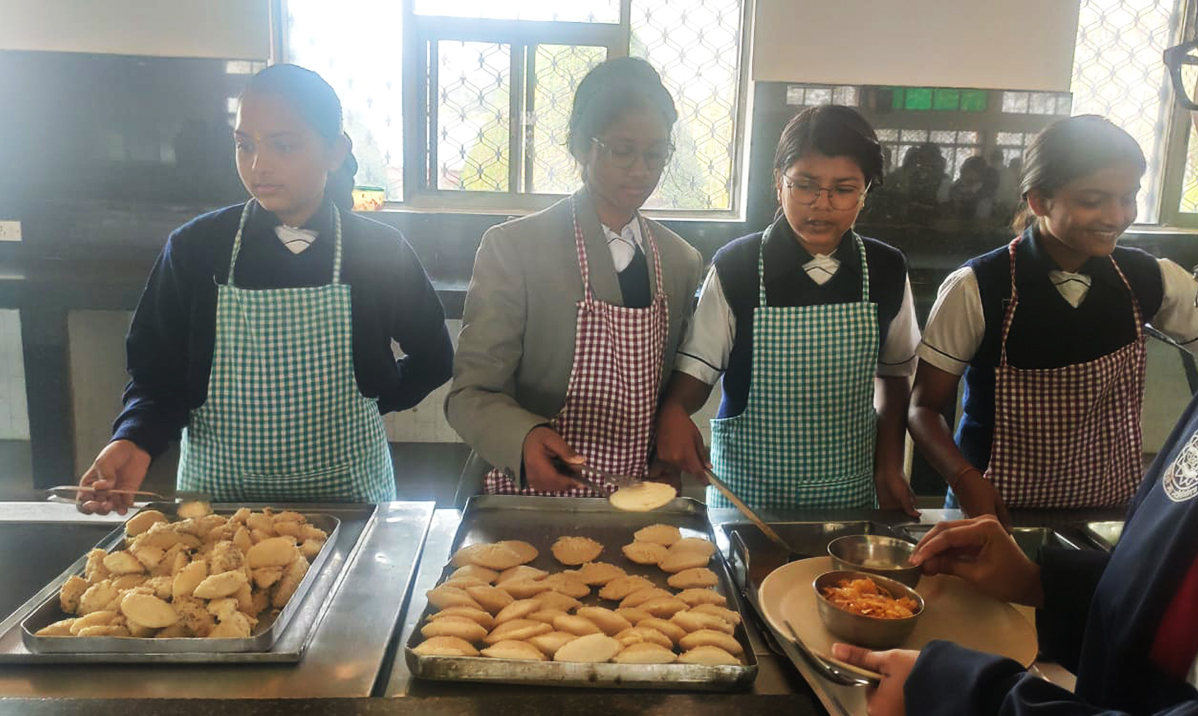
Childhood and adolescence are periods of rapid physical and cognitive growth, and both processes are fueled by nutrition. A child who's malnourished, even mildly or inconsistently, tends to show it in ways that go far beyond height and weight charts.
Concentration and classroom performance. The brain uses a disproportionate share of the body's daily energy, and it's picky about how that energy arrives. Steady blood sugar levels from balanced meals help children stay focused through a school day, while sugar-heavy snacks or skipped meals often show up as afternoon crankiness, restlessness, or a noticeable dip in attention during the last few periods of the day.
Physical growth and immunity. Protein, calcium, iron, and a range of micronutrients are the literal building blocks of a growing child's bones, muscles, and immune system. Deficiencies in these areas can quietly affect energy levels, resistance to illness, and even mood, often before a parent notices anything is wrong.
Emotional regulation. Nutrition and mood are more connected than most people realize. Blood sugar crashes, dehydration, and nutrient gaps can all manifest as irritability or low motivation, which are easy to misread as behavioral issues when the root cause is simply an unbalanced diet.
Long-term eating habits. The habits formed in childhood tend to stick. A child who grows up eating a variety of fresh, home-style food is far more likely to make sensible food choices as an adult than one who grows up on convenience food. This is exactly why the years spent at school matter so much in shaping lifelong patterns.
What to Look for in a School's Food Program
For parents evaluating any school, especially a boarding one, a few questions are worth asking directly rather than assuming the answer:
- How many meals are provided daily, and do they include fresh fruit and dairy, not just carbohydrate-heavy staples?
- Is the food freshly prepared, and with what quality of ingredients?
- Does the school follow a fixed, generic menu, or does it adapt based on any dietary considerations?
- Is there any effort to get students involved in food choices so that healthy eating feels like a habit rather than a rule imposed on them?
These questions matter because a school's meal program isn't just about avoiding hunger but a part of education itself, teaching children what balanced eating looks like in practice every single day.
How Ashok Hall Girls' Residential School Approaches It
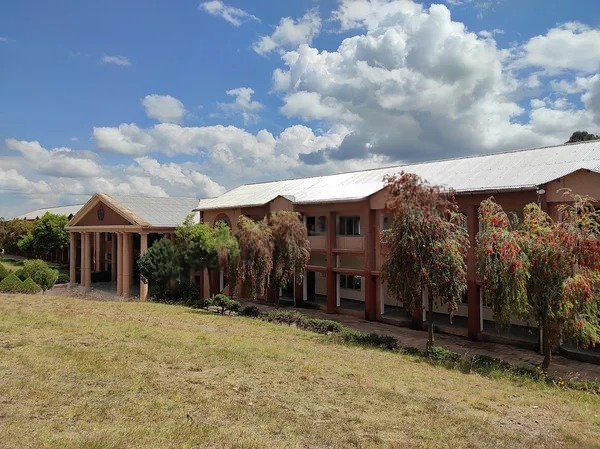
This is precisely the standard that one of the best CBSE boarding schools in India, Ashok Hall Girls' Residential School, has built its meal program around. Rather than treating food as a logistical box to tick, the school folds nutrition directly into its well-being framework, alongside its house system, mentor-mentee structure, and personal counselling support.
In practice, this means students are served four balanced meals a day, with fresh fruit and milk included consistently rather than occasionally, so that essential nutrients are part of the daily rhythm and not left to chance. The school follows a pure vegetarian kitchen, prepared with high-quality ingredients — a detail that matters to many families and gives parents a predictable, consistent standard to expect every day their daughter is on campus.
What stands out most, though, is the way the school handles the menu itself. Rather than deciding it entirely behind closed doors, Ashok Hall plans the monthly menu collaboratively with students, turning what could be a passive routine into an exercise in ownership, creativity, and teamwork. Girls get a say in what they eat, which naturally makes them more invested in eating well, which becomes a small structural choice that quietly reinforces the exact lifelong habit most parents hope a school will instill.
For a family sending their daughter into a residential environment, that combination is often the difference between food being just another item on a prospectus and food being something a school has genuinely thought through.
To know more about Boarding schools in India, click on the link below
 as a preferred source on