







When parents search for the best schools in Bangalore, they usually look for things like the curriculum, results, infrastructure, facilities, and the way they teach. These are important, but there is another part of school life that they usually ignore. What does a child actually get to do during those years- the exposure, the actual real-life learning?
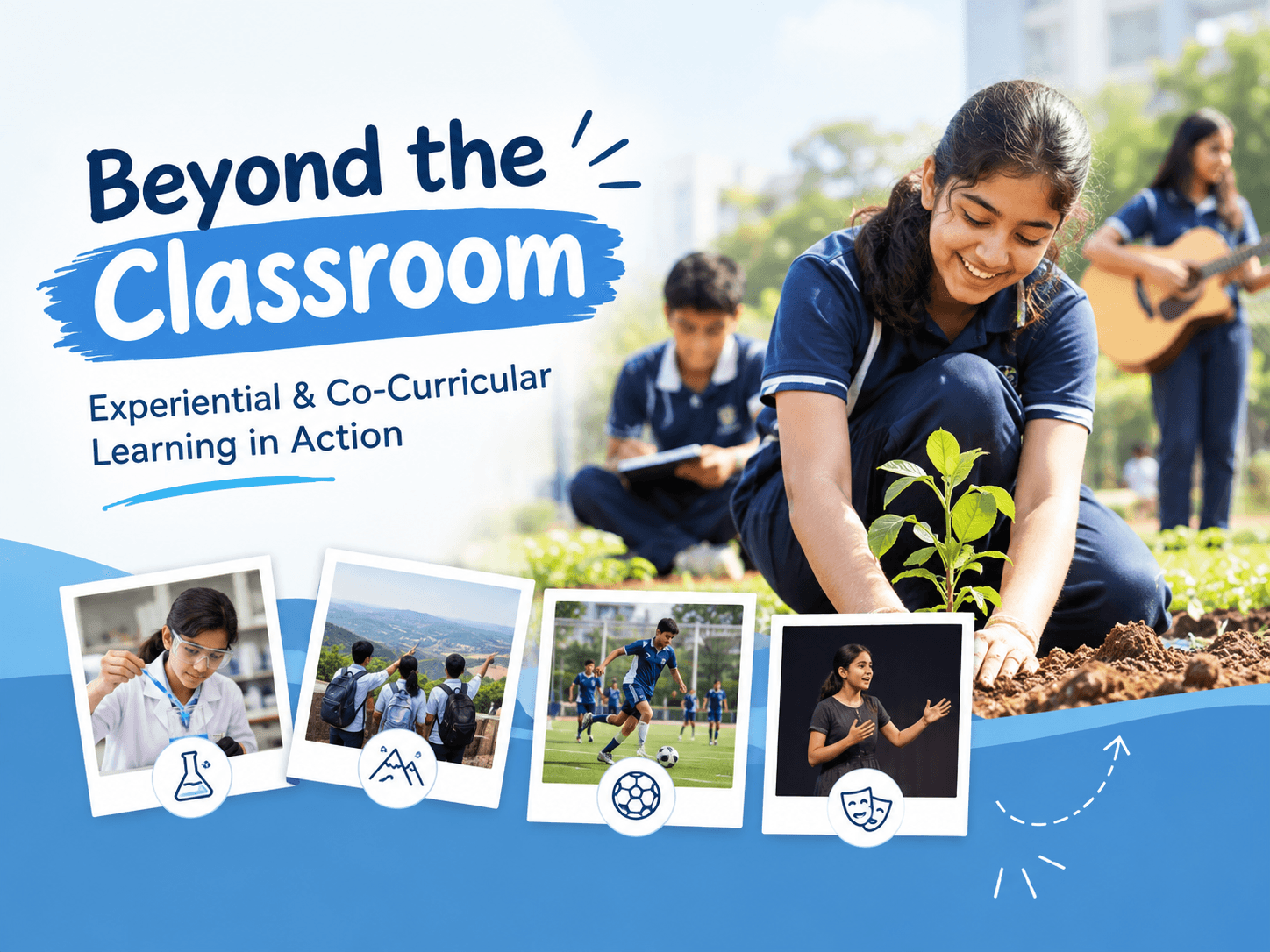
A child may learn about plants from a science textbook, but watching a seed grow, looking after it, and noticing changes over several days can make that lesson far more memorable. The same thing happens when a student takes part in a debate instead of simply reading about communication skills, or plays a team sport and has to figure out how to work with classmates who think differently. The Paradise Academy takes this wider view of learning, giving students opportunities to learn through activities, sports, excursions and other co-curricular experiences.
Experiential Learning Makes Lessons Easier to Remember
John Dewey, one of the most influential thinkers in education, believed that children learn through experience and that education should always be connected with real life. His ideas are still relevant and play an important role in classrooms today.
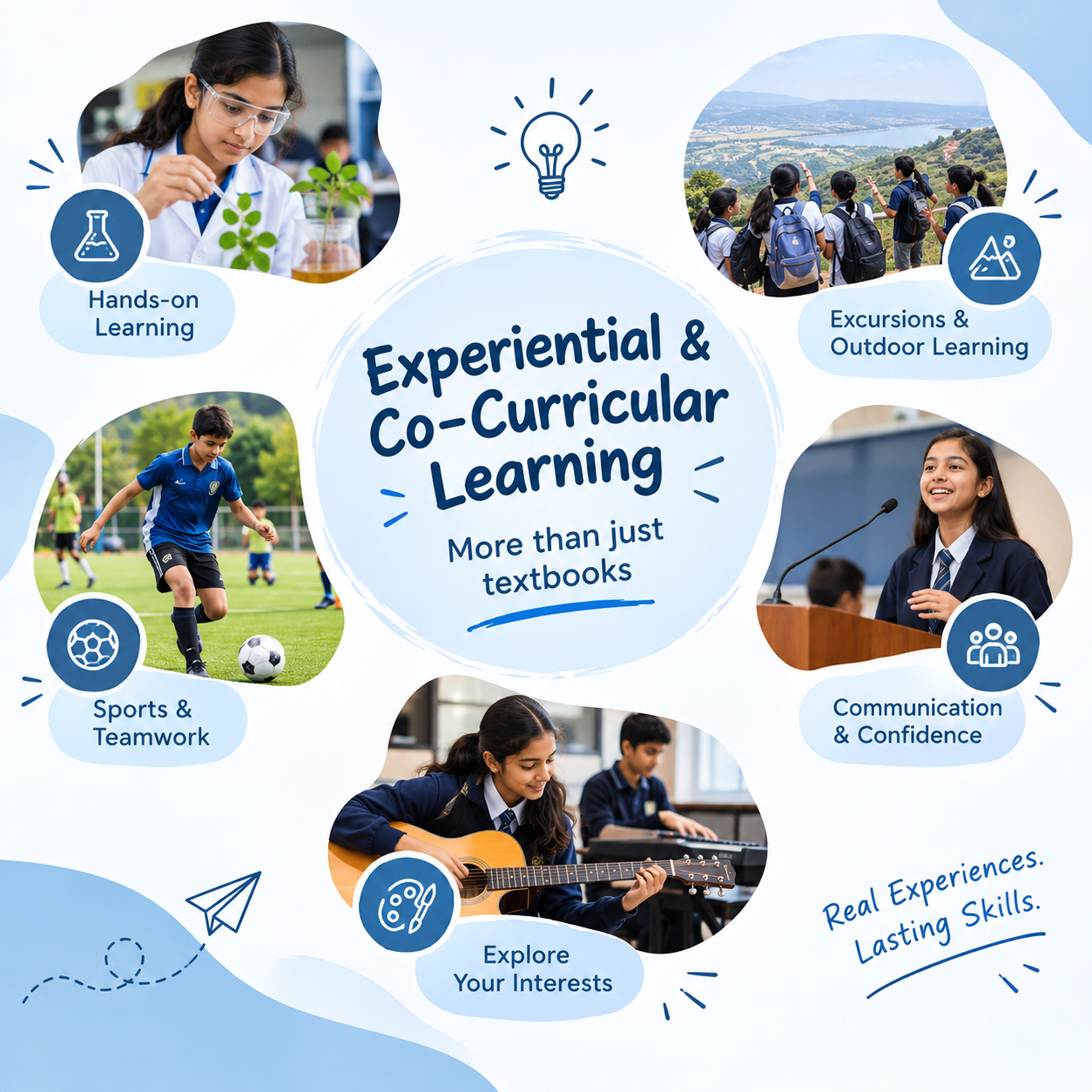
You can take a simple geography lesson. A student can memorise the names of rivers and cities for a test, but then what happens? They forget them within a few weeks. But if the class studies a particular place and then visits it, observes the surroundings, and gets curious about the answers to the questions running in their minds, and later discusses what they noticed, the information now belongs in their brain.
This is also close to David Kolb's idea of experiential learning. According to Kolb, experience is only one part of learning; children also need to reflect on what happened and make sense of it. For example, if students work on a group activity and the first attempt does not go well, the useful learning may come afterwards. They can discuss why the task failed, change their approach, and try again.
This is why activities such as educational excursions and hands-on projects can have value beyond simply giving students a break from their usual timetable. The experience gives them something to think about when they return to the classroom.
Co-Curricular Activities Give Children Different Ways to Learn
Not every child shows their strengths in the same way. A student who rarely volunteers an answer in class may become confident when performing on stage. Another who finds written assignments difficult may enjoy building something, participating in a sport or working on a practical project.
Howard Gardner's theory of multiple intelligences is useful here. His work questioned the idea that intelligence can be understood through one narrow measure. Children can demonstrate strengths in areas such as language, movement, music, spatial thinking and relationships with others.
A school debate is a good example. The student speaking may learn how to organise an argument, but the experience also requires listening carefully to another person and responding without simply repeating what was prepared at home. Similarly, team sports can teach children that being good individually is not always enough. They have to pass, communicate, and adjust when the original plan does not work.
These are not separate from education. They are skills children will continue to use outside school.
What Children Learn When Things Do Not Go as Planned
Some of the most useful learning happens when an activity does not produce the expected result.
Suppose a group of students is working on a project and two members have different ideas about how to complete it. The teacher can simply step in and decide what they should do. But if students are encouraged to discuss the disagreement and arrive at a solution themselves, they practise something that cannot be learnt properly by memorising a definition of “teamwork.”
This connects with the constructivist approach to education associated with thinkers such as Jean Piaget and Lev Vygotsky. The basic idea is that children build understanding through interaction, experience and problem-solving rather than simply receiving information.
A science experiment that does not give the expected result can therefore be useful. Students have to ask what happened, check their method, and consider whether their original assumption was wrong. There is no need to treat every mistake as a failure; sometimes the mistake is the part that makes the lesson stick.
Bringing Learning Outside the Textbook
Experiential learning does not always require a special laboratory, a large project, or an expensive field trip. It can happen through ordinary school activities when teachers connect them to what students are learning.
A mathematics lesson could involve measuring an actual space rather than only solving measurements on paper. A language class could involve interviewing a classmate and turning the conversation into a written profile. Students learning about the environment could observe the plants around their campus instead of only looking at diagrams in a book.
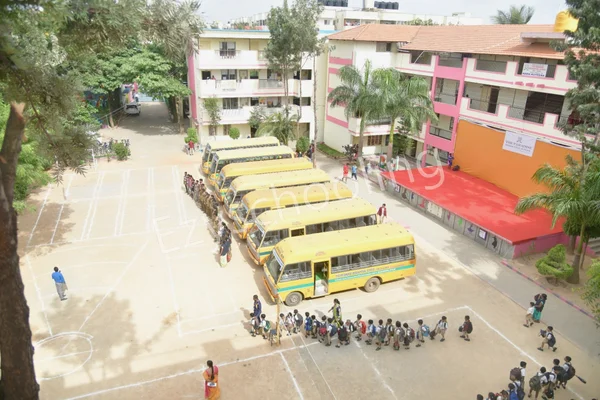
The Paradise Academy, Electronic City, Bangalore, places emphasis on this broader experience of school through educational excursions, sports, outdoor activities, digital learning, and co-curricular opportunities. Its activity-based approach gives students opportunities to participate rather than keeping learning limited to textbooks and classroom explanations. This also allows different children to find different areas in which they feel comfortable, curious, and willing to take part.
Also Read: Are Digital Tools Really Necessary in Modern Education?
Conclusion
Experiential and co-curricular learning do not mean that academics become less important. They give academic learning somewhere to connect with real life. A child who measures something, performs in front of others, works through a disagreement, observes nature, or tries an activity more than once is learning in a way that a worksheet alone cannot provide.
That is the larger role these experiences can play in school education. They give children room to try things, make mistakes, discover interests, and understand why what they learn in class matters outside it. At The Paradise Academy, one of the schools in Bangalore, the inclusion of activities, sports, excursions, and hands-on experiences reflects this idea of making school a place where children learn not only by listening and reading, but also by participating.
Want to know more about this school and others in the nearby area
 as a preferred source on